Vietnam's Ethnic Minorities Leverage Cultural Heritage for Economic Revitalization
Culture
2026年6月29日
5
Nhan Dan

Vietnam's Ethnic Minorities Leverage Cultural Heritage for Economic Revitalization

AI サマリー

Ethnic minority communities in northern Vietnam are transforming their unique cultural heritage, including landscapes, traditional crafts, and daily customs, into tourism assets. This initiative aims to stimulate economic growth and preserve cultural identity, empowering local residents to become active promoters of their cultures and pursue sustainable development.

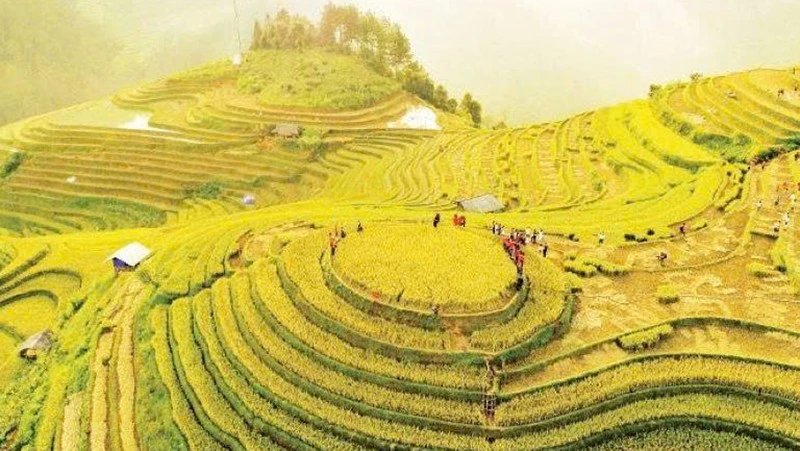
Ethnic minority communities in Vietnam's northern highlands are actively leveraging their rich natural landscapes, traditional livelihoods, and daily customs as tourism assets, aiming to achieve economic revitalization and cultural preservation simultaneously. These communities increasingly recognize their cultural heritage as the foundation for unique local experiences and attractions. In Mu Cang Chai district, Lao Cai province, Mr. Giang A De of the H'mong ethnic group operates a homestay offering experiences tied to the iconic terraced rice fields and local community life. He explains that the terraced fields are the result of generations of labor, with the "raspberry hills" symbolizing abundance, happiness, and the hope for new beginnings. Sharing this knowledge allows tourists to understand H'mong agricultural practices and their adaptation to natural conditions, revealing how these majestic landscapes were created. This approach helps local residents transform their cultural heritage into tourism products and experiences, enhancing the distinct appeal of their localities. A deep understanding of traditional culture empowers community members to confidently take the lead in tourism development and actively promote their hometowns. In Ta Van village, within the Muong Hoa valley of Sa Pa, H'mong, Giay, and Dao ethnic groups coexist, with their terraced fields and diverse living spaces creating unique attractions. Ms. Phan Thi Hen, a Giay ethnic woman who runs a souvenir shop, emphasizes that tourists visit Sa Pa to experience the daily lives of local people, thus tourism products must originate from community life. She incorporates traditional Giay textiles into modern fashion, meticulously explaining the meaning of each pattern and the value of her souvenirs, which serve as a bridge connecting local life with tourists. Similarly, in Da Bac district, Phu Tho province, local wisdom is integrated into tourism activities. Homestays and farmstays are built with traditional architectural styles and natural materials, preserving their rustic ambiance. Visitors can participate in indigo dyeing, paper making, embroidery, and cooking with locals, learning about regional customs. Ms. Ly Thi Nhat of the Dao Tien ethnic group, at her Liêu Farmstay, utilizes Dao cultural values, applying traditional techniques like indigo dyeing and batik to crafts and experiential activities. This allows residents to preserve their traditional crafts while conveying their way of life, fostering a deeper understanding of local culture among tourists. By integrating local knowledge, living customs, and cultural values into tourism, northern highland ethnic communities are transitioning from merely participating in service provision to becoming active creators and designers of experiential tourism products. They are gaining confidence in sharing their own cultural narratives, opening new opportunities for local economic development. This process enhances their service skills, foreign language proficiency, and organizational capabilities, promoting the development of professional and sustainable tourism models grounded in local culture. Source: Nhan Dan

多角的分析

経済的影響

ベトナム政府は、地方経済の活性化と貧困削減のため、地域固有の文化遺産を活用した観光開発を推進している。特に少数民族地域では、伝統的な生業や生活様式を体験できる観光商品が開発されており、これが地域住民の新たな収入源となっている。棚田、伝統工芸品、民族衣装、祭事などが観光客の関心を引き、地域経済への直接的な波及効果を生み出している。これは、単なるサービス提供から、地域住民が主体となって文化を商品化し、付加価値を高めることで、より持続的な経済成長を目指す戦略と言える。例えば、ムカンチャイの棚田はユネスコ世界遺産候補にもなっており、その景観価値が経済的利益に直結する典型例である。

投資家心理

ベトナムの観光セクター、特にエコツーリズムや文化ツーリズムに関心を持つ投資家にとって、少数民族コミュニティの取り組みは有望な機会を提供する。地域住民が主体的に観光資源を開発・管理するモデルは、地域社会との連携が強く、事業の持続可能性が高いと見なされる可能性がある。投資家は、地域住民とのパートナーシップを通じて、ユニークな体験型観光商品を開発し、国内外の観光客を惹きつけることができる。ただし、インフラ整備の遅れや、文化保全と商業化のバランス、地域社会への利益還元といった課題を考慮する必要がある。近年、ベトナム政府は外国投資を奨励しており、小規模な農家や地域コミュニティが運営するホームステイやファームステイへの投資も増加傾向にある。

社会的影響

この取り組みは、ベトナムの少数民族コミュニティにとって、文化の維持・継承と経済的自立を同時に実現する重要な機会となっている。地域住民は、自らの伝統や生活様式が尊重され、観光客に評価されることで、文化への誇りを再認識している。例えば、タヴァン村のザイ族女性たちが、伝統的なテキスタイルに現代的なデザインを取り入れ、それを説明する活動は、単なる商品販売に留まらず、文化交流の場となっている。これにより、若い世代も伝統技術や文化に関心を持つようになり、コミュニティ全体の活性化に繋がっている。一方で、観光客の増加に伴う環境への負荷や、地域文化の商業化による変容、そして観光収入の公平な分配といった課題も生じうる。

市民の声

ベトナムの市民、特に少数民族コミュニティに属する人々にとって、この取り組みは生活の質向上と文化への誇りを高める機会となっている。例えば、ムカンチャイのジャング・ア・デー氏のような地域住民は、自らがホストとなり、国内外からの訪問者に地域の魅力を伝えることで、新たな収入を得ている。これは、都市部への人口流出を抑制し、地方に活気をもたらす効果も期待できる。また、タヴァン村のパン・ティ・ヘンさんのように、伝統工芸を現代的な商品に発展させることで、若い世代が伝統技術を継承し、新たな雇用を生み出すきっかけとなっている。これは、地域社会における連帯感を強め、持続可能な地域社会の構築に貢献している。

背景・歴史的文脈

ベトナムは、54の民族が暮らす多民族国家であり、特に北部山岳地帯には多くの少数民族が居住している。これらの地域は、経済的に立ち遅れている場合が多く、政府は長年、貧困削減と地域開発に取り組んできた。1986年のドイモイ(刷新)政策以降、市場経済化が進む中で、観光業は新たな経済成長の柱として位置づけられた。特に、2000年代以降、ベトナム政府は地域固有の文化遺産を活かした「文化ツーリズム」や「エコツーリズム」を推進する方針を強化。少数民族コミュニティが主体的に観光開発に関わることで、地域経済の活性化、文化の保存・継承、そして民族間の調和を図ることを目指している。本記事で紹介されているムカンチャイやタヴァン、ダーバックなどの事例は、こうした政府の方針が具体的に地域で展開されている状況を示している。

原文ソース

Nhan Dan

原文を読む