Sara Duterte's Unopened Tax Box Highlights Philippine Secrecy Laws
Economy
2026年7月15日
5
Rappler Business

Sara Duterte's Unopened Tax Box Highlights Philippine Secrecy Laws

AI サマリー

A sealed green box containing tax records of Vice President Sara Duterte, her husband, and associated businesses has become a focal point in impeachment proceedings, highlighting the challenges posed by Philippine tax secrecy laws in uncovering potential corruption.

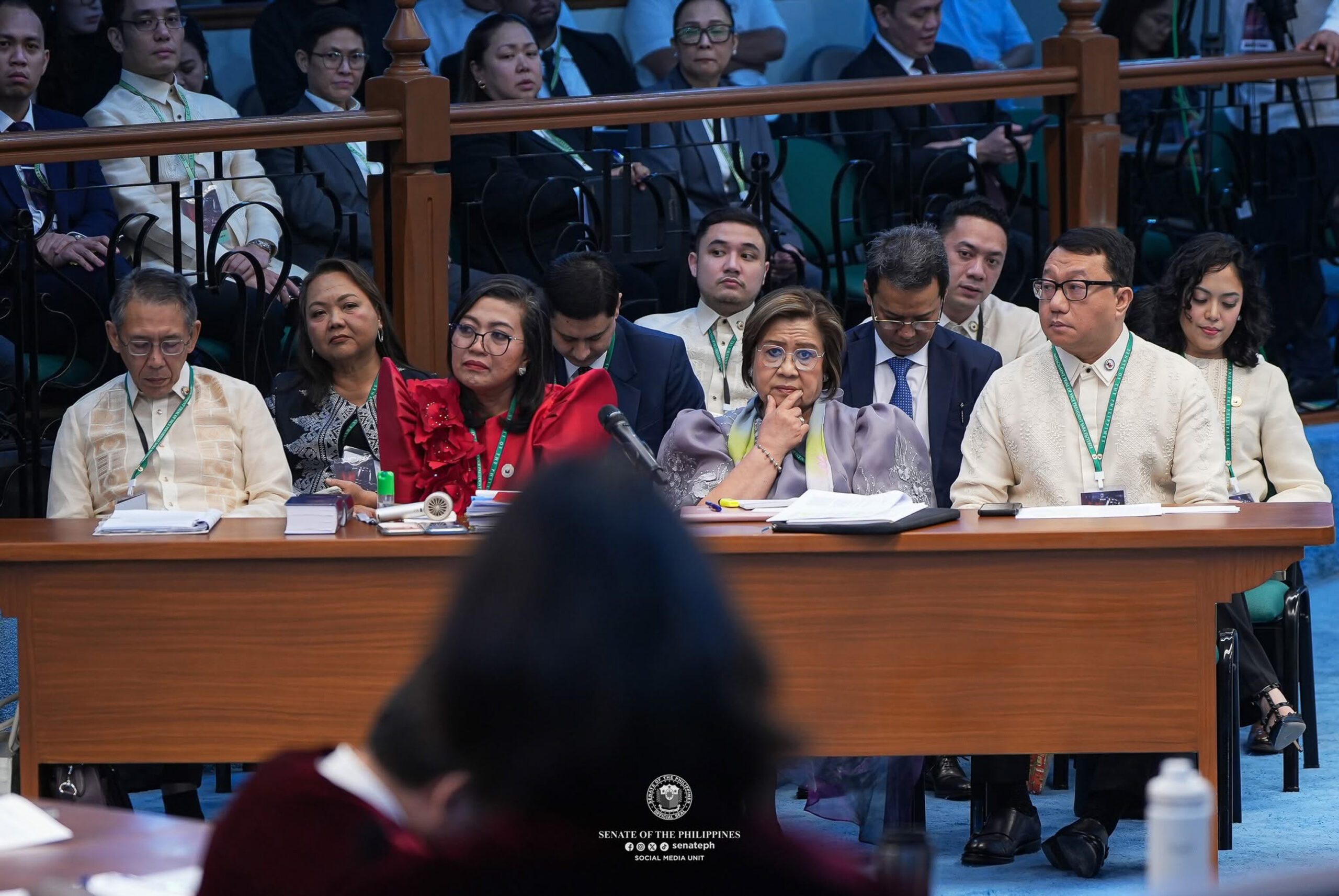
MANILA, Philippines – A sealed green box has traveled from the Bureau of Internal Revenue (BIR) to the House of Representatives, on to the Senate, and then back to the BIR without anyone opening it. Inside are the tax records of Vice President Sara Duterte, her husband Manases Carpio, and businesses and individuals linked to them. House prosecutors believe the documents could help determine whether the couple’s reported income is commensurate to their assets and wealth. That question is central to the second article of impeachment, which accuses Duterte of accumulating wealth disproportionate to her lawful income and failing to disclose assets, liabilities, and business interests properly. However, Philippine tax secrecy laws make it exceedingly difficult to obtain and disclose records, even when they may be relevant to allegations of corruption involving one of the country’s highest officials. The BIR first submitted the box to the House justice committee in April, complying with a subpoena issued during its impeachment inquiry. However, BIR Commissioner Charlito Martin Mendoza warned lawmakers that opening the records publicly could expose revenue officials to criminal liability. The House ultimately voted to keep the box sealed and included it in the impeachment records transmitted to the Senate. When Duterte’s trial opened on July 6, impeachment court presiding officer Senator Francis Escudero ordered the records returned to the BIR, still unopened. He explained that the Senate had not issued the order under which the box was originally produced and was therefore not yet in legal custody of the documents. This return doesn’t necessarily shut the door on the tax records. House prosecutors have asked the Senate impeachment court to issue its own subpoena covering Duterte, Carpio, and their businesses. Oral arguments on the request, together with subpoenas for bank records, are scheduled for Wednesday, July 15. Must Read Prosecutors justify Sara Duterte bank records request as ‘unedited truth’ Why the BIR is so cautious The National Internal Revenue Code (NIRC) establishes taxpayer confidentiality as the general rule, although it doesn’t make tax records absolutely privileged in every legal proceeding. Section 270 penalizes BIR officers and employees who disclose information about a taxpayer’s income, estate, business, operations, trade secrets, or other confidential business information other than in a manner provided by law. Violators face a fine of P50,000 to P100,000, imprisonment of two to five years, or both. That creates a strong incentive for individual BIR officials to demand an unmistakably clear legal basis before allowing taxpayer records to be inspected or disclosed. “The NIRC establishes taxpayer confidentiality as the general rule,” global tax policy expert Mon Abrea told Rappler. “Section 270 penalizes unauthorized disclosure by BIR officials, creating a strong legal incentive to protect taxpayer information.” The law nevertheless recognizes routes through which information may be released. Under Section 20, the BIR commissioner must provide pertinent tax information when requested by Congress in aid of legislation. Identifiable taxpayer information must generally be examined in executive session unless the taxpayer consents in writing. Sara Duterte camp OK with opening BIR box, but only in confidential session Abrea pointed to the Senate blue ribbon investigation into Pharmally Pharmaceutical Corporation, where confidential taxpayer information was handled through executive sessions. But the complication in Duterte’s case is that impeachment isn’t an ordinary legislative inquiry. The Senate is exercising a separate constitutional power to try impeached officials. Despite the BIR’s caution, their hands are not completely tied, but there’s still some legal gray area on what kind of information exactly the agency can provide during an impeachment proceeding, according to Abrea. “The Tax Code does not expressly include impeachment as an exception, so the interaction between taxpayer confidentiality and the constitutional powers of an impeachment court remains a legitimate legal question,” he said. Could the BIR investigate Sara separately? However, the fight over whether Congress can open up Duterte’s records might not be the only question we should be asking. In other words, perhaps the BIR itself should investigate possible tax violations. Impeachment determines whether a public official should be removed from office. A BIR investigation, meanwhile, would determine whether the correct taxes were declared and paid. Tax returns can’t prove corruption on their own. But they do show reported taxable income and may help test whether a taxpayer appeared financially capable of accumulating certain assets. Note that a person may also have legitimate sources of funds that aren’t reflected as ordinary taxable income, including loans, inheritance, gifts, proceeds from selling property, previously accumulated savings, and certain tax-exempt or final-taxed income. But Abrea said a significant mismatch between declared income and apparent wealth could justify an independent tax audit rather than leaving the matter entirely to impeachment prosecutors. “If there is credible evidence of unexplained wealth or possible tax evasion, the proper course is for the BIR to conduct an independent tax audit and assessment, while Congress or an impeachment court may corroborate relevant evidence through constitutionally authorized processes, including executive sessions where appropriate,” he told Rappler. Last April 28, the BIR launched an audit probe into the tax records of the Vice President and her husband. BIR launches audit probe into Sara Duterte, Mans Carpio’s tax records In an audit, Duterte or any other taxpayer would have an opportunity to document the legitimate source of questioned assets or funds. If the explanation and supporting records were insufficient, the BIR could assess deficiency taxes and, where evidence warrants, pursue a criminal tax-evasion case. “The BIR should do its own investigation and not wait for the impeachment trial, kasi unexplained wealth cases under plunder or graft and corruption are harder to prosecute. Unlike under the Tax Code, if you cannot explain it — meaning, it is not reflected in your tax return — that is prima facie evidence of tax evasion, and a full tax fraud audit must be conducted to determine whether a tax evasion case should be filed against VP Sara or any other allegedly corrupt politician,” he said. Abrea argued that this route may sometimes be more practical than proving plunder or graft because tax enforcement focuses on whether income was properly declared and taxed, rather than requiring prosecutors to prove that particular assets came from a corrupt transaction. “Whether it’s VP Sara, Marcoleta, or any other politician, regardless of political affiliation, it’s often harder

多角的分析

経済的影響

フィリピンの税務情報秘匿法は、汚職疑惑の調査における透明性を著しく阻害している。これは、投資家や国際機関がフィリピンのガバナンスと法の執行に対する信頼を低下させる要因となり得る。税務情報の開示が限定的であることは、経済活動におけるリスク評価を困難にし、潜在的な不正行為の隠蔽を助長する可能性がある。本来、適正な税務申告と納税は健全な経済の基盤であり、それが疑われる状況は、国内外からの投資を敬遠させる要因となりうる。

投資家心理

投資家にとって、税務情報の不透明性は、フィリピンにおけるビジネスリスクを増大させる要因となる。特に、公職に就く人物の資産や所得に関する情報が秘匿されることは、市場の公平性や透明性に対する懸念を生じさせる。これは、外国直接投資(FDI)の誘致や、既存投資家の信頼維持においてマイナスに働く可能性がある。透明性の欠如は、予期せぬ法的・規制上のリスクにつながる恐れがあり、投資判断において慎重さを要求する。

社会的影響

税務記録の秘匿は、国民が公職者の説明責任を追及する権利を制限する。サラ・ドゥテルテ副大統領のケースのように、弾劾調査で税務記録が開示されないことは、国民の間に不信感や不公平感を募らせる可能性がある。特に、一般市民が税務当局からの厳しい監視を受ける一方で、高官の税務情報が容易に開示されないという状況は、社会的な格差や権力の濫用に対する懸念を増幅させる。これは、公共の利益と個人のプライバシー保護のバランスが、後者に大きく傾いていることを示唆している。

市民の声

市民の視点からは、税務記録の秘匿は、公職者の説明責任を果たす機会を奪うものである。副大統領のような高官の申告所得と資産の不一致が疑われる状況で、その税務記録が開示されないことは、市民の知る権利を侵害し、不正や腐敗が隠蔽されるのではないかという不安を抱かせる。特に、マニラ首都圏のような都市部では、物価の高騰や生活費の増加に苦しむ人々が多く、公職者の資産形成に関する透明性は、彼らの生活実感と直結する問題となる。税務当局の過度な慎重さは、市民が不正を訴え、公正な社会を求める声を封じ込める結果になりかねない。

背景・歴史的文脈

フィリピンにおける税務情報秘匿の歴史は、国民のプライバシー保護と、汚職防止のための透明性確保との間で常に緊張関係にある。内国歳入法(NIRC)は、納税者の情報開示を制限する条項を設けており、これはBIR職員に情報漏洩に対する刑事罰の可能性を課している。過去にも、高官の資産開示義務違反や汚職疑惑に関連して、情報開示の是非が問われるケースがあった。特に、弾劾手続きのような憲法上の権限が関わる場合、税法との抵触が問題となることは珍しくない。今回のサラ・ドゥテルテ副大統領のケースは、この長年の課題が再び表面化した形と言える。

原文ソース

Rappler Business

原文を読む