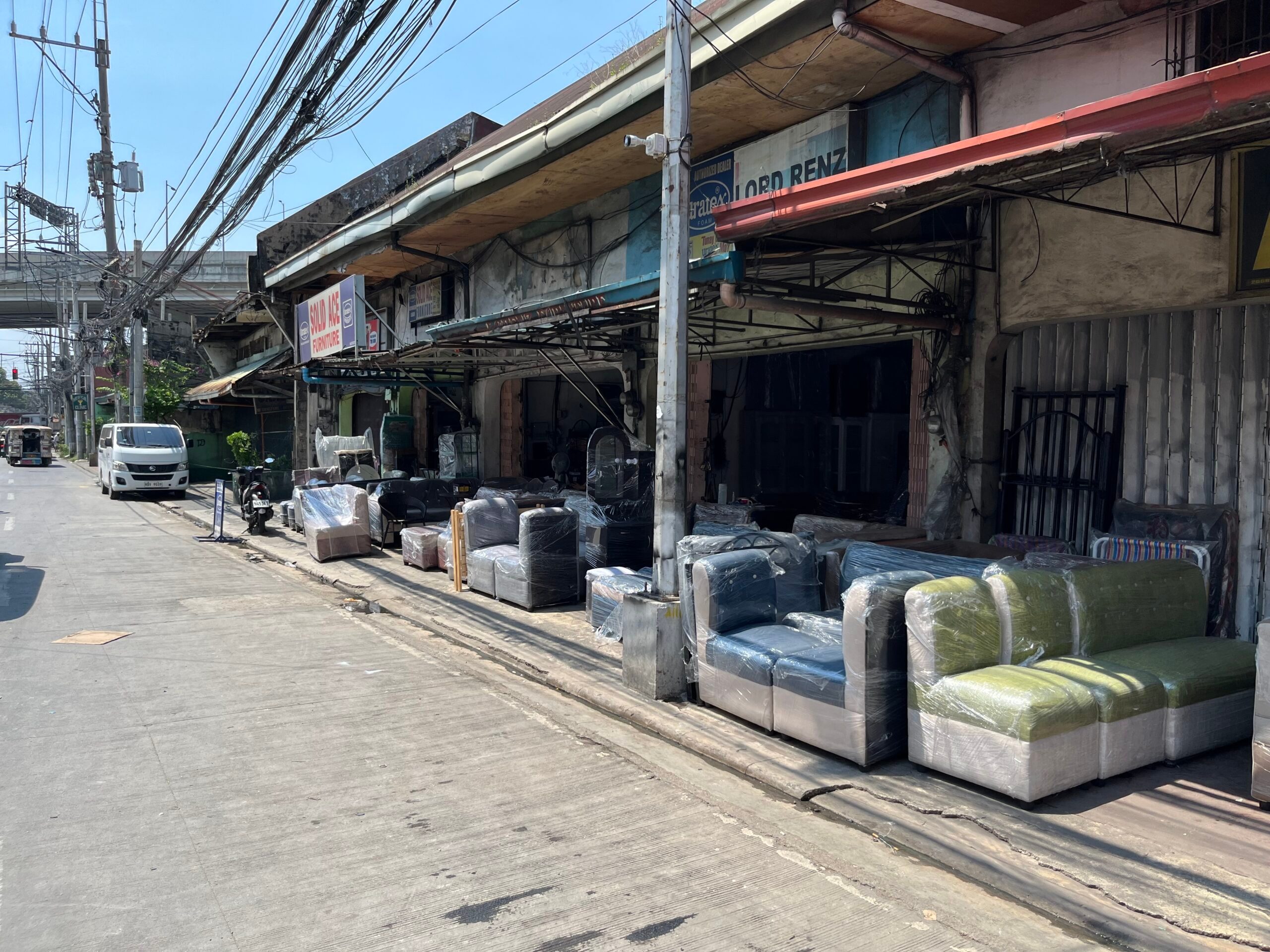
Caloocan Furniture Makers Strive to Sustain Traditional Craft
Furniture makers in Maypajo, Caloocan City, Metro Manila, are struggling to sustain their decades-old craft amidst declining sales due to the COVID-19 pandemic and the rise of online shopping. Many express concerns about the industry's future, encouraging their children to pursue more stable careers.
This article requires PRO
This article is outside the free access window or is a special report. PRO unlocks it and the full archive.
Related articles
- House OKs Bill Banning Social Media for Children Under 13
The Philippine House of Representatives has passed a bill on its second reading that prohibits children aged 13 and below from creating social media accounts and restricts access for those under 18, aligning with global efforts to shield minors from online harms.
- Matibag: Tupas, Not NBI, Raised Life Threat Allegations
National Bureau of Investigation (NBI) Director Melvin Matibag asserted that former Davao City chief information officer Jefry Tupas himself brought up threats to his life, refuting Tupas' claim that the NBI "initiated efforts" regarding the matter. Matibag emphasized that Tupas provided the information about the threats to the NBI.
- PTFoMS Welcomes Conviction of 2 in Broadcaster Ed Dizon Murder
The Presidential Task Force on Media Security (PTFoMS) welcomed the conviction of two individuals for the 2019 murder of broadcaster Eduardo “Ed” Dizon, calling the ruling a significant step toward justice and media safety.
- Sara Duterte: Gracioso Paid to Destroy Her Reputation
Vice President Sara Duterte on Tuesday branded dismissed policeman Rudolfo Gracioso as someone "paid" to destroy her reputation, suggesting his actions stemmed from a personal financial dispute with former House Speaker Lord Allan Velasco.