Zambales Establishes Two New Marine Protected Areas to Bolster Biodiversity
Zambales province in the Philippines has established two new marine protected areas (MPAs) to conserve marine biodiversity and promote sustainable fisheries. This expansion strengthens the province's Marine Protected Area Network (ZAMPAN).
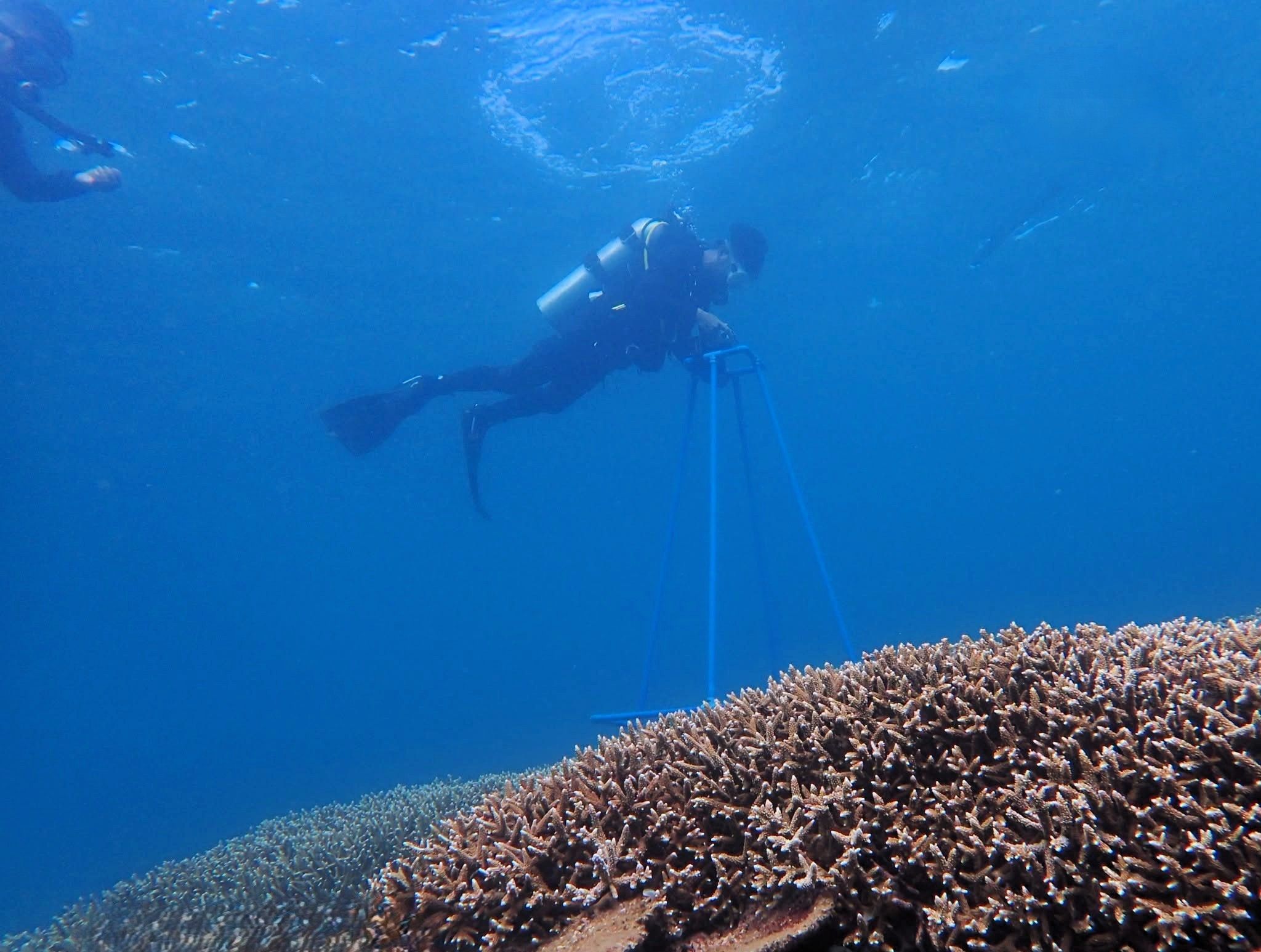
IBA, Zambales — Two new marine protected areas (MPAs) have officially been added under the Zambales Marine Protected Area Network (ZAMPAN), expanding coordinated efforts to conserve marine biodiversity and promote sustainable fisheries in the province. The Calanga Reef Marine Protected Area in the capital town of Iba and the Rabaw-ti-Bato Marine Protected Area in San Narciso made it to the biodiversity network early this month through ZAMPAN Resolution No. 1, Series of 2026, issued by Gov. Hermogenes Ebdane. Marife Castillo, head of the Department of Environment and Natural Resources (DENR) office in Zambales, said the two reef areas were endorsed for inclusion because of their ecological importance as marine ecosystems for breeding, spawning, nursery and feeding grounds for various sea species. Calanga Reef, which spans roughly 40 hectares, contains a live hard coral cover of close to 49 percent, while Rabaw-ti-Bato, which means “top of the corals” in local dialect, is historically considered a fish spawning ground. "Protecting these areas as part of a larger network strengthens habitat connectivity, improves ecosystem resilience and supports coordinated management of coastal resources across municipalities," Castillo said. Zambales, which has an extensive coastline of more than 232 kilometers, already hosts the Masinloc and Oyon Bay Protected Landscape and Seascape (MOBPLS), which covers more than 7,500 hectares of marine waters, mangroves and corals between the towns of Masinloc and Palauig. Under the ZAMPAN declaration, both the Calanga Reef and Rabaw-ti-Bato MPAs will have core sanctuary zones to be preserved as dedicated breeding, spawning and fish-nursery grounds. These will be “no-take zones” where all extractive and destructive activities like fishing, gathering of shells or any marine life, as well as vessel access for both motorized and non-motorizes boats are prohibited. Diving or swimming is also restricted unless authorized for scientific purposes. The buffer zones ringing the core sanctuaries, meanwhile, are declared to be areas only for regulated activities: local fishing using only traditional, passive gears like hook and line; and recreational diving, snorkeling, and sightseeing under a strict “look but don’t touch” policy. Boats entering the buffer may only latch onto designated permanent mooring buoys instead of dropping anchors. Castilo said establishing two more MPAs in Zambales will further strengthen habitat connectivity, improve ecosystem resilience, and support coordinated management of coastal resources across municipalities. ZAMPAN, which was established through a memorandum of understanding in 2013, serves as a collaborative platform for marine conservation and coastal resource management in the province. The network includes the DENR, Bureau of Fisheries and Aquatic Resources, Department of the Interior and Local Government, Provincial Government of Zambales, and the local government units of 11 coastal towns: Sta. Cruz, Candelaria, Masinloc, Palauig, Iba, Botolan, Cabangan, San Felipe, San Narciso and Subic.
多角的分析
海洋保護区の設置は、長期的に見れば漁業資源の回復を通じて持続可能な漁業を促進し、地域経済の安定に寄与する可能性がある。しかし、短期的には漁業活動の制限により、一部の漁民の生計に影響が出ることも考えられる。また、保護区の管理・監視には継続的な予算が必要となり、地域経済への負担となる可能性もある。一方で、エコツーリズムの潜在的な発展は新たな収益源となり得る。
投資家にとって、このニュースは直接的な投資機会を示すものではない。しかし、フィリピンにおける環境保全への取り組み強化は、ESG(環境・社会・ガバナンス)投資の観点からポジティブに捉えられる可能性がある。特に、持続可能な漁業や海洋資源管理に関連する企業への投資は、長期的な安定性と社会貢献の両立を目指す投資家にとって魅力的となり得る。ただし、保護区管理の資金調達や実効性には不透明感も残る。
サンバレス州の沿岸コミュニティ、特に漁業に依存する住民にとって、新たな海洋保護区の設置は生活様式に直接的な影響を与える。禁漁区の設定は、伝統的な漁場へのアクセスを制限し、一時的な収入減を招く可能性がある。一方で、長期的な漁業資源の回復は、将来世代の食料安全保障と生計維持に貢献すると期待される。地域住民の理解と協力なしには、保護区の成功は難しく、住民への影響を緩和するための支援策が求められる。
サンバレス州の市民、特に沿岸地域に住む人々は、海洋資源の持続可能性に対する意識の高まりを実感するだろう。禁漁区の設定は、日々の漁業活動に直接的な影響を与えるため、一部では不満の声も上がる可能性がある。しかし、長期的には豊かな海の恵みが将来世代に引き継がれるという期待感もある。また、保護区の設置は、地域のエコツーリズムの可能性を高め、新たな観光客の誘致につながることも期待される。市民の理解と積極的な協力が、この取り組みの成功の鍵となる。
背景・歴史的文脈
フィリピンは広大な海岸線と豊かな海洋資源を持つが、乱獲、違法漁業、海洋汚染といった課題に長年直面してきた。これに対し、フィリピン政府および地方自治体は、海洋保護区(MPA)の設定を通じて、海洋生態系の回復と持続可能な漁業の実現を目指してきた。Zambales Marine Protected Area Network (ZAMPAN) は、2013年に設立された州レベルの協力枠組みであり、複数の地方自治体と政府機関が連携して海洋資源の管理と保全に取り組んでいる。今回のカラガ礁とラバウ・ティ・バトのMPA追加は、このネットワークをさらに強化し、より広範な海洋生態系の保護を目指す最新の取り組みである。
原文ソース
Philstar Nation