Vietnam to Introduce Special Measures for Law Enforcement in Economy and Technology Sectors
Vietnam's National Assembly Standing Committee discussed a draft resolution on special measures for handling legal violations in the economic and technological sectors. The aim is to encourage innovation while ensuring strict law enforcement and protecting proactive officials.
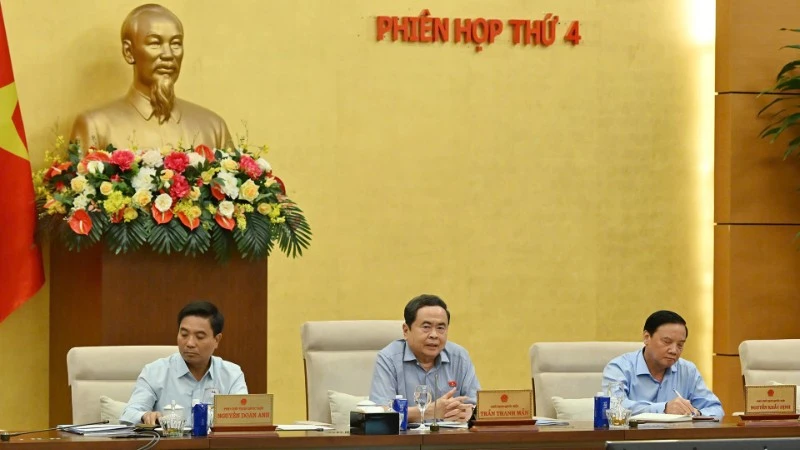
The National Assembly Standing Committee of Vietnam has discussed a draft resolution on special mechanisms and policies for handling legal violations related to the state economy, private economy, and the application of science and technology, innovation, and digital transformation. This initiative aims to institutionalize the Party's guidelines, provide a legal basis for processing violations in these critical sectors, and protect proactive officials. Minister of Public Security General Luong Tam Quang stated that the draft resolution is designed to create a legal framework that supports dynamic and creative officials, preventing corruption, waste, and negative practices. The resolution is built on the principle of "ensuring the strictness of the law, with no forbidden zones, no exceptions, being reasonable and logical, targeting the right individuals for the right violations, demonstrating humanity and leniency from the Party and State." It emphasizes objective and comprehensive evaluation of the violator's role, motive, purpose, specific historical context, consequences, remediation efforts, and political, economic, and social impacts for appropriate handling. The draft resolution comprises three chapters and 13 articles. It outlines special criminal handling policies, including non-prosecution, exemption from criminal liability for those facing risks or damages from applying science and technology, innovation, and digital transformation, temporary suspension of criminal prosecution, and exemption from criminal liability. Provisions for criminal procedural and execution procedures are also included to facilitate these policies. Phan Van Mai, Chairman of the Economic and Financial Committee, reported that a majority of members agreed on the necessity of issuing the resolution to promptly institutionalize the Party's viewpoints and address practical difficulties and obstacles. He noted that with certain related laws, particularly the Penal Code and Criminal Procedure Code, not yet being fully amended, special mechanisms are essential to resolve emerging issues. Regarding the scope of regulation, the committee generally agreed with the draft's purview but suggested a thorough review to clarify the content of each sector and avoid overly broad or inconsistent scope with specialized laws. The principle of strict enforcement without forbidden zones or exceptions was reiterated, along with the clear differentiation of criminal, administrative, and civil liabilities, and the responsibilities of legal entities and individuals. It was also stressed to separate the handling of liabilities from resolving difficulties and rectifying consequences for projects and constructions. Vice Chairman of the National Assembly Nguyen Hong Dien emphasized the need for the government to direct the drafting agencies and relevant bodies to thoroughly review and incorporate feedback from the Standing Committee members and the Economic and Financial Committee's preliminary review report. Special attention was drawn to the opinions of Chairman Tran Thanh Man and the conclusions of the session to finalize the draft resolution. Vice Chairman Dien also called for strengthening regulations to ensure control over power and prevent corruption and negative practices in law-making. He advised on refining the title, scope, and subjects of application to align with the Central Committee's directives and the resolution's substance. For special criminal policies, he urged meticulous review, particularly concerning non-prosecution, temporary suspension, and exemption from criminal liability, ensuring that only genuinely distinct provisions within the National Assembly's authority are included. He underscored the importance of creating a robust legal corridor to protect officials and employees who dare to think, act, innovate, and take responsibility for the common good, while ensuring accurate institutionalization of the Party's policies, full impact assessment, constitutionality, legality, feasibility, and rigorous implementation. Standardization of unclear concepts was also recommended to enhance transparency and ease of execution. Vice Chairman Dien further requested the refinement of criminal procedural regulations to concretize the special criminal policies in the draft, ensuring a strict, synchronized, and feasible procedural process aligned with the judicial system's resources and practical operations. He also called for reviewing and perfecting sanctions for legal violations to ensure strictness, objectivity, fairness, and proper authority, clearly distinguishing criminal from administrative and civil liabilities, and corporate from individual responsibilities. Source: Nhan Dan
多角的分析
この決議案は、ベトナム経済の成長を加速させるための重要な法的措置である。特に、科学技術、イノベーション、デジタル変革といった成長分野における法執行の明確化と、それに伴うリスク軽減は、国内および外国からの投資を促進する可能性がある。しかし、特別措置の適用範囲や基準が曖昧な場合、予期せぬ法的リスクを生じさせ、経済活動を抑制する可能性も否定できない。過去の事例では、経済改革の過程で、意欲的な政策が法的な不確実性によって頓挫したケースも存在する。
外国投資家にとって、この決議案は、ベトナムの法制度がイノベーションと経済成長を支援する方向へ進化していることを示すポジティブな兆候と捉えられる。特に、大胆な行動をとる幹部を保護する条項は、投資プロジェクトにおける意思決定の迅速化につながる可能性がある。しかし、法解釈の恣意性や、特別措置の適用が不透明な場合、投資リスクを高める要因となりうる。過去、ベトナムでの投資紛争において、法解釈の不一致が問題となった例もあり、透明性の確保が引き続き重要となる。
この決議案は、革新的な取り組みを行う公務員や技術者にとって、萎縮せずに大胆な行動をとることを奨励する側面がある。これにより、科学技術の応用やデジタル変革が加速し、国民生活の向上につながることが期待される。一方で、「禁区域や例外はない」という原則は、法執行の厳格化を意味し、意図しない法違反が生じた場合の厳罰化につながる可能性も示唆している。特に、地方の小規模事業者や、最新技術に不慣れな層にとっては、法適応の負担が増加する懸念も考えられる。
この決議案は、大胆な行動をとる幹部を保護する一方で、法執行の厳格化も示唆しており、一般市民にとっては、法律遵守の重要性が一層高まることを意味する。特に、デジタル変革やイノベーションの分野では、新しい技術やサービスが登場する中で、予期せぬ法的な問題に直面する可能性も出てくる。例えば、新しい決済システムやオンラインプラットフォームを利用する際に、現行法との間に齟齬が生じ、利用者が不利益を被るケースなどが考えられる。法執行の明確化と、市民への周知徹底が求められる。
背景・歴史的文脈
ベトナムは、1986年のドイモイ(刷新)政策以降、市場経済を導入し、急速な経済成長を遂げてきた。しかし、その過程で、法制度の整備が追いつかず、汚職や非効率性が問題視されてきた。特に、経済成長を牽引する分野において、大胆な政策実行が求められる一方で、法的なリスクを懸念して幹部が消極的になる「凍結現象」が指摘されている。今回の決議案は、こうした状況に対応し、イノベーションを促進しつつ、法の厳格な執行を確保しようとする党の意思表明である。過去には、経済特区などでの特別措置が試みられたが、その適用範囲や効果については、常に議論の対象となってきた。
原文ソース
Nhan Dan