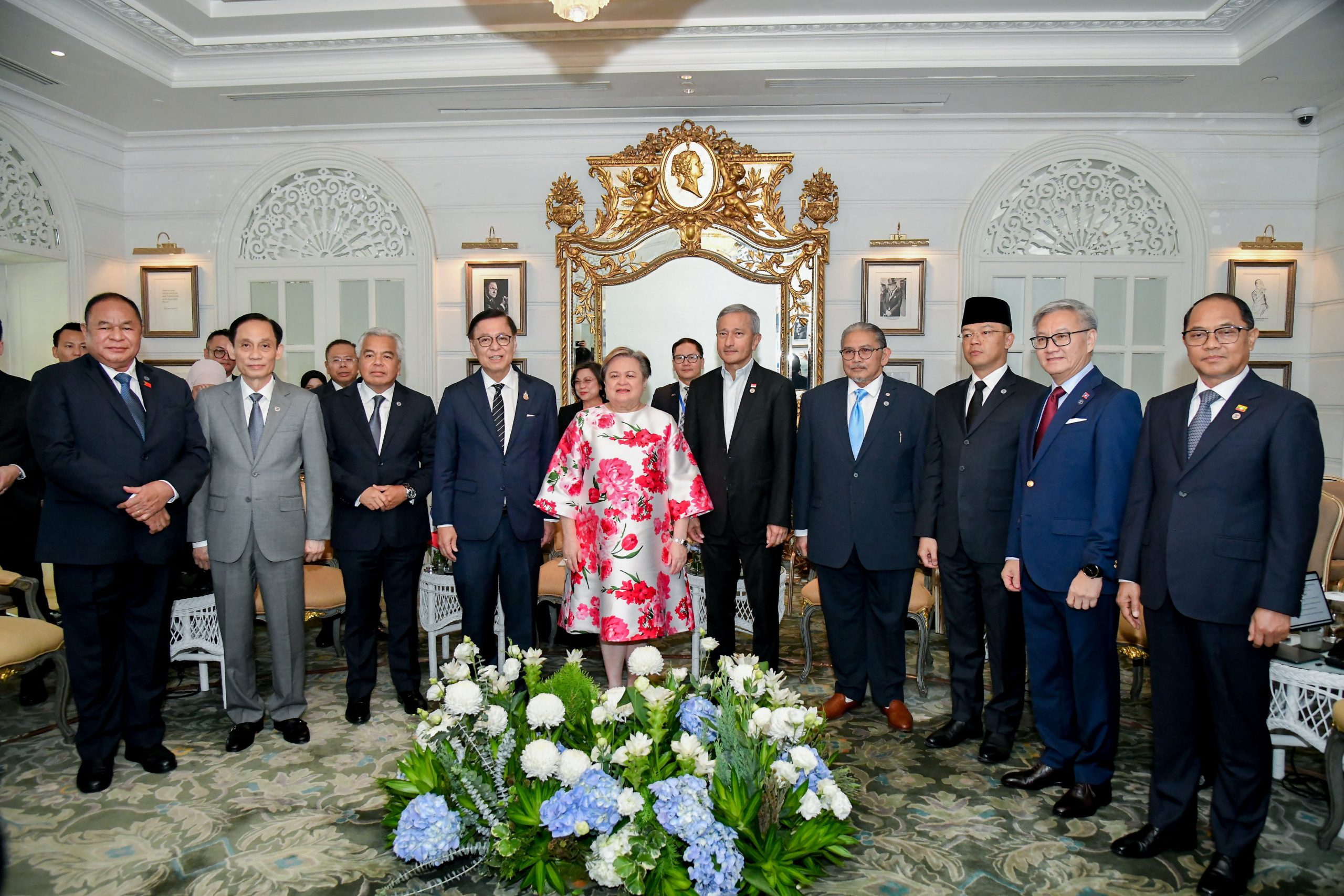
ASEAN Special Envoy meets with Myanmar armed groups after regime Foreign Minister
The Philippines’ Special Envoy on Myanmar, Ma. Theresa P. Lazaro, has held undisclosed talks with several of Myanmar’s Ethnic Armed Organizations (EAOs) and the military regime’s peacemaking body. The meetings, held in T
The Philippines’ Special Envoy on Myanmar, Ma. Theresa P. Lazaro, has held undisclosed talks with several of Myanmar’s Ethnic Armed Organizations (EAOs) and the military regime’s peacemaking body. The meetings, held in Thailand, follow a highly controversial decision by the Association of Southeast Asian Nations (ASEAN) to break a five-year diplomatic freeze and re-engage directly with a senior regime official. Secret talks in Chon Buri On July 13, Lazaro—acting as the representative for the ASEAN 2026 Chair—met with delegates from the regime’s National Solidarity and Peacemaking Negotiation Committee (NSPNC) and various EAOs in Chon Buri, located 126 km (78 miles) southeast of Bangkok. She was joined by Thailand’s Foreign Minister Sihasak Phuangketkeow. While neither official publicly disclosed the participating groups, anonymous sources confirmed to DVB that delegates from several prominent armed organizations attended, including: Karen National Union (KNU) Karenni National Progressive Party (KNPP) Chin National Front (CNF) Restoration Council of Shan State (RCSS) New Mon State Party (NMSP) The KNU and CNF notably withdrew from the regime’s Nationwide Ceasefire Agreement (NCA) following the February 2021 military coup, while the KNPP has never signed the pact. Both the Restoration Council of Shan State (RCSS) and the New Mon State Party (NMSP) are pro-regime armed groups that abide by the NCA. Breaking the diplomatic freeze The Chon Buri talks occurred just one day after a polarizing informal summit in Bangkok. On July 12, 10 ASEAN foreign ministers sat down with the Myanmar regime’s Foreign Affairs Minister, Tin Maung Swe. The Bangkok meeting marked the first face-to-face, high-level engagement between ASEAN and the regime since April 2021. International and regional human rights experts have heavily criticized the meeting, warning it risks legitimizing the junta despite its complete failure to implement the ASEAN Five-Point Consensus. Regime leader Min Aung Hlaing agreed to the peace plan in 2021, which mandates an immediate end to violence, the release of political prisoners, and inclusive dialogue among all stakeholders. The status of Aung San Suu Kyi A core tenet of the Five-Point Consensus is inclusive dialogue, yet the regime continues to isolate ousted civilian leaders. On June 30, Naypyidaw formally rejected Lazaro’s request to meet with jailed State Counsellor Aung San Suu Kyi. During a press briefing following the Bangkok summit, Lazaro revealed that Tin Maung Swe dismissed the denial by claiming the regime views Suu Kyi as “a sister and therefore we will take care of her.” Thai Foreign Minister Sihasak countered the regime’s narrative, stating that granting the ASEAN Special Envoy direct access to Suu Kyi is essential to verify the regime’s claims regarding her health and safety. The diplomatic progress and findings from these meetings are expected to be reported at the upcoming ASEAN summit in Manila this November. The post ASEAN Special Envoy meets with Myanmar armed groups after regime Foreign Minister appeared first on DVB.
多角的分析
直接の経済ニュースではありませんが、治安と司法の信頼は地域経済の土台です。職場での暴力や未成年者保護への不安が強まると、夜間営業、観光、雇用、地域サービス業のリスク認識が高まります。
投資家目線では、個別事件よりも法執行の予見可能性が焦点です。加害者への対応が曖昧になれば、ローカルビジネスの統治リスクや従業員保護の弱さとして評価されやすくなります。
フィリピンのASEANミャンマー担当特別特使、マ・テレサ・P・ラザロ氏は、ミャンマーの複数の少数民族武装組織(EAO)および国軍政権の和平交渉…という事実は、地域の人々にとって抽象的な人権論ではなく、働く場所や夜間の移動をどこまで信用できるかという問題です。DVBの報道は、軍と当局の対応を継続して見せる必要があります。
市民にとっては、自分や家族が被害に遭った時に公正な手続きへアクセスできるのかが最大の関心です。地域団体が声を上げることで、事件の風化を防ぎ、被害者側の孤立を和らげる意味があります。
背景・歴史的文脈
このニュースは、ミャンマーの地域社会で法の支配と弱者保護がどこまで機能しているかを映す事案です。暴力事件そのものに加え、女性団体や市民社会が司法手続きを求めて声を上げている点が重要です。軍政下では警察・司法への信頼が揺らぎやすく、個別事件が地域の不安や統治への不信に直結します。
原文ソース
DVB