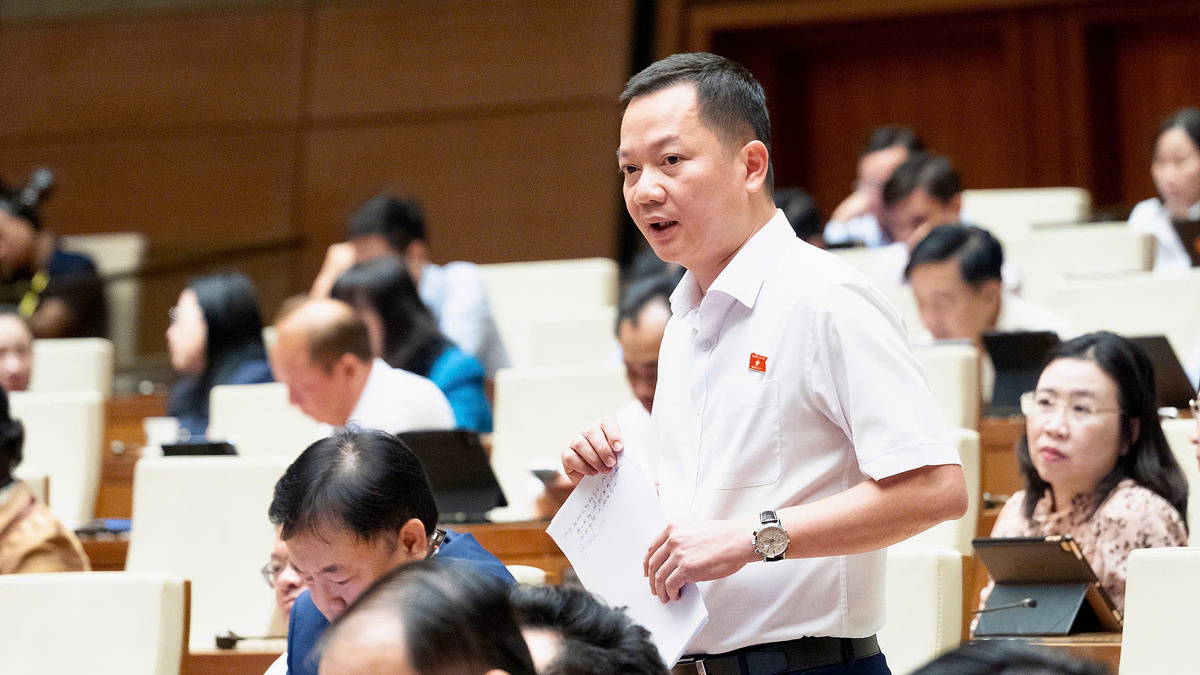
Proposal to Maintain Business Regulations for Drones Amid Security Concerns
A proposal to ease business regulations for drones (UAVs) in Vietnam has met with calls to maintain existing controls due to national defense and security risks. Concerns were raised about the management of dual-use UAV technology, emphasizing the need for consistent risk assessment and regulation from import to sale and use.
This article requires PRO
This article is outside the free access window or is a special report. PRO unlocks it and the full archive.
Related articles
- CPV Central Committee Deliberates Talent Strategy and Party Reforms
The Communist Party of Vietnam Central Committee deliberated on a draft strategy for talent attraction and utilization, alongside reforms aimed at building a clean and strong Party and political system. Revisions to regulations on Party members' participation in investment and business activities were also discussed.
- Five Vietnamese Businesswomen Named Among Asia's Most Powerful
Five Vietnamese businesswomen have been recognized in Fortune's '100 Most Powerful Women in Asia' list. Pham Thu Huong, Vice Chairwoman of Vingroup, secured the highest position for Vietnam at 37th.
- World Bank Raises Viet Nam's GDP Growth Forecast to 7.4% Amid AI Boom
The World Bank has raised Viet Nam's GDP growth forecast for 2024 to 7.4%, driven by increased demand for AI-related products. While this is among the highest in the East Asia and Pacific region, the report highlights risks associated with the economy's high dependence on AI-related exports and global demand fluctuations.
- Vietnam Welcomes Over 17.7 Million International Visitors in Nine Months
Vietnam has welcomed over 17.7 million international visitors from January to September this year. This figure marks a significant recovery for the tourism sector and is expected to boost economic growth.