Vinh Long Province Faces Delays in Resolving Surplus Properties, Raising Waste Concerns
Vinh Long Province in Vietnam is facing significant delays in processing surplus properties resulting from mergers and reorganizations. These issues, stemming from incomplete legal procedures and physical challenges, raise concerns about asset waste and inefficient utilization.
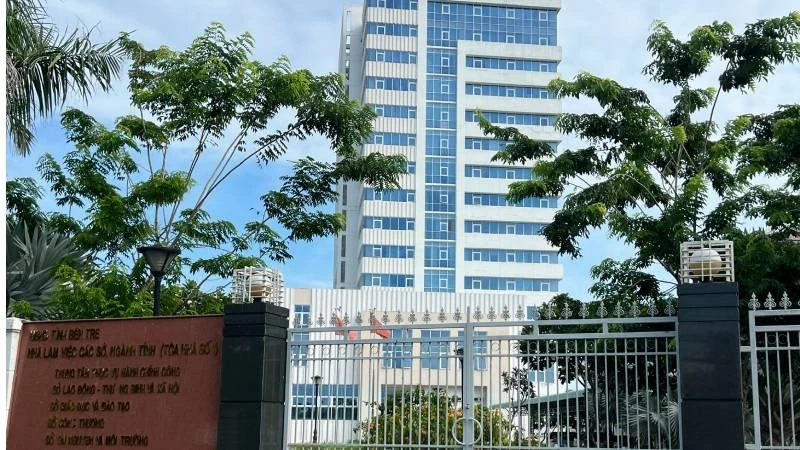
In Vinh Long Province, southern Vietnam, significant delays in processing a large number of surplus properties resulting from administrative reconfigurations are raising concerns about potential asset waste, according to a specialized inspection by the provincial Inspectorate. These properties are not being utilized effectively, posing a risk of financial loss. The inspection report indicates that Vinh Long Province currently manages 6,457 properties. Between March 1, 2025, and April 30, 2026, 1,037 properties were designated for sorting and processing. However, 244 of these lack land use rights certificates or property ownership documents. While the Provincial People's Committee has approved the transfer of 318 properties to agencies in need, the remaining 719 require further processing. Of these, 188 have no approved processing plan, 295 have approved plans but have not completed handover, and 236 have been handed over to management and exploitation units. The Inspectorate noted that the volume of public assets generated by reorganizations is substantial, yet many long-standing issues remain unresolved. Key reasons include the absence of land use rights certificates for many properties, missing or lost legal documents, discrepancies between documented and actual land areas, unclear boundaries, and instances of encroachment or disputes, all contributing to prolonged handover processes. Furthermore, the placement of offices after reorganization continues to be problematic. Out of 124 communes and wards in the province, only 28 operate centrally; the remaining 96 are dispersed due to inadequate office space. Conversely, many surplus offices, if left unmanaged, risk rapid deterioration and potential waste of public assets. The Center for Housing Management and Development manages 232 properties and has received 230, but significant management issues persist. The center identified 89 properties as potentially rentable, while 123 are deemed unexploitable due to severe dilapidation, poor location, or being mere vacant land. Additionally, 40 properties lack complete legal documentation. The Land Development Fund Center has only received 6 out of 52 properties assigned by the Provincial People's Committee. Most remaining properties cannot be handed over due to incomplete legal dossiers, undefined land boundaries, encroachments, or unresolved issues with existing assets. The inspection also revealed issues in public asset management, with some approved-for-use properties remaining vacant due to a lack of exploitation plans or renovation funds. Discrepancies in area, incorrect addresses, and inconsistent data are common, with handovers often based on documentation rather than thorough on-site verification. Moreover, asset theft has occurred at several facilities, including the Ánh Hồng Troupe, former Chợ Lách District Procuracy, former Chợ Lách District Court, former Trà Vinh Province Center for Application and Technology Transfer, and the former Duyên Hải District Animal Husbandry and Veterinary Station. In response to these issues, the Inspectorate has urged relevant agencies to expedite the completion of legal documentation for properties not yet eligible for handover, resolve encroachment and dispute cases, develop exploitation plans for the 89 potentially rentable properties, and propose solutions for the 123 unexploitable ones to prevent public asset waste. Additionally, the Inspectorate recommended clarifying the responsibilities of individuals and collectives involved in cases of asset theft during their management period. It also called upon the Department of Finance, the Department of Agriculture and Environment, and commune-level People's Committees to accelerate the completion of dossiers and propose plans for the effective processing and exploitation of surplus land and housing assets in accordance with the law. Source: Nhan Dan
多角的分析
ベトナムでは、地方政府による資産管理の非効率性がしばしば問題となる。特に、行政区画の再編や合併に伴い発生する余剰資産の処理は、法的手続きの煩雑さ、担当部署間の連携不足、そして資産の正確な評価の難しさから、長期化する傾向がある。ヴィンロン省の事例は、これらの構造的な課題が、公共資産の潜在的な価値を損ない、非効率な財政運営につながる典型例と言える。GDP成長率の維持を目指すベトナム経済にとって、このような資産の遊休化や浪費は、資源配分の最適化を妨げる要因となり得る。
投資家にとって、地方政府の管理能力や行政手続きの透明性は、事業環境を評価する上で重要な要素となる。ヴィンロン省の事例に見られるように、公有資産の管理・活用における遅延や不備は、不動産開発やインフラ関連プロジェクトへの投資判断に影響を与える可能性がある。法的手続きの不備や境界問題の未解決は、プロジェクトの遅延や予期せぬコスト増のリスクを高めるため、投資家はこれらのリスクを慎重に評価する必要がある。特に、不動産関連の投資においては、土地所有権や利用権に関する法的な確実性が不可欠である。
ヴィンロン省の余剰不動産問題は、地域住民の生活に直接的な影響を与えるものではないかもしれないが、公共サービスの提供体制や行政の効率性という観点から、社会的な関心事となり得る。例えば、分散して配置されている行政機関の執務室は、市民が行政サービスを受ける際の利便性を低下させる可能性がある。また、老朽化した未活用資産の放置は、景観を損ねるだけでなく、不法投棄や治安悪化のリスクも伴う。さらに、資産の盗難が発生している事実は、管理体制の不備を露呈し、公共への信頼を損なう可能性がある。
ヴィンロン省の市民にとって、行政区画再編後の余剰不動産問題は、直接的な生活への影響は少ないかもしれない。しかし、行政サービスを受ける際の不便さ、例えば分散した執務室への移動の手間などは、日々の生活における小さなストレスとなり得る。また、公共資産が適切に管理・活用されず、遊休化したり、盗難に遭ったりすることは、税金が有効に使われていないという感覚につながり、行政への不信感を抱かせる可能性がある。特に、地方の市民は、中央政府の政策が地域にどのように具体的に影響しているかを肌で感じており、このような非効率な行政運営は、彼らの生活実感と乖離する可能性がある。
背景・歴史的文脈
ベトナムでは、行政効率の向上と財政負担の軽減を目指し、地方行政区画の再編・統合が継続的に行われている。特に2019年以降、多くの省で行政単位の合併が進められ、それに伴い、旧行政機関の建物や土地が余剰資産として発生している。これらの資産の処理は、法的手続きの複雑さ、公有財産管理に関する規則の厳格さ、そして担当部署間の連携不足などから、しばしば遅延する傾向にある。過去にも同様の事例が報告されており、資産の盗難や不法占拠、老朽化による損失などが問題視されてきた。ヴィンロン省の事例は、こうしたベトナム全土に共通する行政改革の課題の一つと言える。
原文ソース
Nhan Dan