General articles are free for 24 hours after publish.
Pattaya's Walking Street: Inside the City's Iconic Nightlife Hub
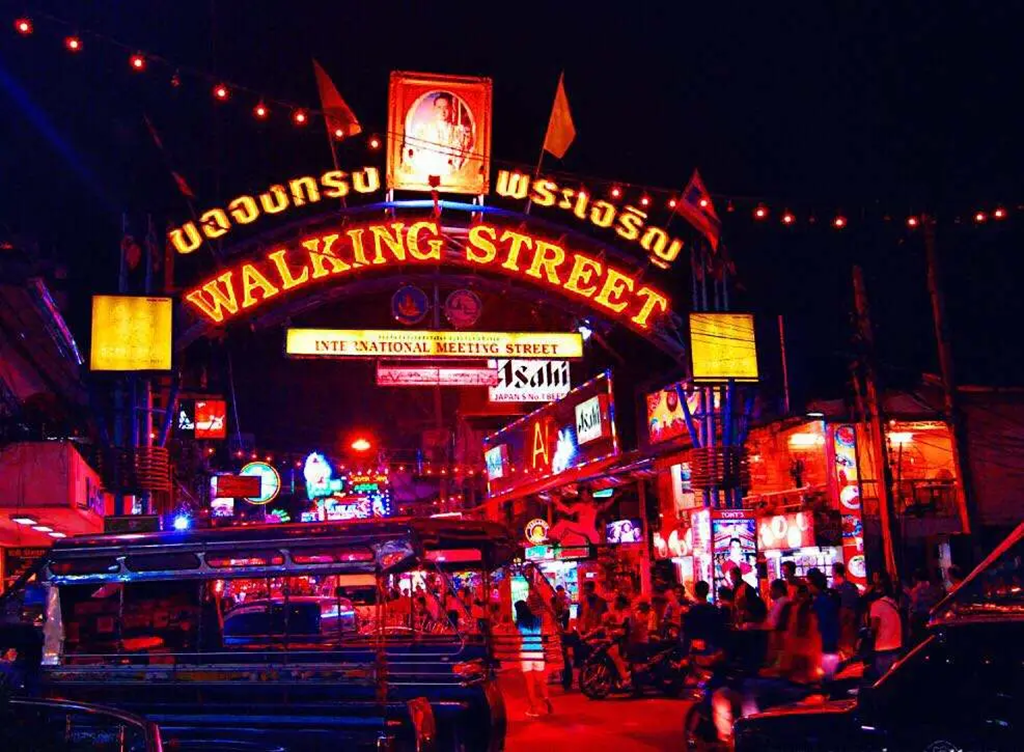
Pattaya's renowned nightlife hub, Walking Street, pulsates with neon lights, bars, and clubs after dark. With origins tracing back to the Vietnam War era, the street continues to attract diverse visitors, though its adult-oriented nature means it's not for everyone.
Pattaya's Walking Street, the city’s most famous nightlife hub, is a magnet for travelers after dark. This vibrant pedestrian strip pulsates with neon lights, music, bars, clubs, restaurants, and street performers packed into a concentrated area. The atmosphere is undeniably loud and crowded, catering primarily to visitors seeking late-night entertainment. Families or those preferring quiet evenings might find it overwhelming. Stretching from Pattaya Beach Road towards Bali Hai Pier in South Pattaya, the central pedestrian section is roughly 500 to 700 meters long, though the overall entertainment zone often includes adjacent lanes and connected areas. Vehicles typically clear the main strip from around 6 or 7 PM until nearly 3 AM, transforming the street into a lively spectacle. The district's origins trace back to the Vietnam War era, when Pattaya served as a rest and recreation hub for US service members. Over decades, its bars and clubs evolved into an internationally recognized nightlife destination. Today, Walking Street attracts a diverse crowd, including short-term tourists, long-stay residents, tour groups, and locals meeting friends. Its compact layout allows visitors to easily explore multiple venues in a single evening without needing transportation. The street offers a wide array of entertainment choices within a short walking distance. Options range from beer bars and go-go bars to live music venues, sports bars, large nightclubs, seafood restaurants, and food stalls. While the district is known for its adult nightlife, not every establishment defines the street's entire character. Visitors can experience the lively atmosphere by simply walking through, enjoying the lights and music, or dining without necessarily entering an adult venue. Major clubs often feature DJs and dance floors, operating late into the night. Smaller venues provide live bands, sports broadcasts, or a more relaxed setting for drinks. Notable establishments include 808 Night Club, Insomnia, Lucifer’s, Mixx, Ibar, Mist, and Sun Club. Venue lineups and rules can change, so travelers should check current opening times, admission policies, and event notices before choosing a club. A street that feels busy one week may have different music or operating hours the next. Large dance clubs usually have higher cover charges and louder sound systems. Live music bars offer a more social setting, while smaller venues may suit travelers who want a drink without spending hours on a dance floor. The busiest period usually falls between 10 PM and 2 AM. Before entering, guests should compare music style, cover charge, seating options, drink prices, and crowd levels. Friday and Saturday nights tend to draw the largest crowds. Dining is an accessible way to enjoy Walking Street. Seafood restaurants are plentiful, and vendors sell quick snacks and Thai meals. Street food can start around 50 THB, while a standard restaurant meal typically costs 200 to 700 THB, depending on the seafood, location, and setting. Beer prices generally range from 100 to 240 THB, with cocktails starting near 150 THB and rising at major clubs. Prices can increase during busy events or in premium venues. Travelers seeking a broader look at local dining can also compare the street with other Pattaya evening food experiences. Go-go bars and other adult venues are a significant part of Walking Street's identity. While touts may invite passersby inside or promote shows and drink specials, polite refusal is common. It is advisable for visitors to confirm all charges, including drink costs, admission fees, minimum spending requirements, and service charges, before ordering. A clear price list helps prevent disputes later. Respect matters on both sides. Visitors should avoid unwanted photography, follow venue rules, and leave if staff or other guests create an uncomfortable situation. Many licensed venues close around 2 AM, though some bars and nightclubs extend their hours until 3 or 4 AM. Schedules can change with local regulations, special events, and venue policies. For a less crowded experience, visiting between 7:30 PM and 9:30 PM is recommended. This timing allows visitors to observe businesses preparing for the night and enjoy a calmer introduction. Late visitors will experience the fullest club atmosphere, loudest music, and largest crowds, which suits those seeking maximum energy but can feel overwhelming for others. During peak hours, it's important to secure belongings and agree on meeting points with companions. Visitors should use licensed or clearly priced transport and confirm fares before departure. Drinks should remain in sight, and excessive drinking can increase the likelihood of price disputes, lost property, or unwanted attention. Tourists should respect local workers, avoid photographing people without permission, and follow security instructions. Anyone who feels uncomfortable should feel empowered to leave the venue and move toward a brighter, safer area.
Original source
Chiang Rai Times