Uncoordinated Housing Projects Fuel School Congestion in the Philippines
Health
2026年7月26日
5
Inquirer NewsInfo

General articles are free for 24 hours after publish.

Uncoordinated Housing Projects Fuel School Congestion in the Philippines

Share
AI Summary

A lack of coordination between housing development and educational infrastructure is causing severe school congestion in the Philippines. In Naic, Cavite, thousands of additional students have strained public schools due to numerous low-cost housing sites, with outdated regulations identified as a root cause.

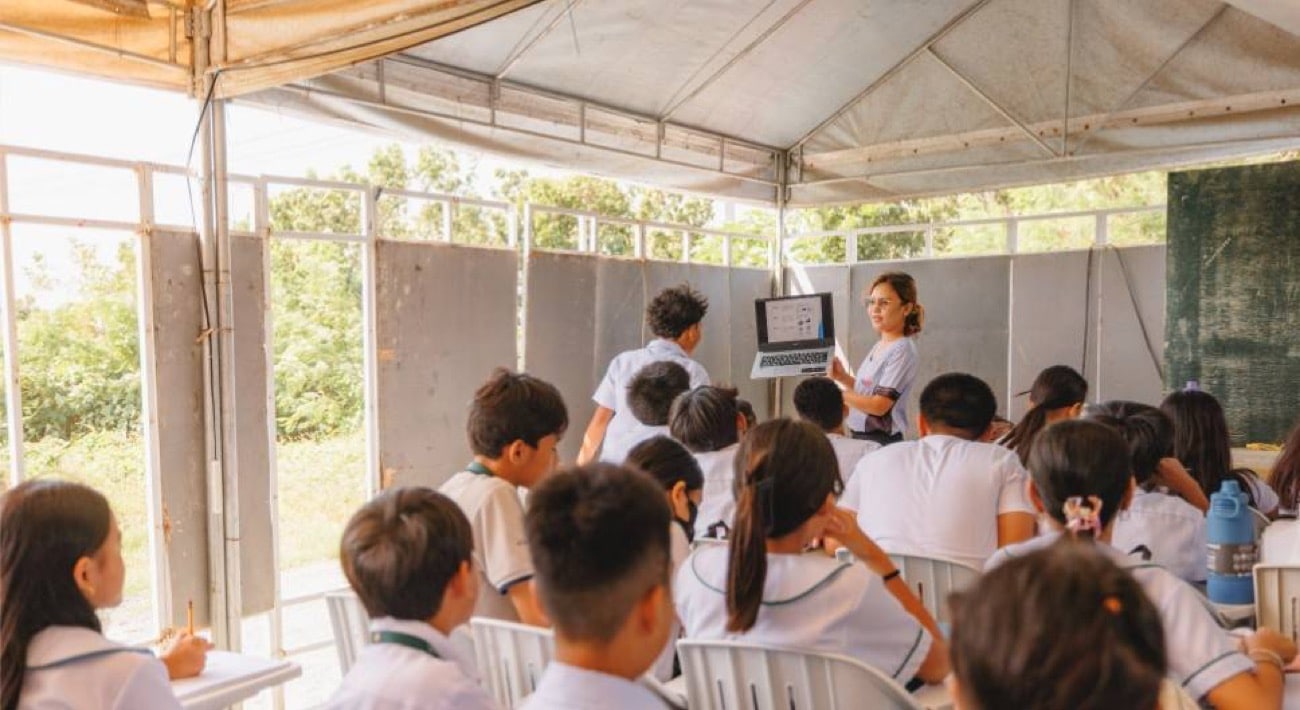
A lack of coordination and an outdated policy on housing developments have led to severe congestion in many schools across the Philippines, as new communities emerge and local populations grow without the corresponding educational infrastructure being established. This is among the latest findings of the Second Congressional Commission on Education (Edcom 2), which cited one town in Luzon as a prime example. In a statement on Saturday, Edcom 2 highlighted that in Naic, Cavite, public schools experienced a surge in enrollment of thousands of additional students following the establishment of up to 48 low-cost housing sites in the municipality. "Between the end of the school year in March and the opening of classes in June, student enrollment in the town surged by 5,450 learners, creating an immediate deficit of 135 classrooms overnight based on DepEd’s 1:40 ratio," the commission stated. Specific schools in Naic are now bearing the brunt of this influx. Muzon Elementary School, for instance, saw its enrollees jump from 605 to 1,519 in just three months. Another school, Timalan Hills View, experienced an increase from 6,500 to 7,459 students, forcing them to share the school’s 32 classrooms. The congestion has led to some students attending classes in tents or "repurposed" housing units. In other cases, classrooms designed for 40 students now accommodate up to 80, with monobloc chairs used instead of desks to maximize space. According to the commission, the failure to build necessary educational facilities during housing development "is rooted in outdated policy loopholes," particularly within the 2008 implementing rules and regulations (IRR) of Batas Pambasa No. 220. This law sets standards for socialized housing projects. Under its IRR, developers are only required to allocate space for school facilities if a single development exceeds 1,500 housing units. This threshold means the policy completely fails to account for the massive cumulative impact of multiple adjacent developments that fall below this limit. Edcom 2 also pointed to a "lack of cooperative planning between government bodies" as a significant cause of the problem. While the Department of Education (DepEd) and the Department of Human Settlements and Urban Development (DHSUD) signed a memorandum of understanding in July 2025 to "jointly plan and ensure availability of facilities in future sites," local officials in the National Capital Region, Central Luzon, and Calabarzon "remain in the dark" regarding solutions to campus congestion caused by new housing projects. Edcom 2 has called for immediate amendments to BP 220. It also urged DepEd and the Department of the Interior and Local Government to jointly clarify their roles for better coordination. "Without immediate policy intervention and synchronized action from all relevant agencies, the heavy burden of these uncoordinated housing projects will continue to fall directly on the shoulders of Filipino teachers and learners," the commission warned. Source: Inquirer NewsInfo

0

Original source

Inquirer NewsInfo

原文を読む