General articles are free for 24 hours after publish.
Vietnam's Tourism Sector Pivots to Quality and Value Chains
Vietnam's tourism sector is increasingly focusing on MICE (Meetings, Incentives, Conferences, and Exhibitions) and high-end hospitality to achieve its international visitor targets for 2026. The strategy shifts from quantitative expansion to qualitative improvement, aiming to boost local economies and enhance international competitiveness.
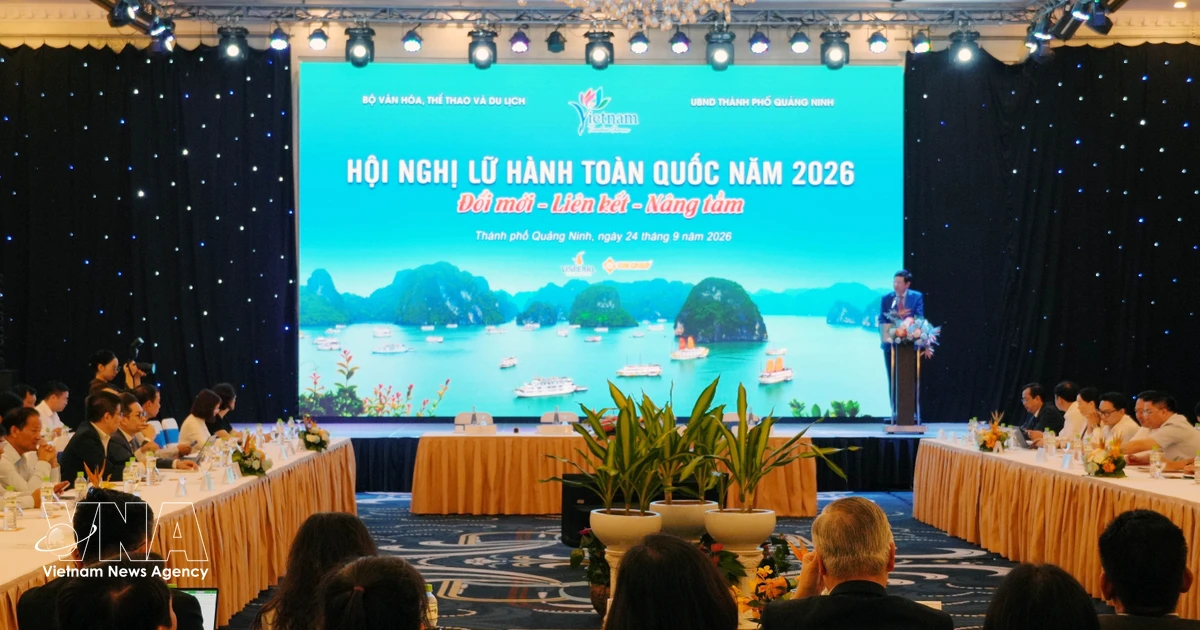
Vietnam's tourism sector is strategically shifting its focus from mere visitor numbers to enhancing service quality and value chains. Investments are accelerating, particularly in the MICE (Meetings, Incentives, Conferences, and Exhibitions) sector and high-end hospitality, to meet annual targets for 2026. By the end of August 2026, Vietnam welcomed nearly 16 million international visitors, reaching 63.6% of its annual target. Long-haul markets, including Russia, Europe, the Americas, and Australia, have shown significant growth, attributed to visa facilitation measures and promotional activities. For MICE tourism in Ho Chi Minh City and Vietnam as a whole, growth can no longer be driven solely by increasing the number of events. Enhancing the value of each event and the competitiveness of each destination is now crucial. This aligns with efforts to introduce premium hospitality brands and elevate international destinations. In the luxury resort segment, Phu Quoc Island is entering a new growth cycle, gaining traction among diverse travelers from Asia to Europe. Accolades such as Chanterelle – Spa by JW at JW Marriott Phu Quoc Emerald Bay Resort & Spa being named Vietnam's Best Resort Spa 2026 highlight the rising quality of Vietnamese luxury tourism. Luxury hotels like Capella Hanoi, Hotel de la Coupole – MGallery, and InterContinental Danang Sun Peninsula Resort have also been recognized in the 2026 Michelin Key selection. The Vietnamese government plans to develop Hanoi, Ho Chi Minh City, and Da Nang as major tourism growth poles, with Phu Quoc evolving into a new growth center. This initiative is expected to stimulate regional economies, create tourism-related employment, and foster deeper mutual understanding with the international community. For Phu Quoc, MICE attraction is key to transforming it from a largely seasonal resort destination into a year-round tourism hub. This will increase per-visitor spending and strengthen its ability to attract corporate groups and international professionals. The 45-day visa exemption for Russian tourists also enhances convenience for long-haul travelers, encouraging extended stays. Furthermore, Vietnam is diversifying its tourism resources, with initiatives like cross-border tourism route development between Lang Son province and China's Guangxi Zhuang Autonomous Region, cultural and historical events such as the Yen Tu festival, and the promotion of green tourism in Hue, leveraging regional specialties. For 2026, Vietnam's tourism sector aims for 25 million foreign arrivals, 150 million domestic trips, and total revenue of VND 1.125 quadrillion (approximately US$43 billion). Achieving these targets will require not only quantitative expansion but also qualitative improvement and sustainable tourism development. Source: VietnamPlus English
Original source
VietnamPlus English