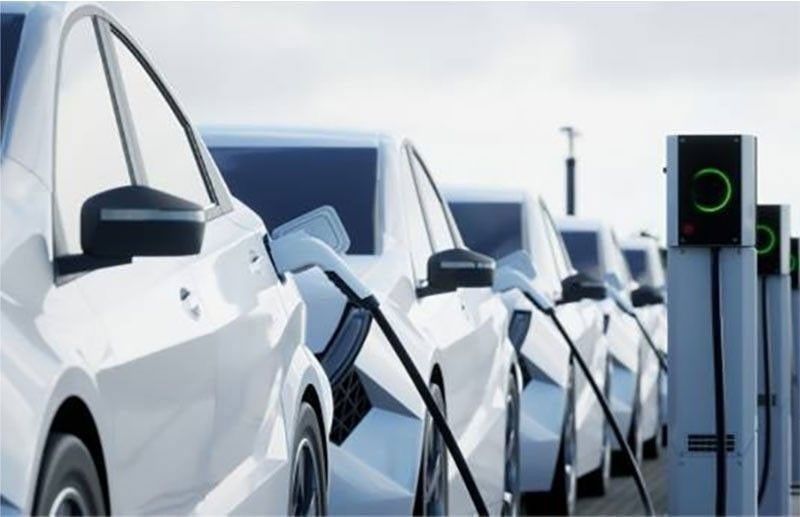
ERC: EV-to-grid rules on target this year
The Energy Regulatory Commission (ERC) in the Philippines is on track to finalize a regulatory framework for Vehicle-to-Grid (V2G) this year, allowing electric vehicle owners to sell electricity back to the grid for bill credits. This initiative aims to boost EV adoption and strengthen the national power grid.
MANILA, Philippines — The Energy Regulatory Commission (ERC) is on track to finalize a regulatory framework this year that would allow electric vehicle (EV) owners to sell electricity back to the grid and earn credits on their power bills. The ERC is developing a vehicle-to-grid framework that will allow EVs to drive green mobility on national roads while reinforcing the country’s electrical superhighway. “We’re hoping to come up with the rules this year,” ERC director for market operations service Sharon Montañer said on the sidelines of a BusinessWorld forum, noting that the guidelines would still undergo public consultation before promulgation. While details are not yet final, Montañer said the framework could follow a model similar to net metering, which enables consumers to export excess electricity from renewable energy systems to offset their power bills. In a vehicle-to-grid arrangement, however, it would be the electricity stored in EV batteries that could be sold back to the grid when not in use. “For vehicle-to-grid, you will transmit the electricity to your distribution utility (DU), similar to net metering. We are still studying it because it is new,” Montañer said. This differs from vehicle-to-load, where EVs are used as mobile power sources for external devices and appliances such as lights, fans and televisions, particularly during blackouts. The completion of the vehicle-to-grid rules is critical as they will serve as a key component of the EV regulatory framework that the ERC plans to issue this year. Under the Electric Vehicle Industry Development Act, the ERC is mandated to regulate the rates charged by DUs for charging stations and to establish rules for self-generating charging hubs and centralized vehicle-to-grid facilities. Based on the latest auto industry data, EVs accounted for 12 percent of the market last year, marking a significant jump from 2024’s 5.5 percent. By 2035, EVs may account for around 45 percent of car sales in the Philippines even as affordability challenges continue to slow wider adoption, according to the International Energy Agency. Filipinos’ growing interest in EVs comes amid the ongoing global oil crisis, which pushed diesel prices to as high as P170 per liter at the height of geopolitical tensions. “Every spike in global oil prices immediately affects millions of Filipino families through higher transport costs, higher food prices and higher inflation,” said Patrick Aquino, director at the Department of Energy. Latest DOE data showed that the transport sector accounted for about 67 percent of the country’s total oil demand. “Reducing our dependence on imported fuels is therefore not only an environmental objective; it is an economic necessity. Every EV powered by locally generated electricity reduces exposure to volatile global oil markets,” Aquino said.
多角的分析
フィリピン政府がV2G規制を年内に策定する動きは、国内のエネルギーミックスにおけるEVの役割を拡大し、再生可能エネルギーの統合を促進する可能性を秘めている。これにより、電力網の安定化と、石油価格の変動リスクに対する経済的脆弱性の低減が期待される。EVバッテリーの余剰電力を収益化する機会は、EVオーナーの経済的負担を軽減し、普及を加速させる触媒となり得る。また、これは国内の電力インフラへの投資を刺激し、スマートグリッド技術の発展を促す可能性もある。
V2G規制の導入は、EVメーカー、充電インフラ事業者、および電力会社にとって新たなビジネスチャンスを生み出す。投資家は、EVバッテリーの需要増加、スマートグリッド技術への投資、そして電力小売市場における新たなサービス展開に注目すべきである。特に、EVの普及率が予測通りに上昇した場合、電力網の管理と最適化に関わる技術やサービスへの投資が有望視される。ただし、規制の詳細や導入スケジュール、そしてEVの普及速度によっては、投資回収期間が変動するリスクも考慮する必要がある。
V2G規制は、EVオーナーが電力料金の削減という直接的なメリットを享受できるため、EVの普及を後押しする可能性がある。これは、特に燃料費の高騰に悩むフィリピンの一般家庭にとって、経済的な負担軽減に繋がる。また、EVが再生可能エネルギー源からの電力を利用することで、大気汚染の改善や、化石燃料への依存度低減といった環境面での恩恵も期待できる。しかし、初期投資の高さや充電インフラの整備状況が、地方や低所得者層への普及の障壁となる可能性も指摘されている。
EVオーナーは、自分の車が単なる移動手段ではなく、電力網に貢献し、さらに経済的なメリットをもたらす可能性に期待を寄せている。特に、燃料価格の変動が家計を圧迫する中で、電力料金の削減は歓迎すべきニュースだろう。一方で、V2L機能の活用は、停電が多い地域や、屋外での活動が多い人々にとって、災害時の安心材料や新たなライフスタイルを提供する可能性を秘めている。しかし、これらの恩恵を享受できるのは、現状ではEVを所有できる一部の層に限られるため、より広範な国民が恩恵を受けられるような政策が求められている。
背景・歴史的文脈
フィリピンでは、エネルギー省(DOE)が2017年に発表した「National Renewable Energy Program (NREP)」や、2022年に施行された「Electric Vehicle Industry Development Act (EVIDA)」を通じて、再生可能エネルギーの導入促進とEV普及に向けた政策を推進してきた。特にEVIDAは、EVの製造・輸入・使用を奨励し、充電インフラの整備や税制優遇措置などを定めている。今回のV2G規制策定は、これらの既存政策を具体化し、EVを単なる輸送手段から、電力網の一部として活用する段階へと進めるための重要な一歩である。世界的な石油価格の変動リスクに晒されるフィリピンにとって、化石燃料依存からの脱却とエネルギー自給率の向上は、長年の課題であり、EVとV2G技術はその解決策の一つとして期待されている。
原文ソース
Philstar Business