Vietnam: Household Surplus Food Shared Online, Fostering Community Spirit
Society
2026年7月20日
5
VnExpress

General articles are free for 24 hours after publish.

Vietnam: Household Surplus Food Shared Online, Fostering Community Spirit

Share
AI Summary

In Vietnam, a movement to share surplus home-cooked food for free through online groups is gaining momentum. Initially met with some resistance regarding 'leftovers,' the practice is becoming established as a new form of food waste reduction and support for those in need, thanks to careful packaging and expressions of gratitude.

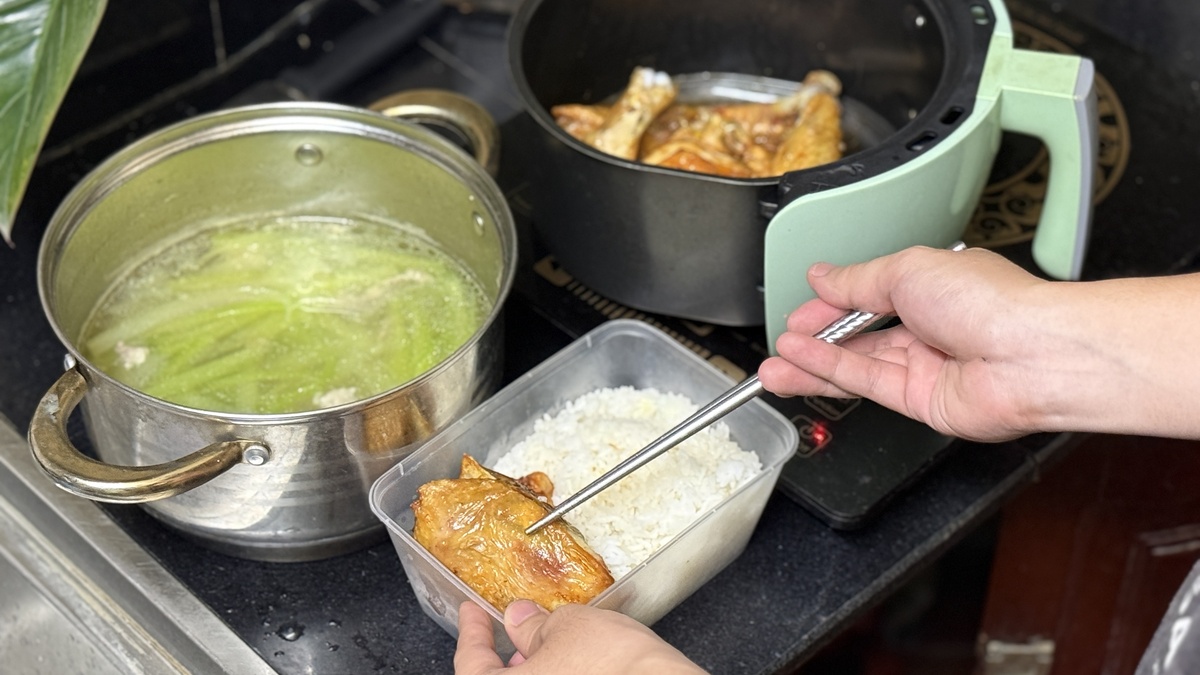
A movement to share surplus home-cooked food for free through online community groups is gaining traction in Vietnam, particularly in Hanoi. This initiative is drawing attention as a novel approach to reducing food waste and supporting those in need. For instance, Thùy Dương in Hanoi decided to box up excess food prepared due to her family's unexpected absence and post it on social media groups to find recipients. Within minutes, a man contacted her and came to collect the meal, expressing gratitude for helping him overcome his hunger. Dương has been participating in such "free donation" groups for about a year. Initially, she posted anonymously due to concerns about personal information exposure. However, to prevent food spoilage caused by delays in approving anonymous posts by administrators, she switched to using her real account. She explains that large-scale communal cooking is financially challenging, so she opts for sharing one to two family meals daily. Similarly, another woman posted two meals, including braised shrimp and stir-fried beef with cauliflower, which she had cooked in excess due to her own diligence. She aims to offer these meals to impoverished laborers and delivery drivers who might miss their meals, wishing for them to have a nutritious lunch. She emphasizes preparing fresh, well-prepared food to show respect to the recipients, addressing criticisms about giving "leftovers" with a thoughtful approach. VnExpress's survey indicates that Hanoi hosts dozens of free donation groups, with 2-3 actively engaged in the surplus food sector. The largest group, "Cho tặng đồ miễn phí tại Hà Nội" (Free Donation in Hanoi), boasts over 355,000 members. This group was established in 2021 during the COVID-19 pandemic to share essential items. Initially, the act of donating "leftovers" drew criticism from some members, but a grateful post from a delivery driver helped change the community's perspective towards greater openness. Currently, 80% of the posts in this group concern item donations, with half of them sharing home-cooked meals, primarily focusing on lunchtime and evening hours. Donors are required to disclose the condition of the food, preparation time, storage methods, and expiration dates. Associate Professor Dr. Lê Quý Đức, former Deputy Director of the Institute of Culture and Development at the National Academy of Public Administration, notes that sharing surplus food aligns with the Vietnamese cultural values of "kindness" and "avoiding waste," similar to families sharing delicious meals with relatives and neighbors. However, he also cautions that the Vietnamese saying, "What is given is less important than how it is given," highlights the potential for recipients to feel disrespected if leftover food or items nearing disposal are given carelessly. To avoid misunderstandings, Đức advises that donors must ensure food is clean, served separately before a meal, and presented with a friendly attitude that does not harm the recipient's self-esteem. Conversely, recipients should express gratitude and show appreciation for the gift. He stresses that the sharing of surplus resources becomes truly meaningful only when both parties engage with civility and mutual respect. Quỳnh Nguyễn, a 25-year-old delivery driver, has received meals from the "Free Donation in Hanoi" group twice. He states that the received meals were always cleanly packaged, adding, "That meticulousness helped me overcome my prejudice about leftover food."

0

Original source

VnExpress

原文を読む