General articles are free for 24 hours after publish.
Cambodian Agriculture Promotes Domestic Fertilizer Use to Cut Costs and Boost Yields
Cambodian agricultural communities, with approximately 20,000 member households, are promoting the use of domestically produced fertilizers. This initiative aims to reduce production costs and increase yields, potentially lessening reliance on imported fertilizers and mitigating environmental impact.
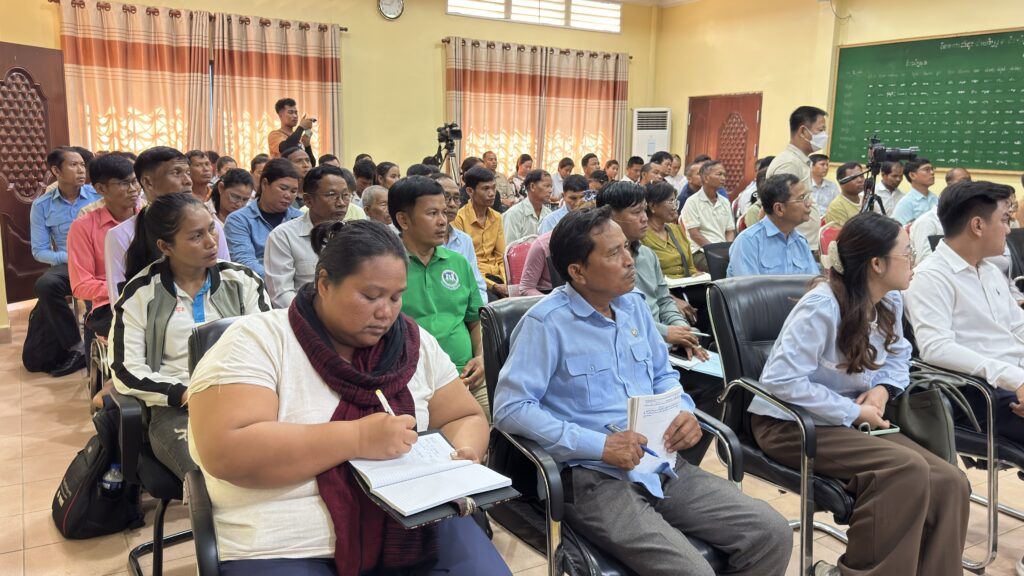
In Cambodia, a movement to promote the use of domestically produced fertilizers is spreading within agricultural communities comprising approximately 20,000 member households. This initiative is expected to contribute to reducing production costs and increasing yields. According to Ms. Rit Chanta, Chairperson of the Board of Directors of the Social Development Entrepreneur Agricultural Community Union, members have previously spent significant funds on imported fertilizers from abroad, without always achieving good yields. The Union was established in 2022, and currently has over 17,000 farmers as members. Through trial use of domestic fertilizers, they have confirmed higher yields compared to imported ones and are expanding their use. Mr. Prak Leanghuor, Deputy Director of the Department of Agriculture, Forestry, and Fisheries in Kampong Chhnang Province, noted that collaboration between farmer communities and domestic fertilizer producers will further boost the use of organic fertilizers. He explained that farmers in Kampong Chhnang Province have historically invested heavily in imported fertilizers, leading to high production costs and stagnant yields. He anticipates that cooperation with domestic organic fertilizer producers will promote the use of organic fertilizers within communities, reduce chemical fertilizer consumption, and consequently mitigate adverse health effects on residents. Mr. Ing Sothara, Co-founder of Boka Chira Organic Fertilizer Enterprise and President of the Cambodia-Japan Business and Investment Association, emphasized that using high-quality fertilizers suitable for soil types is crucial not only for cultivation but also for cost management and improving agricultural production efficiency. His vision is to make organic farming practices more widespread in Cambodia, enabling farmers to achieve better income and profits, while also contributing to environmental preservation and public health. Source: Kampuchea Thmey Local
Original source
Kampuchea Thmey Local