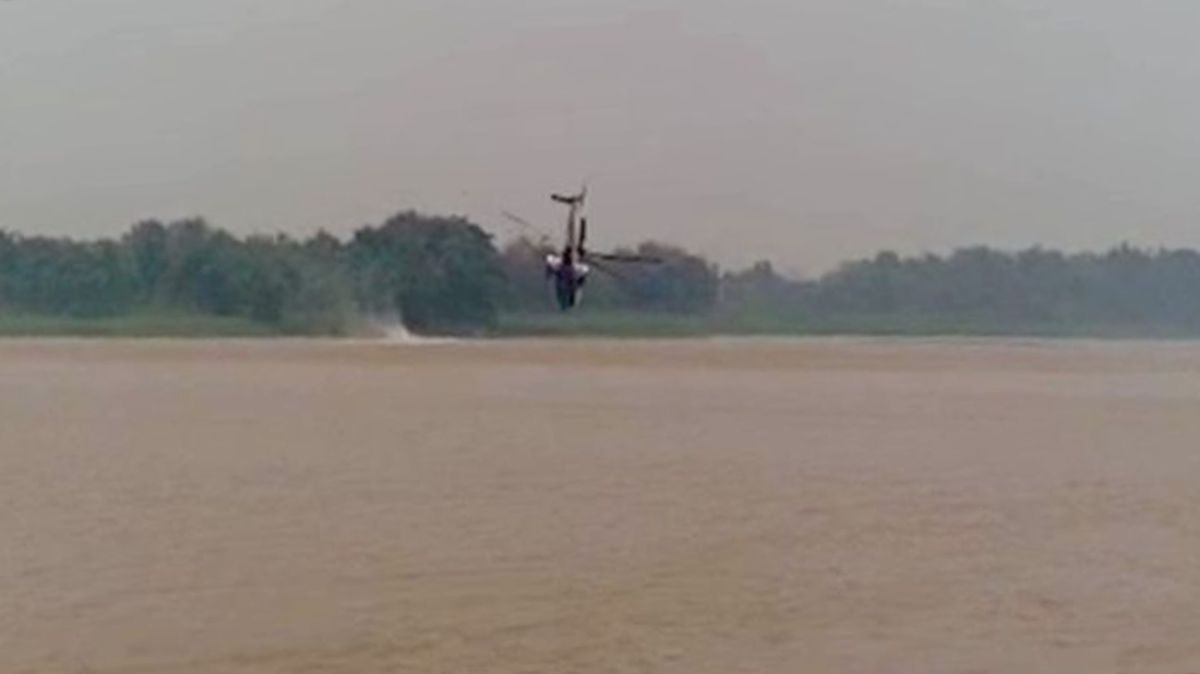
Two Firefighting Helicopters Crash in Kalimantan Within a Week
Two helicopters involved in forest fire suppression operations in Kalimantan, Indonesia, crashed within a week. One was a TNI AD (Army) helicopter, resulting in three fatalities. The other was a privately chartered helicopter contracted by the BNPB, which led to the death of one Indonesian crew member.
Read up to 3 eligible full articles per Japan day (JST) for free
Create a free account to open up to 3 eligible full articles per Japan calendar day (JST). Headlines and summaries remain available across ASEAN 7.
Related articles
- Indonesia Targets 30% Marine Protected Areas by 2045, Announces New Sites in Maluku and West Papua
Indonesia's Ministry of Maritime Affairs and Fisheries announced the establishment of new marine protected areas in Maluku and West Papua, covering over 846,000 hectares. This move is part of the nation's goal to expand marine protected areas to 97.5 million hectares (30% of its waters) by 2045, up from the current 31 million hectares, aiming to ensure marine ecosystem sustainability.
- Indonesia's Forest Fire Response Criticized for Reactive Approach
Indonesia's response to widespread forest and land fires (karhutla) is being criticized as reactive, with experts pointing to insufficient preventive measures despite early warnings of phenomena like El Niño. Papua has emerged as a new hotspot for severe fires.
- Sulawesi Continues to Grapple with Forest Fires and Drought, BNPB Reports
Indonesia's National Disaster Management Agency (BNPB) reports ongoing forest fires and drought in Central, Southeast, and South Sulawesi. Dozens of hectares have been scorched, impacting local communities. Authorities are engaged in firefighting and water distribution efforts.
- Indonesian Lawmaker Stresses Safety for Forest Firefighters
Indonesian lawmaker Rina Sa'adah has emphasized the critical importance of ensuring the safety of personnel involved in combating forest and land fires (Karhutla). She stressed that the health and safety of these crews, operating in harsh conditions, must be prioritized.