General articles are free for 24 hours after publish.
Cambodia Establishes 15 New Generation Schools to Enhance Educational Autonomy
Cambodia's Ministry of Education has established 15 'New Generation Schools' aimed at improving students' literacy and numeracy skills and fostering 21st-century competencies. This initiative is part of broader educational reforms since 2013, seeking to enhance quality and align with regional and international standards.
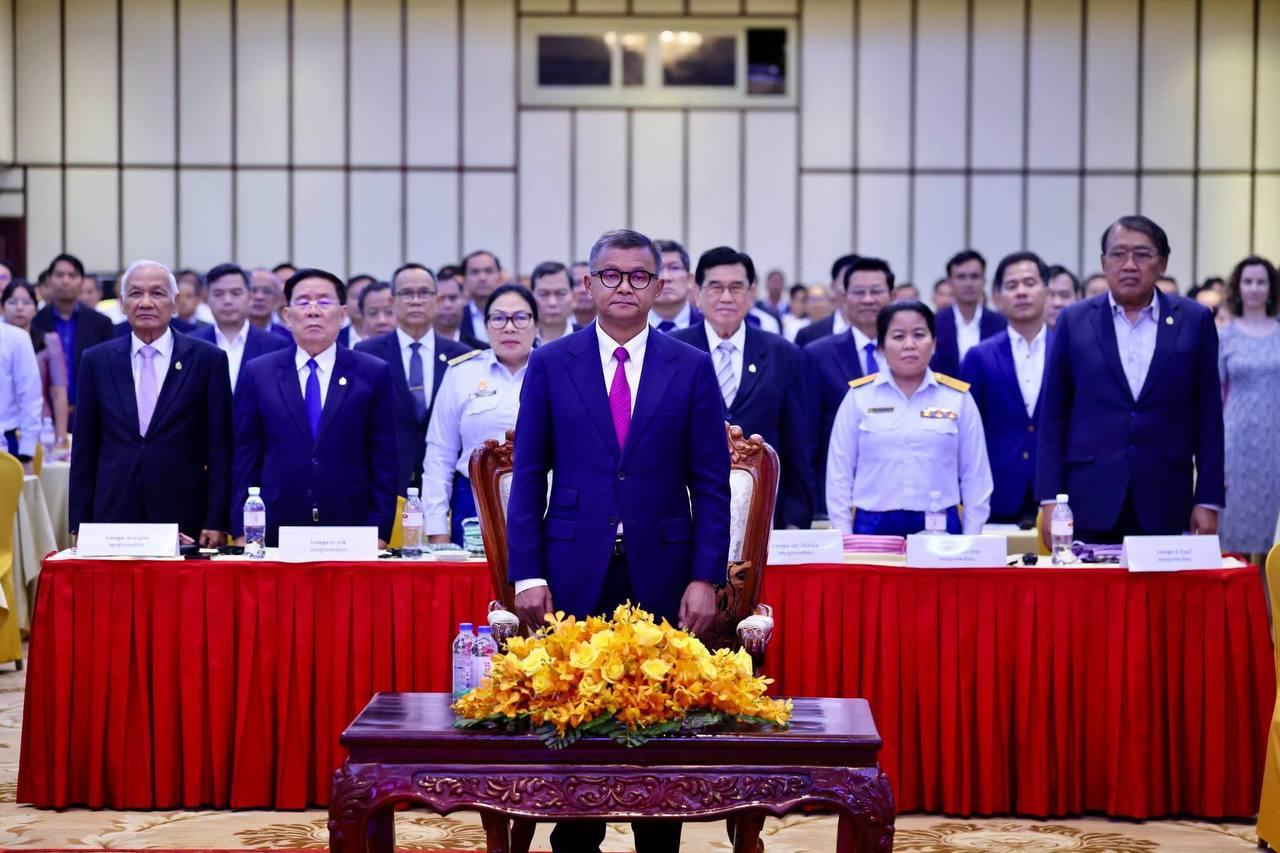
The Ministry of Education, Youth and Sport in Cambodia is advancing reforms aimed at enhancing the quality of education and aligning it with regional and international standards. Speaking at a public forum on the '2026 Education Budget' and the official launch of the 'Programme for International Student Assessment 2025 (PISA-2025) Cambodia Report' on September 8, 2026, Deputy Prime Minister and Minister of Education, Hang Chuon Naron, expressed deep gratitude for the significant contributions from all stakeholders in educational reforms. The minister outlined the progress of Cambodia's education system reform since 2013, detailing the initial phase focusing on eight priority points and the subsequent second phase in 2015, which centered on five pillars including strengthening teacher policies, inspection, evaluation, and curriculum improvement. Notably, 15 'New Generation Schools' have been established to ensure children master reading, writing, and mathematics skills. These schools are designed to grant autonomy to students and foster 21st-century competencies. Reforms also include strengthening teacher training institutions and enhancing foundational literacy and numeracy education at the primary level nationwide. Furthermore, in line with the Prime Minister's key measures, five model public school standards were implemented by the end of 2023 to improve governance, student health, extracurricular activities, and public-community partnerships. The success of school reforms hinges on 'shared leadership' and establishing accountability at the local level, with reforms in general management/administration, academic administration, financial management, and personnel management being actively implemented by local practitioners. Information Source: CPP Cambodia
Original source
CPP Cambodia