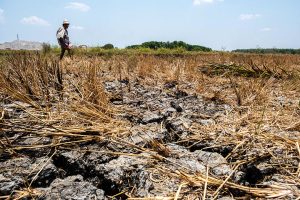
Senate Seeks Probe on Agriculture Sector's El Niño Preparedness
Politics
2026年7月15日
3
BusinessWorld Nation

Senate Seeks Probe on Agriculture Sector's El Niño Preparedness

AI サマリー

The Philippine Senate is calling for an inquiry into the agriculture sector's preparedness for the El Niño phenomenon, which is forecast to persist until 2027. Concerns about potential impacts on rice production and irrigation are highlighted.

A SENATOR on Wednesday urged the chamber to conduct an inquiry into the agriculture sector’s preparations for the El Niño, which the state weather bureau forecasts to persist until 2027. Under Senate Resolution No. 515 dated July 14, Senator Francis Pancratius “Kiko” N. Pangilinan sought to determine the budget, planning, and government interventions needed by the agriculture sector for the weather phenomena, noting concerns on the potential loss of 700,000 metric tons (MT) in rice production and irrigation disruptions. “There is, therefore, a need to determine whether the government’s plans, budget, and interventions are sufficient, properly targeted, and ready for implementation before El Niño becomes more severe,” the resolution read. In a press statement on Wednesday, Mr. Pangilinan also urged the government to come up with long-term solutions for such a crisis. The proposed measure will look into the readiness of agriculture agencies such as the Department of Agriculture, National Irrigation Administration, Philippine Crop Insurance Corp., Bureau of Fisheries and Aquatic Resources. — Kaela Patricia B. Gabriel

多角的分析

経済的影響

エルニーニョ現象は、フィリピンの農業生産に直接的な打撃を与えるため、経済全体に波及する。特に米は主要作物であり、生産量の減少は食料価格の上昇とインフレ圧力の増大を招く。また、灌漑システムの機能不全は、さらなる減産リスクを高める。政府の対策が遅れれば、農家の所得減、 rural poverty の悪化、ひいては国内消費の低迷につながりかねない。過去のエルニーニョ発生時にも同様の経済的影響が観測されており、今回は長期化が予測されるため、より深刻な影響が懸念される。

投資家心理

農業セクターへのエルニーニョの影響は、関連企業の収益性に直接影響する。肥料、種子、農機具メーカー、さらには食品加工業者や小売業者も、サプライチェーンの混乱や原料価格の変動リスクに晒される。投資家にとっては、農業関連企業への投資判断において、エルニーニョへの耐性やリスク管理能力が重要な評価基準となる。政府の対応策の遅れや不備は、投資環境の不確実性を高める要因となりうる。食料安全保障への懸念から、代替農産物や輸入への依存度が高まる可能性も考慮する必要がある。

社会的影響

エルニーニョによる農業生産への打撃は、特に地方の農村コミュニティに深刻な影響を与える。農家の収入減少は、食料不足や栄養不良のリスクを高め、教育や医療へのアクセスをさらに困難にする可能性がある。また、水資源の枯渇は、生活用水や衛生問題を引き起こすことも考えられる。政府の支援策が迅速かつ公平に届けられない場合、社会的な不満や格差の拡大につながる恐れがある。例えば、2023年のエルニーニョ予兆時には、一部地域で水不足や農作物の被害が報告されており、住民の不安が増大した。

市民の声

エルニーニョによる米生産への影響は、国民の食卓に直接響く。米の価格上昇は、家計を圧迫し、特に低所得者層の食料へのアクセスを困難にする。灌漑の混乱は、農作物の安定供給を脅かし、食料安全保障への不安を増大させる。政府の対策が効果的でなければ、国民は物価高と食料不足に直面することになる。過去のエルニーニョ発生時にも、米の価格高騰は国民生活に大きな影響を与えており、今回も同様の懸念が広がっている。

背景・歴史的文脈

エルニーニョ現象は、太平洋赤道域の水温が異常に高くなる気象現象で、フィリピンでは干ばつや水不足、あるいは逆に豪雨や洪水といった極端な気象をもたらす。農業はフィリピン経済の基幹産業の一つであり、国民の食料安全保障に直結しているため、エルニーニョの影響は深刻である。過去のエルニーニョ発生時(例:1997-1998年、2015-2016年)には、米やコーンなどの主要作物の生産量が大幅に減少し、食料価格の高騰や農家の所得減を招いた。これに対し、政府は灌漑設備の整備、耐乾性品種の導入、農作物保険の拡充、農家への直接支援などの対策を講じてきたが、その効果や迅速性については常に課題が指摘されてきた。今回のエルニーニョは長期化が予測されており、過去の経験を踏まえた、より包括的かつ持続可能な対策が求められている。

原文ソース

BusinessWorld Nation

原文を読む