General articles are free for 24 hours after publish.
BRICS Empowers Global South in Tech Race Beyond AI Frontier
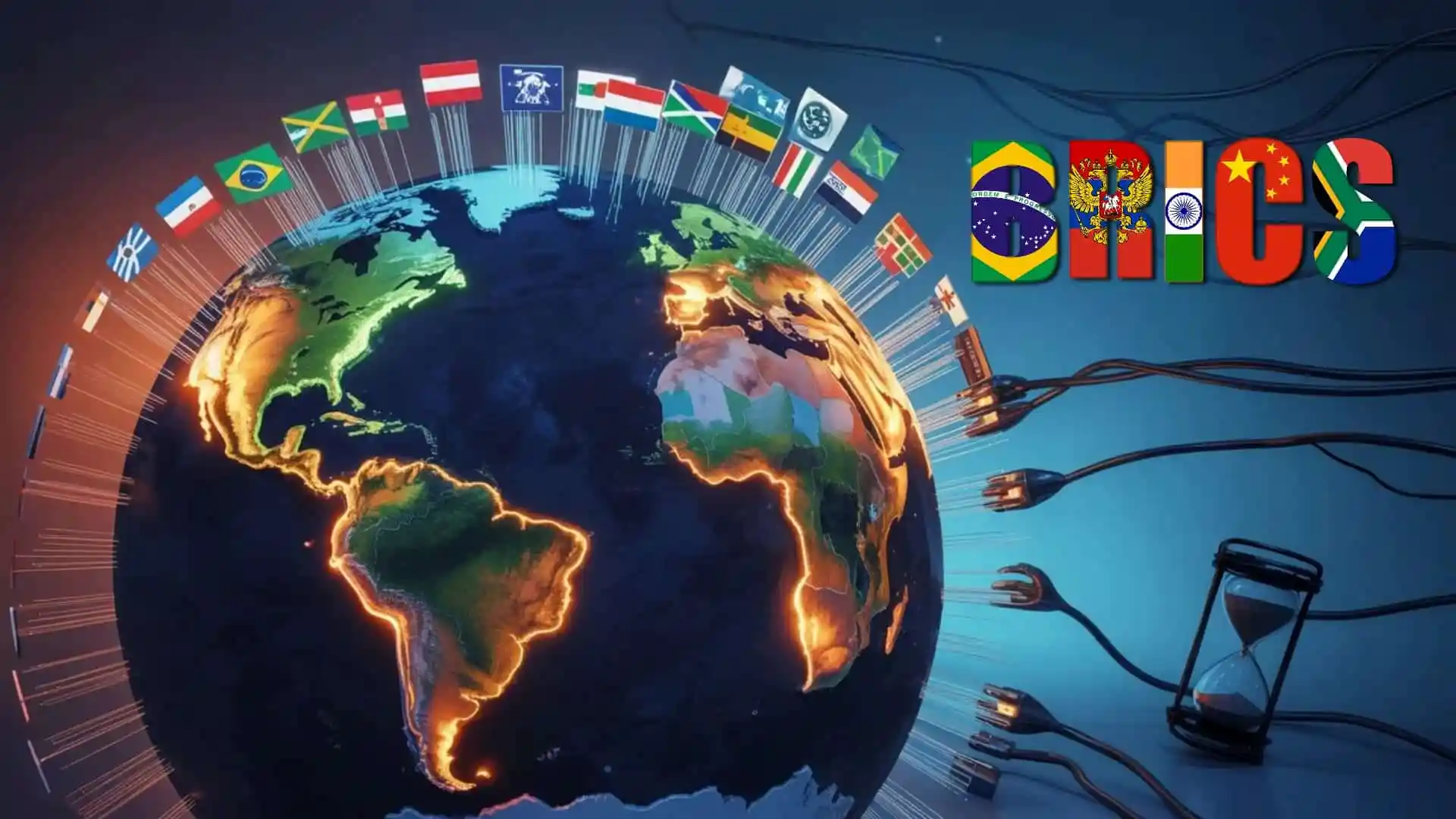
BRICS nations are fostering technological cooperation and sharing beyond the AI development race, focusing on solving real-life problems in the Global South. AI adoption is advancing in healthcare, meteorology, and agriculture, expected to contribute to achieving Sustainable Development Goals.
As artificial intelligence (AI) advances at a breathtaking pace, a more immediate question for much of the Global South is not about building the most powerful systems, but how AI can help solve problems affecting people's lives today. In this context, BRICS nations are forging a new dimension of South-South cooperation. Leveraging their diverse technological capabilities and development experiences, BRICS countries are developing and sharing AI technologies, expertise, and applications with other emerging and developing economies. These efforts go beyond one-size-fits-all technology transfers, with solutions being adapted to local infrastructure, economic conditions, and development priorities, focusing on where AI can make the biggest difference. In healthcare, AI-powered tools developed by China's Xunfei Healthcare, along with India's Qure.ai's chest X-ray analysis system, are enhancing diagnostic capabilities in regions with limited medical resources. These technologies have been deployed in over 60 countries across Africa, Asia, and Latin America, helping to alleviate specialist shortages. For climate change adaptation, the MAZU-Fengyun Satellite AI Toolbox, developed by China's Meteorological Administration, is assisting countries like Pakistan, Ethiopia, and Sri Lanka in strengthening their monitoring and early warning capabilities for extreme weather events. In agriculture, AI is offering farmers and researchers new ways to make better decisions. In Namibia, a smart agricultural management system generates tailored fertilization plans based on specific land conditions, while in Thailand and Myanmar, optimized bean varieties are being developed to match local growing conditions. Underpinning these technological advancements, the New Development Bank (NDB), established by BRICS nations, is financing infrastructure and sustainable development projects, supporting digital infrastructure and technology-driven public services. A loan for an AI-integrated smart hospital in Brazil exemplifies this support. Technology alone cannot transform public services; digital networks, computing infrastructure, and the necessary investments are crucial. The NDB plays a vital role in turning AI from an emerging technology into a tool embedded within society.
Original source
Chiang Rai Times