General articles are free for 24 hours after publish.
ART Drug Supplies Restored in Northern Myanmar's Kachin State, but Patients Fear Looming Shortages
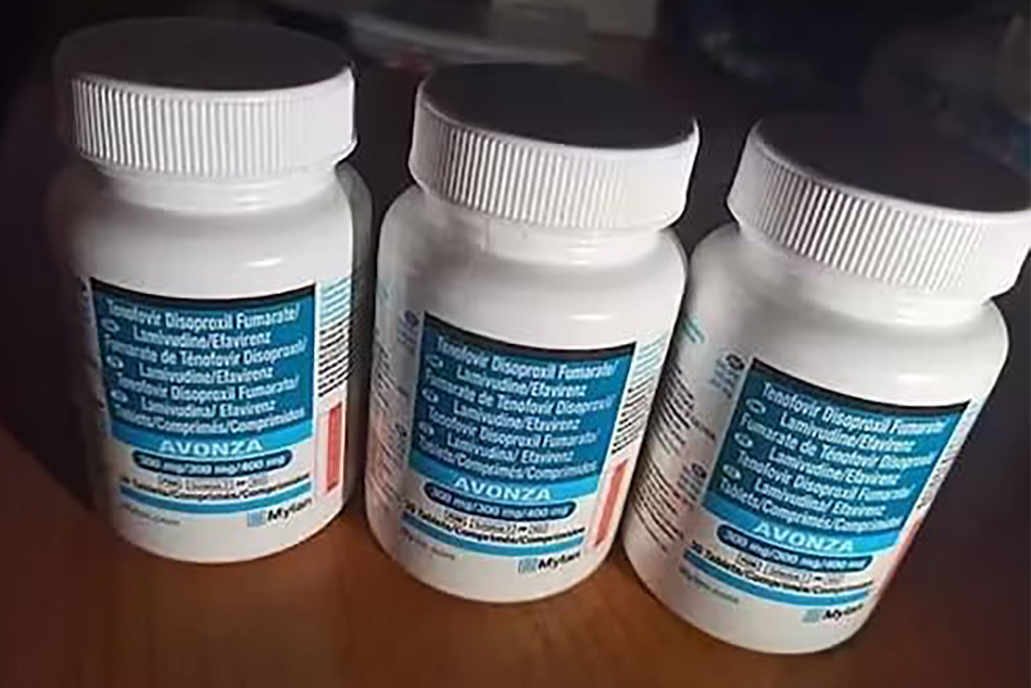
Antiretroviral therapy (ART) medications—vital for suppressing HIV and preventing AIDS—have resumed distribution in Kachin State’s Myitkyina and Waingmaw townships. However, supplies remain severely constrained, fueling
Antiretroviral therapy (ART) medications—vital for suppressing HIV and preventing AIDS—have resumed distribution in Kachin State’s Myitkyina and Waingmaw townships. However, supplies remain severely constrained, fueling fears among patients of imminent stockouts. The acute shortage began in early September, forcing local health centers to ration supplies or dispense alternative, non-standard formulations. On September 21, distribution resumed three days a week at the General Hospital in Myitkyina, the provincial capital. Patients are currently limited to receiving a one-month supply per visit. “Myitkyina received a shipment on September 18, allowing us to restart distribution on September 21,” a volunteer healthcare worker said on condition of anonymity. “We are doing everything possible to avoid another shortage, but I cannot comment further.” Patients noted that prior to the 2021 military coup, they routinely received two- to three-month supplies. Since state-run facilities took over distribution under the junta, available quotas have plummeted. “We used to collect medicine just once every three months,” a Myitkyina resident receiving long-term treatment told Network Media Group. “Now, the amount depends entirely on remaining stock. Sometimes we only get a week’s supply, sometimes 15 days, or at most a month. For patients coming from rural areas, frequent travel is expensive and dangerous due to military checkpoints. Even though drugs are available today, we live in constant fear of another outage.” The crisis acutely impacts residents in drug rehabilitation facilities and remote mountain communities, where travel costs and security blockades make frequent hospital visits nearly impossible. The World Health Organization (WHO) warns that strict, continuous adherence to ART is crucial. Interruptions or missed doses cause viral loads to spike, leading to drug resistance, disease progression, and increased transmission risks. “Taking this medication consistently is a matter of life and death,” another long-term patient said. “As recently as August, patients in Myitkyina, Waingmaw, Hpakant, and Mohnyin could still get a three-month supply. When stock completely ran out in early September, panic set in. Getting a one-month allotment buys time, but it doesn't give us peace of mind.” Nearly 28,000 people in Kachin State rely on regular ART regimens. Amid active armed conflict, military blockades, and severe logistical disruptions, health workers fear long-term supply chains may prove unsustainable.
Original source
BNI (Burma News International)