Indonesia Achieves Zero Solar Imports with B50 Mandate, President Says
Economy
2026年7月9日
5
VOI English
Relations
🇮🇩Indonesia🇺🇸United States

Indonesia Achieves Zero Solar Imports with B50 Mandate, President Says

AI サマリー

President Prabowo announced that Indonesia has ceased fuel imports due to the mandatory implementation of Biodiesel B50. He emphasized this achievement will save approximately Rp170 trillion (US$10 billion) in foreign exchange annually, advocating for domestic resource utilization and energy security.

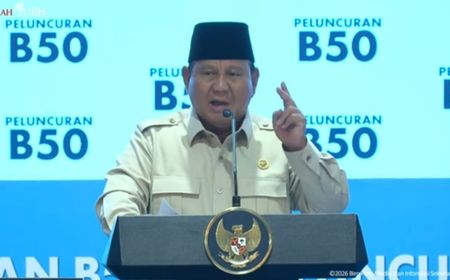
President Prabowo Subianto announced that the implementation of Mandatory Biodiesel B50 has enabled Indonesia to completely halt diesel fuel imports. Speaking at the launch of the B50 program in Karawang Regency, West Java, on Thursday, July 9, Prabowo declared this a "great national achievement." He further stated that the program will contribute to retaining foreign exchange reserves amounting to approximately Rp170 trillion (US$10 billion) annually. Prabowo has consistently advocated for an increase in the biodiesel blend ratio, even pushing for a transition to B100. However, he noted that ministers have assured him that B50 is sufficient to cease solar imports. B50 is a diesel fuel blended with 50 percent palm oil-based biofuel, representing a government effort to reduce reliance on imported fuels. The President emphasized the critical importance of energy for a nation's survival, asserting that Indonesia should not remain dependent on other countries for its basic needs. He highlighted Indonesia's abundant energy resources, including geothermal reserves, coal, and natural gas, referencing discoveries in the Andaman, Masela, Natuna, and Kalimantan regions. Prabowo also touched upon the potential of compressed natural gas (CNG), suggesting that its widespread availability in Indonesia offers a viable alternative to imported Liquefied Petroleum Gas (LPG). Amidst global challenges, the President expressed confidence in Indonesia's capacity to endure if it diligently manages its food, energy, and water resources. He urged government officials to find immediate solutions that alleviate the burden on the public, framing the B50 initiative not just as an energy program but as a strategy to prevent the outflow of foreign currency through imports.

多角的分析

経済的影響

B50導入による燃料輸入停止は、インドネシアの貿易収支に直接的なプラス効果をもたらす。年間100億ドル相当の外貨流出抑制は、通貨ルピアの安定化に寄与し、インフレ圧力の緩和にもつながる可能性がある。ただし、パーム油由来バイオ燃料の生産拡大に伴う国内のサプライチェーンへの影響、特に中小規模農家への恩恵の分配、そして国際的なパーム油価格の変動リスクは注視する必要がある。過去、バイオ燃料政策は国際市場との連動で経済的影響が変動してきた。

投資家心理

B50義務化は、国内のパーム油産業およびバイオディーゼル製造業者にとって明確な追い風となる。国内需要の安定的な確保は、これらのセクターへの投資を促進するだろう。一方で、国際的な原油価格の低迷が続けば、バイオディーゼルと化石燃料ディーゼルとの価格競争力が課題となる可能性もある。投資家は、政府の政策の継続性、パーム油の持続可能な生産体制、そして代替エネルギー技術の動向を注視する必要がある。

社会的影響

B50導入は、エネルギー自給率向上という国民的な目標達成に貢献する一方、パーム油生産の拡大が環境問題や土地利用を巡る地域社会との摩擦を引き起こす懸念も存在する。特に、森林破壊や生物多様性への影響は、国際社会からの批判を招く可能性もある。また、バイオ燃料の価格が一般のディーゼル燃料より高くなった場合、輸送コストの上昇を通じて市民生活に影響を与える可能性も否定できない。プラボウォ大統領が言及した、国民の負担軽減という点では、価格抑制策の導入が鍵となるだろう。

市民の声

プラボウォ大統領は、B50導入が国民の負担を軽減する手段であると強調しているが、その実態は価格設定に大きく左右される。もしB50が従来のディーゼル燃料よりも高価になった場合、物流コストの上昇を通じて食料品などの価格に転嫁され、結果的に一般市民の家計を圧迫する可能性がある。また、パーム油生産の拡大が、土地利用を巡る地域住民との紛争や、環境汚染問題を引き起こす可能性も懸念される。国民生活への真の影響は、政策の実行段階における価格維持策や環境保全策の有無にかかっている。

背景・歴史的文脈

インドネシアは世界有数のパーム油生産国であり、バイオ燃料(特にパーム油由来)の生産・利用拡大は、エネルギー自給率向上と農業セクターの育成という二重の目的で長年推進されてきた。過去には、バイオディーゼル混合比率の段階的な引き上げ(B10、B20など)が実施されており、B50はその延長線上にある。この政策は、国内のパーム油余剰在庫の消化と、輸入燃料への依存度低減を目指すものであった。しかし、パーム油生産に伴う森林破壊や環境問題は国際的な批判を浴びており、持続可能性への配慮が常に課題となっている。

原文ソース

VOI English

原文を読む