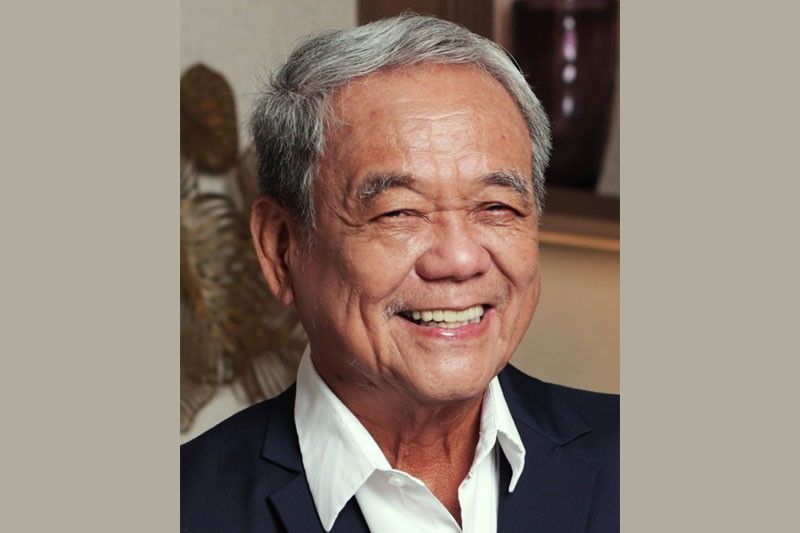
SPRC Targets 20,000 Hectares for Oil Palm Expansion
Economy
2026年7月1日
5
Philstar Business

SPRC Targets 20,000 Hectares for Oil Palm Expansion

AI サマリー

Sirawai Palm and Rubber Corp. (SPRC), backed by the Consunji family, plans to expand its oil palm plantations to 20,000 hectares to capitalize on the growing domestic vegetable oil market and reduce import dependency.

MANILA, Philippines — Sirawai Palm and Rubber Corp. (SPRC) of the Consunji family plans to expand its oil palm plantation to at least 20,000 hectares over the long term as it seizes opportunities in the country’s ever-growing vegetable oil market. Tycoon Isidro Consunji said the long-term expansion is eyed across Zamboanga, Negros, Agusan and Sultan Kudarat, where SPRC already has presence in most of the provinces in various ventures. Consunji said it costs around P250,000 to P350,000 to develop a hectare of oil palm. At present, SPRC manages some 5,000 hectares of oil palm with around 600,000 oil palm trees. To meet the remaining 15,000 hectares of the target, SPRC needs to spend between P3.75 billion and P5.25 billion. Consunji said they plan to achieve the target planted area in seven years. The need to expand SPRC’s current oil palm plantation is driven by the need to have a sufficient stream of raw material to sustain the operations of its oil mill. Consunji said SPRC's mill, which is producing 30 metric tons per hour of palm oil, requires at least 10,000 hectares of oil palm to ensure optimal output. The oil mill’s capacity can still be doubled given its expandable capacity. “The opportunities ahead are significant and we are committed to grow within the industry,” said Consunji in his speech during a recent investment forum organized by the University of Asia and the Pacific’s Center for Food and Agri Business. Consunji emphasized that the country remains dependent on imports for its vegetable oil supply. He pointed out that local palm oil production meets only nine percent of the country’s 1.1-million metric ton annual demand. Annual palm oil imports are valued at $1.5 billion with around 400,000 hectares of oil palm needed to meet domestic demand, Consunji added. “Every dollar of import is a job, a farm, a community and foreign exchange savings that could have happened here,” he said. “Large parts of Mindanao and Visayas have the rainfall and soil elevation that oil palm needs. The opportunity is here – the question is whether we are willing to build the industry,” he added. SPRC’s current oil palm operations support close to 1,200 jobs – from harvesters, mill workers, civil works and support personnel. The conglomerate is also working with 275 outgrowers cultivating around 2,500 hectares of oil palm. “Together with our plantation areas, we are now targeting 12,000 hectares total over the next five years. To support this scale, we are investing in processing infrastructure,” Consunji said. The tycoon noted that oil palm’s net income potential ranges from P40,000 to P60,000 per hectare per year, double that of coconut. “I have been stepping back from active management at DMCI and trying to spend more time in our own family’s agriculture business,” Consunji said. “And the more time I spend on it, the more I am convinced that agriculture done right is one of the most meaningful investments anybody can make in this country. Not just economically, but in terms of real, visible impact on people’s lives,” Consunji added. The country’s total planted area with oil palm last year fell by 5.5 percent to 64,575 hectares from 68,315 hectares in 2024, based on Philippine Statistics Authority data.

多角的分析

経済的影響

SPRCの2万ヘクタールへのアブラヤシ農園拡大計画は、フィリピンの植物油市場における輸入依存度を低減し、国内生産を強化する上で重要な経済的意義を持つ。年間15億ドル相当の輸入削減は、外貨準備の節約につながるだけでなく、国内での雇用創出や関連産業の育成を促進する可能性がある。アブラヤシはココナッツの2倍の収益性を持つとされており、この投資は農村経済の活性化に寄与するだろう。しかし、大規模な農地開発は、土地利用に関する地域社会との調整や、既存の農業従事者への影響といった課題も伴う。また、国際的なパーム油市場の価格変動リスクも考慮する必要がある。

投資家心理

この計画は、フィリピンにおける農業セクター、特にアブラヤシ生産への投資機会を示唆している。Consunji一族という有力な投資家グループが主導している点は、プロジェクトの信頼性を高める要因となる。目標達成には多額の資本投下が必要だが、その見返りとして期待される高い収益性は、国内外の投資家にとって魅力的である可能性がある。ただし、土地開発やインフラ整備には時間を要するため、短期的なリターンを期待する投資家には向かないかもしれない。また、環境規制や持続可能性への懸念も、投資判断における重要な要素となるだろう。

社会的影響

SPRCの計画は、フィリピン国内、特にミンダナオ島やビサヤ諸島における雇用機会の創出に大きく貢献すると期待される。約1,200人の直接雇用に加え、契約農家との連携を通じて、さらに多くの人々の生活を支える可能性がある。しかし、大規模な農園開発は、地域社会における土地利用を巡る潜在的な摩擦や、伝統的な農業からの転換を余儀なくされる人々の生活への影響も考慮する必要がある。例えば、ザンボアンガやスルタン・クダラットといった地域では、既に土地利用に関する紛争の歴史があるため、地域住民との十分な協議と合意形成が不可欠となる。また、アブラヤシ栽培の拡大が、生物多様性や森林破壊に与える環境への影響も、社会的な懸念事項として挙げられる。

市民の声

このアブラヤシ農園拡大計画は、フィリピン国民、特に農村部で暮らす人々にとって、雇用機会の増加という直接的な恩恵をもたらす可能性がある。しかし、国内の植物油価格への影響や、食料安全保障との関連性も考慮すべき点だ。現在、フィリピンは植物油の大部分を輸入に頼っており、その輸入コストは国民の家計を圧迫する要因の一つとなり得る。国内生産の拡大は、価格の安定化に寄与するかもしれない。一方で、アブラヤシ栽培の拡大が、他の食料作物の栽培面積を奪う可能性や、環境への影響が、一般市民の健康や生活環境にどのような影響を与えるかについても、十分な情報提供と議論が必要だろう。

背景・歴史的文脈

フィリピンにおけるアブラヤシ栽培の歴史は、主に20世紀後半に遡る。当初は一部地域で試験的に導入されたが、その高い生産性と経済性から、特にミンダナオ島を中心に徐々に栽培面積が拡大してきた。しかし、大規模な農地開発は、しばしば森林伐採や生物多様性の損失、先住民コミュニティとの土地利用を巡る紛争といった問題を引き起こしてきた。国内の植物油需要の増加と、輸入依存からの脱却を目指す政府の農業政策も、アブラヤシ産業の拡大を後押しする要因となっている。一方で、フィリピン統計庁のデータが示すように、近年は作付面積の減少傾向も見られ、市場の変動や他の作物との競合、環境問題への懸念などが影響していると考えられる。

原文ソース

Philstar Business

原文を読む