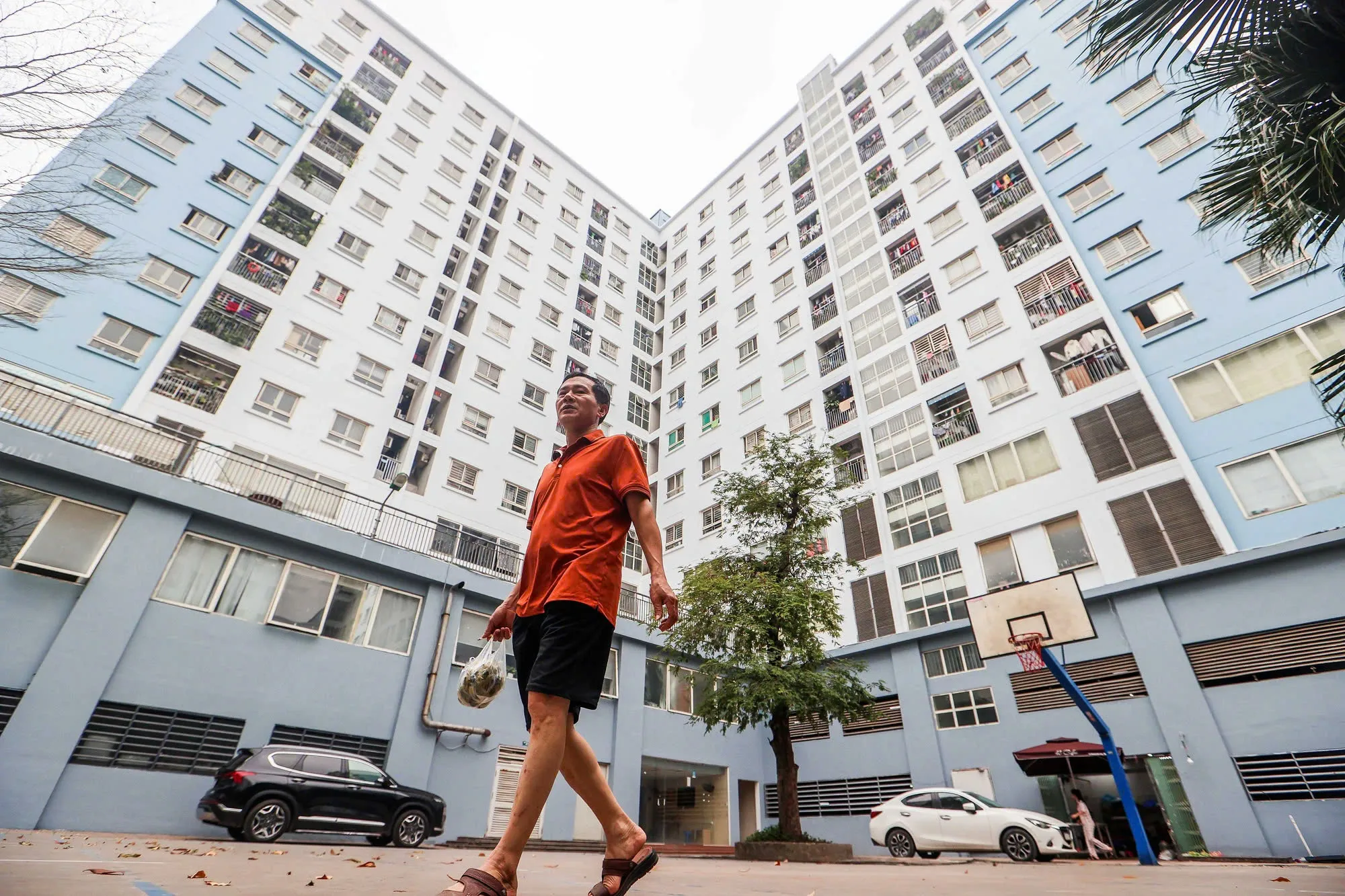
HCMC Urges Urgent Classification for Rental Housing Projects
Ho Chi Minh City has proposed to the government an 'urgent' classification for rental housing projects to address shortages for workers and civil servants. This aims to streamline development approvals and enhance investment incentives.
Ho Chi Minh City has urgently petitioned the government to classify rental housing projects as 'urgent' to address the significant shortage of housing for workers, civil servants, and armed forces personnel. This move aims to streamline the development approval process and boost investment in the sector. According to the Department of Construction, current data on various forms of rental housing remains insufficient, prompting ongoing sociological surveys to assess the actual status and demand across different population groups. This data is crucial for setting accurate development targets aligned with the city's socio-economic conditions. The existing legal framework for rental housing is incomplete, lacking robust mechanisms to incentivize large-scale rental housing funds. Consequently, HCMC has called for comprehensive policy reforms from the Ministry of Construction to the Government, focusing on financial, credit, and investment incentives. An 'urgent' classification would allow developers to bypass the standard investment policy approval stage, proceeding directly to investor recognition, planning, land allocation, and construction permits. The city plans to offer financial support and significant exemptions or reductions in land use fees, land rent, VAT, and corporate income tax to attract private sector participation. Recognizing the long capital recovery cycles in rental housing, HCMC proposes specific financial measures, including a dedicated credit package with stable low interest rates (3-4% per annum or 1.5-2% above deposit rates) and interest subsidies covering 70-80% of commercial lending rates for the first 10 years of operation. The city also suggests leveraging land within industrial zones for worker housing and offering incentives to developers who dedicate a portion of their commercial projects to rental housing. Simplifications in planning and land governance are also being introduced. For areas deemed suitable for housing, density and infrastructure connectivity will be determined based on general plans, facilitating investor selection and project approval by reducing procedural hurdles. Information source: Vietnam Insider
多角的分析
ホーチミン市が賃貸住宅プロジェクトの「緊急」分類を求める動きは、ベトナム経済、特に都市部における住宅供給の構造的な課題を浮き彫りにしている。労働人口の都市部への集中と、それに追いつかない住宅供給能力が、賃貸住宅市場の逼迫を招いている。政府によるインセンティブ強化や手続き簡素化は、不動産開発への投資を促進し、建設セクターの活性化に繋がる可能性がある。しかし、低金利融資や利子補助は財政負担となり得るため、持続可能な財政計画が求められる。また、長期間にわたる資本回収サイクルは、開発業者のリスク許容度を低下させる要因であり、これらの施策がどの程度投資家のリスクを軽減できるかが、市場の反応を左右するだろう。
投資家にとって、ホーチミン市の提案は、賃貸住宅市場への参入障壁を下げる魅力的な機会となり得る。特に、開発許可プロセスの簡素化と、土地利用料や税金の減免は、初期投資コストと運営コストの削減に直結する。低金利融資や利子補助は、事業の収益性を向上させ、長期的な投資回収の見通しを改善するだろう。しかし、ベトナムの不動産市場は、政策変更のリスクや、市場の需給バランスの変動に影響を受けやすい。投資家は、提案されたインセンティブの具体的な実施内容や、将来的な政策の安定性を慎重に見極める必要がある。
ホーチミン市における賃貸住宅不足は、多くの低・中所得者層の生活に直接的な影響を与えている。特に、地方から都市部へ働きに来た労働者や、公務員、軍関係者などは、手頃な価格で安定した住居を確保することが困難な状況に直面している。今回の提案が実現すれば、彼らの住環境の改善に繋がり、生活の質向上に貢献する可能性がある。しかし、インセンティブが大規模開発業者に偏り、結果的に手頃な価格の住宅供給に繋がらない、あるいは、開発が都市部の景観やインフラに過度な負荷をかけるといった懸念も存在する。地域住民の生活摩擦を避けるため、開発計画における住民参加や、持続可能な都市開発の視点が重要となる。
ホーチミン市は、労働者や公務員、軍関係者といった、社会の基盤を支える層への住宅供給という、市民生活の根幹に関わる課題に取り組んでいる。都市部への人口集中は、ベトナム経済成長の原動力であると同時に、住宅価格の高騰や賃貸住宅の不足といった社会問題を引き起こしている。今回の提案は、こうした構造的な問題に対し、政府主導で解決を図ろうとする試みである。市民の視点からは、提案されたインセンティブが、実際に手頃な価格の賃貸住宅の供給増加に繋がり、生活費の負担軽減に貢献することが期待される。一方で、開発プロセスが透明性を保ち、環境への配慮もなされるかどうかが、市民の信頼を得る上で重要となる。
背景・歴史的文脈
ベトナムでは、近年の急速な経済成長に伴い、都市部への人口流入が加速し、特にハノイやホーチミン市などの大都市では住宅不足が深刻化している。政府は「社会住宅」政策などを推進してきたが、労働者や公務員向けの賃貸住宅供給は依然として十分ではない。2014年の住宅法改正以降、賃貸住宅に関する法整備は進められてきたものの、開発コストの高さや回収期間の長さから、民間投資を呼び込むためのインセンティブが不足しているのが現状である。今回のホーチミン市の提案は、こうした背景を踏まえ、より実効性のある政策を中央政府に働きかける試みと言える。
原文ソース
Vietnam Insider