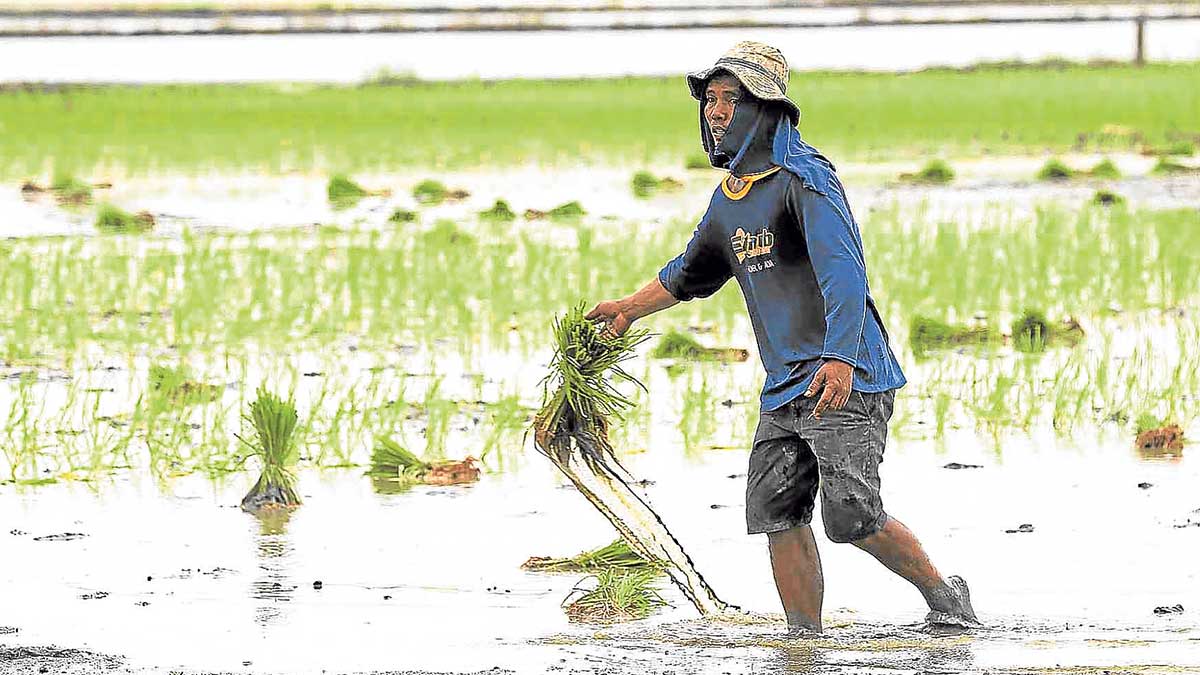
Philippines to Boost Supply of High-Quality, High-Yield Rice Varieties Next Year
Economy
2026年7月4日
5
Inquirer NewsInfo

Philippines to Boost Supply of High-Quality, High-Yield Rice Varieties Next Year

AI サマリー

The Philippines' Department of Agriculture will prioritize the distribution of higher-quality and higher-yielding rice varieties starting next year to support farmer incomes affected by El Niño. A strategy to balance market demand with farmers' yield needs will be implemented.

The Department of Agriculture (DA) will prioritize the distribution of higher-quality and higher-yielding rice seeds next year to boost farmers’ incomes, which are threatened by the El Niño phenomenon. This initiative aims to address the current situation where farmers are forced to choose between high yields and high market value for their produce, thereby enhancing the profitability and sustainability of the Philippine rice industry. The Philippine Rice Research Institute (PhilRice) stated that the government will distribute seeds that produce better, softer-textured rice to increase farmers’ incomes, though the full impact is expected from the 2027 wet season. The country is currently at the peak of planting for the 2026 wet season (March to September), with planting for the 2027 dry season (September to March) set to begin after the September harvest. With two months remaining until the September harvest, the Philippines has rice stocks of 2.35 million metric tons. Agriculture Secretary Francisco Tiu Laurel Jr. has ordered a temporary halt to rice imports to stabilize grain prices. PhilRice has recalibrated its seed distribution strategy to strike a balance between high-yield harvests and the rising consumer demand for better quality rice. This strategy is the outcome of extensive consultations with farmers, seed growers, rice traders, millers, and local government officials. Each region will identify five priority varieties using a “2-2-1” seed strategy: two varieties for high yield, two for good eating quality, and one variety with tolerance to climate-related stresses such as flooding, drought, and salinity. Starting next year, high-yield varieties like NSIC Rc 582, Rc 626, and Rc 216 will still constitute about half of the supply, while premium varieties such as NSIC Rc 218SR will account for 25 percent. With the addition of stress-tolerant, soft-textured options like Rc 480 and Rc 534, the share of high-quality rice could reach as much as 45 percent of the total supply, according to PhilRice. Seed distribution is one of the components of the Rice Competitiveness Enhancement Fund (RCEF), aimed at improving rice farmers’ income and competitiveness through various interventions. RCEF was created under the Rice Tariffication Law with an annual budget of P30 billion. Earlier, Secretary Tiu Laurel assured farmers of the country’s sufficient supply of fertilizer and promoted the use of local biofertilizers, such as those produced by Agri Specialists Inc. and developed by University of the Philippines Los Baños researchers. These local fertilizers can replace up to two 50-kilogram bags of urea per kilogram at a fraction of the cost of those sourced from Indonesia, China, Japan, Brunei, Malaysia, and Vietnam. Furthermore, President Marcos has committed to sourcing P45 billion needed for agricultural programs, including transport and fertilizers.

多角的分析

経済的影響

フィリピンの米産業は、国内消費の大部分を賄う基幹産業であり、農家所得に直結する。エルニーニョによる気候変動リスクは、収量不安定化を通じて農家の経済的困窮を招き、ひいては国内の食料安全保障にも影響を与えうる。今回の戦略転換は、単なる品種改良に留まらず、市場の嗜好(高品質米への需要増)と生産現場の現実(高収量への期待)をデータに基づいて調整しようとする試みである。これは、経済的持続可能性を高めるための、政府による市場介入の一環と見なせる。米の輸入一時停止措置も、国内生産者の保護と価格安定化を狙った短期的な経済政策として機能するだろう。

投資家心理

投資家にとって、このニュースはフィリピンの農業セクター、特に米生産に関連する企業への潜在的な影響を示唆している。高品質米品種へのシフトは、種子会社、肥料メーカー、そして最終的に高品質米を扱う流通・小売業者にとって新たなビジネスチャンスを生む可能性がある。一方で、高収量品種の供給が維持されることは、既存の生産体制への投資が継続されることを意味する。しかし、気候変動への耐性を持つ品種への投資は、長期的なリスクヘッジとして重要視されるべきである。また、米の輸入政策の変動は、穀物トレーダーや関連サプライチェーンへの影響も考慮する必要がある。

社会的影響

この新しい種子戦略は、フィリピンの数百万の米農家の生活に直接的な影響を与える。これまで収量を最優先してきた農家が、食味や品質といった市場の要求に応える品種への転換を迫られる可能性がある。この移行がスムーズに進むためには、農家への技術指導や、新しい品種に対応した栽培方法の普及が不可欠である。また、食味の良い米の価格が上昇すれば、低所得層の食料アクセスに影響が出る可能性も否定できない。地域ごとの「2-2-1」戦略は、多様な気候条件や土壌に適応した品種開発を促すが、その実施には地方自治体との緊密な連携が求められる。特に、気候変動に強い品種の普及は、災害に脆弱な地域コミュニティのレジリエンス向上に貢献すると期待される。

市民の声

フィリピン国民、特に米を主食とする人々にとって、この政策は食卓に上る米の質と価格に影響を与える可能性がある。高品質米へのシフトは、より美味しい米を食する機会を増やす一方で、価格上昇を招くことも考えられる。食味と収量のバランスを取るという戦略は、消費者の多様なニーズに応えようとする意図が見える。また、米の輸入停止措置は、短期的な価格安定に寄与するかもしれないが、長期的な供給能力の確保が課題となる。気候変動への耐性を持つ品種の導入は、将来的な食料供給の安定化に繋がるため、国民の食料安全保障に対する安心感を高めるだろう。

背景・歴史的文脈

フィリピンは熱帯モンスーン気候に属し、米は主要作物である。しかし、エルニーニョ現象による干ばつや、ラニーニャ現象による洪水は、米の収量に大きな影響を与えてきた。過去にも、気候変動による収量低下が食料価格の高騰や輸入依存度の増加を招き、経済的・社会的な不安定要因となった事例がある。2019年に施行された米関税化法は、米の輸入自由化と引き換えに、農家支援のための基金(RCEF)を設立したが、その効果には議論がある。今回の政策は、こうした歴史的背景を踏まえ、気候変動への適応と市場ニーズへの対応を同時に図ろうとする試みである。

原文ソース

Inquirer NewsInfo

原文を読む