General articles are free for 24 hours after publish.
Bicol music sings of 'good governance': Local artists push for social change
In the Philippines' Bicol region, musician Karl Ramirez and his band Kilyab are championing 'Bicol pop,' a genre reflecting community stories and challenges. Through the youth development program Pagsibol, they're using music as a vehicle for social change and a call for good governance.
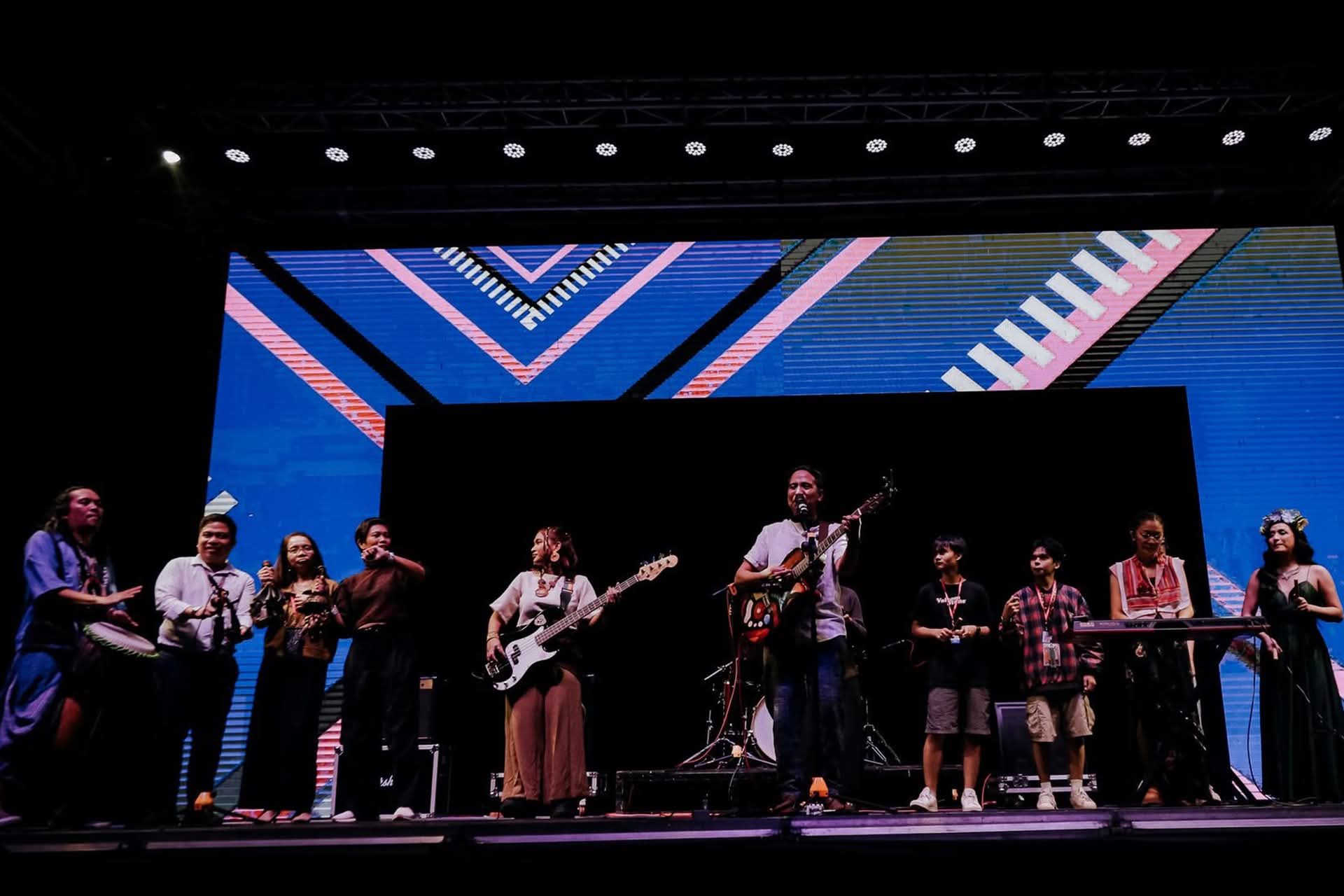
From the dimly lit corners of local bars and cafes in Naga City, Karl Ramirez and his band, Kilyab, are transforming community narratives, heritage, and aspirations into 'Bicol pop,' fostering a music movement rooted in the region. This initiative is providing a platform for the younger generation of musicians to voice the untold stories of their communities. Ramirez, a veteran of the music industry, returned to Bicol during the pandemic. As a founding member of Musika Publiko, a nationwide network of artists dedicated to advancing socially relevant music, he sought to localize the group’s advocacy. Starting without financial backing, Ramirez and his band initially had to persuade reluctant bar and cafe owners to grant them a stage. Soon, their music fueled the community’s rapid growth and popularity, with venues inviting them back. 'Bicol pop' has evolved into a platform for local causes, weaving community struggles into its songs. To sustain this momentum, the organization formed Pagsibol, an initiative that trains aspiring musicians, particularly the youth, to write songs about their local experiences in their native language, using music as a driver for social advocacy. Pagsibol functions as a structured platform for training enthusiasts in songwriting and music production, extending beyond artist development to focus on empowering broader communities through local skills training. Ramirez recalled inviting then-presidential candidate Leni Robredo to a concert in 2024 at the Jesse M. Robredo Coliseum, where they presented her with a 'Bicol pop roadmap' and policy proposals for the Naga City music industry. Following her election, the movement established a collaborative partnership with the local government, placing 'active listening' at the center of the city’s good governance agenda. Ramirez noted that if such a partnership can thrive in Naga, there is immense potential for other local government units to provide genuine backing for artists working to preserve and promote their local heritage. In August 2026, he also served as the lead composer and music producer for 'Ibalong Z: A New Bikol Musical,' funded by the City Government of Legazpi, writing and producing 17 original songs in just 17 days. This production proved that with proper support, local artists can rival mainstream productions. Students of Pagsibol are fully supported if they choose to pursue mainstream careers, with Bicol pop serving as a 'springboard' for emerging artists to introduce their work to broader audiences and share regional stories with the national music scene. Ramirez hopes that wherever their success takes them, musicians will carry the movement with them. Through this hyperlocal music movement, artists gain a solid community to rely on—a network that offers support wherever their careers lead. Ultimately, the movement aims to empower budding musicians by giving them greater leverage in their creative expression and stronger control over their career trajectories. Ramirez shared, 'What we teach the youth goes beyond writing lyrics. We focus on how we, as a community, can support one another in artistic growth and management while advocating for artists’ rights and welfare. We also guide them as they navigate the music industry and hone their talent.' Ramirez and Kilyab continue to mentor Pagsibol’s emerging artists by immersing them in local communities. This hands-on approach ensures that every lyric accurately reflects the real issues, places, and people they write and sing about. – Rappler.com
Original source
Rappler Philippines