Indonesia Eyes UNESCO World Heritage Status for 67,800-Year-Old Rock Art
Culture
2026年7月12日
5
VOI English

Indonesia Eyes UNESCO World Heritage Status for 67,800-Year-Old Rock Art

AI サマリー

Rock paintings in Muna, Southeast Sulawesi, Indonesia, dating back approximately 67,800 years, are being prepared for UNESCO World Heritage nomination. Recognized as the world's oldest non-figurative rock art, efforts are underway to protect and study this significant discovery in human history.

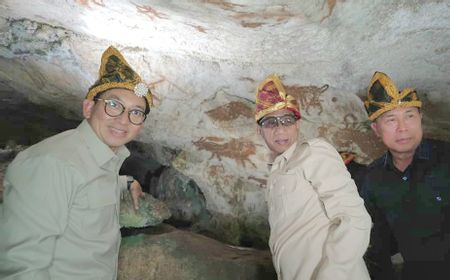
The rock paintings found in Metanduno Cave, Muna Regency, Southeast Sulawesi, Indonesia, dating back at least 67,800 years, are no longer just archaeological findings. The government is now actively preparing for their nomination as a UNESCO World Heritage Site. Minister of Culture Fadli Zon announced this during the opening of the Liangkobori IV Festival 2026 in Liangkobori Village, Muna, on Saturday (11/7). The government's commitment to protecting the area and preparing for the World Heritage nomination was strengthened following the publication of a study in January 2026, which confirmed the handprints in Metanduno Cave as the world's oldest rock paintings in the non-figurative art category, with a minimum age of 67,800 years. "Through this Liangkobori Festival, we reopen one of the important chapters in human history. Not only the history of Sulawesi or Indonesia, but also the history of the world," said Fadli. The research involved the National Research and Innovation Agency, Griffith University Australia, the Cultural Preservation Agency, and several international researchers. Fadli highlighted that these findings place Muna in a crucial position for the study of early human history and the development of rock art. Consequently, the protection of the site must not lag behind efforts to introduce it to the public. During his visit to Metanduno Cave, Fadli urged for the security and preservation of the prehistoric area, along with the acceleration of data collection for all rock painting panels through digital documentation and joint research. The Liangkobori area is a karst landscape featuring hundreds of prehistoric rock painting panels. The government plans to expedite the designation of the area as a national cultural heritage, bolster research, and prepare for the UNESCO nomination stages. However, any development must be based on conservation and scientific studies, with the local community playing an integral role in maintaining the site. Southeast Sulawesi Governor Andi Sumangerukka acknowledged Liangkobori's historical value and potential for cultural tourism, emphasizing that its utilization must not compromise the site's sustainability. Muna Regent Bachrun expressed the local government's desire to develop Liangkobori into a research center, a hub for cultural education, and a cultural-based tourist destination. The Liangkobori Festival itself showcases traditional arts, folk games, cultural exhibitions, local cuisine, and educational activities related to Muna's prehistoric era. The 67,800-year-old discovery presents both an opportunity and a significant responsibility for Muna. As the world begins to turn its attention to this site, the challenge lies in ensuring that traces from tens of thousands of years ago remain intact as visitor numbers increase.

多角的分析

経済的影響

この発見は、ムナ島および南東スラウェシ州にとって、文化観光を通じた新たな経済的機会をもたらす可能性がある。世界遺産登録は、国内外からの観光客誘致に繋がり、地域経済の活性化、雇用創ち、関連産業の発展を促進すると考えられる。ただし、開発は保全と両立させる必要があり、持続可能な観光モデルの構築が経済的恩恵を最大化する鍵となる。

投資家心理

このニュースは、直接的な投資機会を提示するものではないが、長期的な視点では、文化遺産保護と観光開発に関連するインフラ投資やサービス産業への関心を惹きつける可能性がある。世界遺産登録という目標は、地域開発への政府のコミットメントを示すものであり、安定した環境が整備されれば、間接的な投資リスクの低減に繋がるだろう。

社会的影響

ムナ島の地元コミュニティは、この発見の恩恵を受けると同時に、遺跡の保全という重責を担うことになる。観光客増加による生活様式への影響、文化遺産の保護と経済的発展のバランス、そして地域住民が遺跡の価値を理解し、その保全に主体的に関与できるような教育・啓発活動が重要となる。メタンドゥノ洞窟の岩絵という具体的な文化財が、地域社会のアイデンティティ形成や結束に寄与する可能性もある。

市民の声

ムナ島民にとって、自分たちの地域に世界最古級の歴史遺産があるという事実は、誇りとなるだろう。しかし、観光客の増加は、生活環境の変化や、場合によっては土地利用を巡る問題を引き起こす可能性もある。政府や自治体は、地元住民が遺跡の保全と観光開発の恩恵を享受できるよう、十分な説明と参加の機会を提供する必要がある。リアンコボリ・フェスティバルのようなイベントは、地域住民の関心を高める良い機会となる。

背景・歴史的文脈

インドネシアは、数千年にわたる豊かな歴史と多様な文化遺産を持つ。特に、先史時代の遺跡は、人類の進化や移動に関する重要な手がかりを提供する。ムナ島の岩絵は、2014年頃から学術的な注目を集め始め、その年代測定技術の進歩とともに、世界最古級であることが明らかになった。ユネスコ世界遺産への登録は、インドネシア政府が長年取り組んできた文化遺産保護政策の一環であり、過去にはボロブドゥール寺院、プランバナン寺院群などが登録されている。今回の発見は、インドネシアの考古学的な重要性を再認識させ、国際社会における文化遺産保護への関心を高める契機となる。

原文ソース

VOI English

原文を読む