General articles are free for 24 hours after publish.
Historic Glass Plates: A Vital Visual Record of Thailand's Past
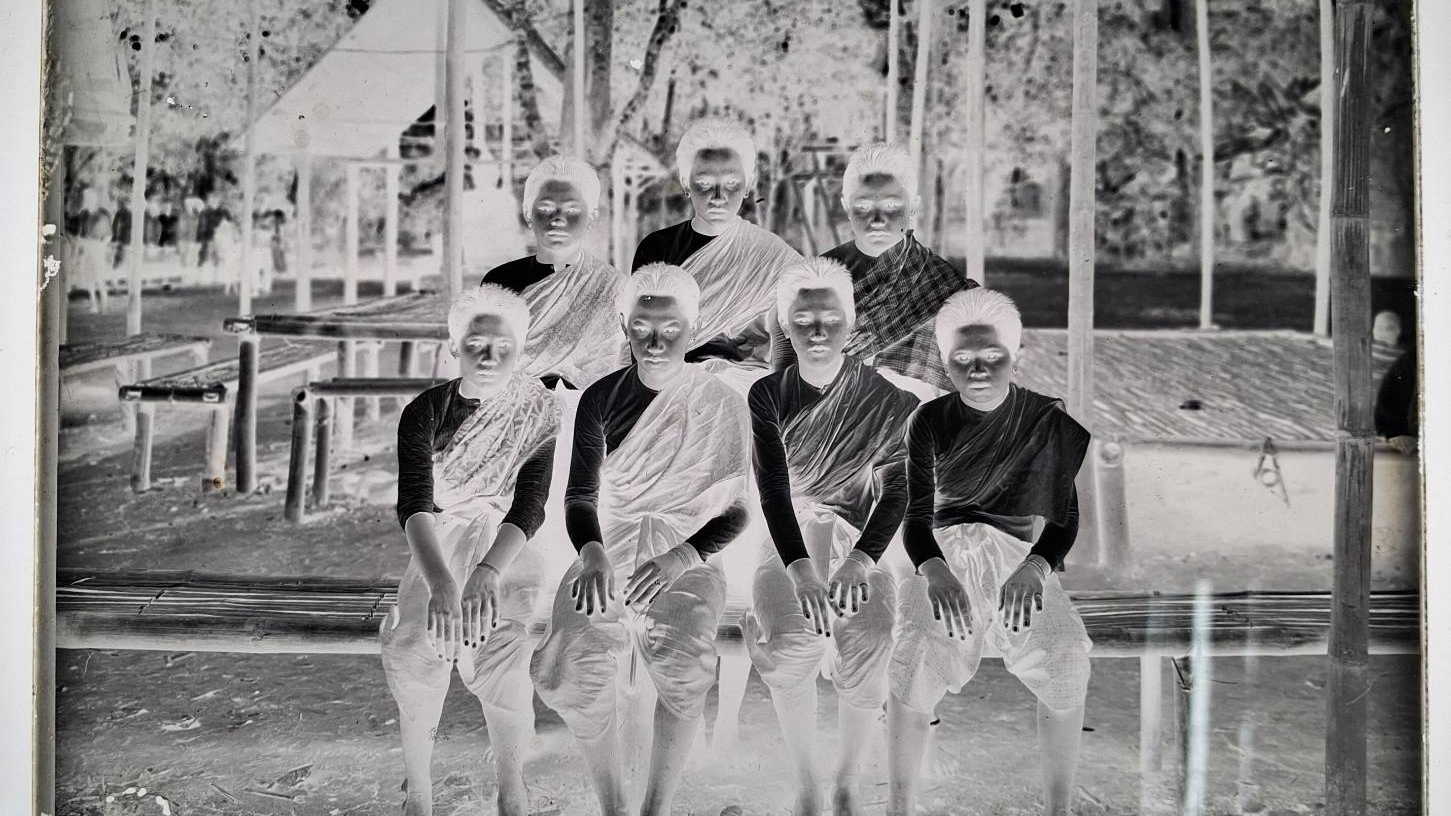
Thailand's Culture Minister highlighted the historical significance of glass plate negatives and photographs from the reigns of Kings Rama IV to VII, calling them a vital record of the nation's social, cultural, and political history. The collection, recognized by UNESCO, is being preserved and digitized for public access.
Thailand’s historic glass plate negatives and original photographs offer a visual record of the country’s social, cultural and political history, Culture Minister Sabida Thaiseth said on 24 September. Sabida said photography was introduced to Thailand by foreigners during the reign of King Rama III. During the reign of King Rama IV, the monarch commissioned a foreign photographer to produce a daguerreotype portrait of him, which was presented to Queen Victoria as a gesture of friendship between Siam and Britain. The collection of glass plate negatives and original photographs dating from the reigns of King Rama IV to King Rama VII is now preserved by the National Archives of Thailand. It includes personal photographs received from Prince Damrong Rajanubhab, as well as photographs of King Rama V and King Rama VI and materials from the Norasingha photographic studio. The collection was later transferred to the National Archives, where it is preserved as an important source for studying the history of photography in Thailand. Sabida said the photographs provide evidence of historical events and offer insight into changes in Siamese society, culture and politics, as well as the country’s relations with other nations during the era of Western colonial expansion in Asia. They also document social conditions around World War I and political, social and cultural changes around the world that affected Siam. The Vajirañāṇa Royal Library glass plate negatives and photographs collection was inscribed on UNESCO’s Memory of the World Register on 30 October 2017, recognising its historical significance. The Fine Arts Department and National Archives of Thailand preserve the fragile glass plates and photographs under controlled environmental conditions to slow deterioration caused by their chemical composition and changing environmental conditions. Because the original glass plates cannot be made directly available for public use, the National Archives has transferred their contents into other formats, including photographic prints and digital files. The National Archives also works with experts from various fields to carefully document and identify the photographs. The experts include Thongthong Chandransu and Peerasri Povatanongor, as well as local government agencies and international scholars. The digital collection is available through the National Archives of Thailand’s website, while photographs are also made accessible through exhibitions, books and public discussions. Sabida said these efforts aim to preserve Thailand’s cultural heritage and make historical materials accessible to current and future generations. The post Historic glass plates offer vital record of Thailand’s history, culture appeared first on Khaosod English.
Original source
Khaosod English