Mixed Fuel Price Adjustments Expected Next Week Amid Geopolitical Tensions
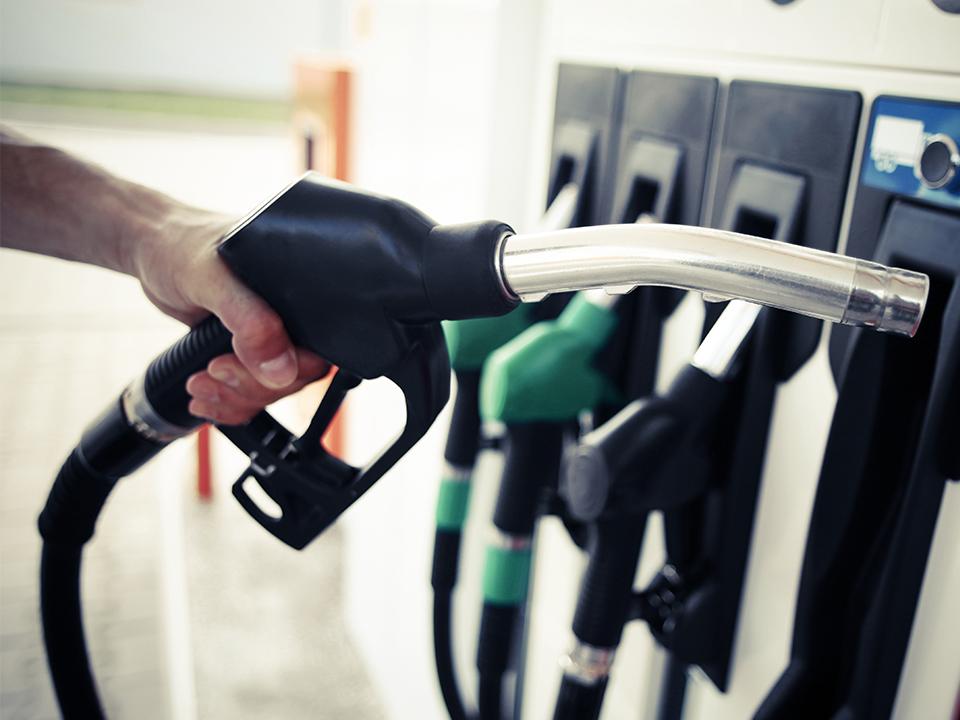
Mixed fuel price adjustments are expected in the Philippines next week, with gasoline prices potentially decreasing while diesel may see an increase. Attacks on commercial vessels in the Strait of Hormuz and US-Iran military actions have heightened market uncertainty.
This article requires PRO
This article is outside the free access window or is a special report. PRO unlocks it and the full archive.
Related articles
- PEZA Nears P300 Billion Investment Goal Amid Surge
The Philippine Economic Zone Authority (PEZA) is nearing its P300 billion investment target for the year, with investment approvals surging 92% to P297.14 billion from January to September. This encompasses 222 projects expected to generate $8.95 billion in exports and create 33,331 direct jobs.
- Philippine Stocks Tumble on Soaring Inflation
The Philippine stock market plunged after the country's September inflation rate hit a three-year high of 7.2 percent. Concerns over potential additional interest rate hikes by the central bank weighed on investor sentiment.
- PLDT Defers VITRO Data Center Listing Amid Economic Headwinds
Philippine telco giant PLDT Inc. has postponed the planned initial public offering (IPO) of its data center arm, VITRO Inc., to 2027, citing rising interest rates and worsening economic conditions as key factors for the deferral.
- PhilHealth Faces 2027 Budget Shortfall, Health Groups Demand Transparency
Philippine healthcare organizations are calling for an additional P37.6 billion for the Philippine Health Insurance Corp. (PhilHealth) for 2027, citing a projected budget shortfall. They also demand greater transparency and accountability for the Medical Assistance for Indigent and Financially Incapacitated Patients (MAIFIP) fund, urging its abolition.