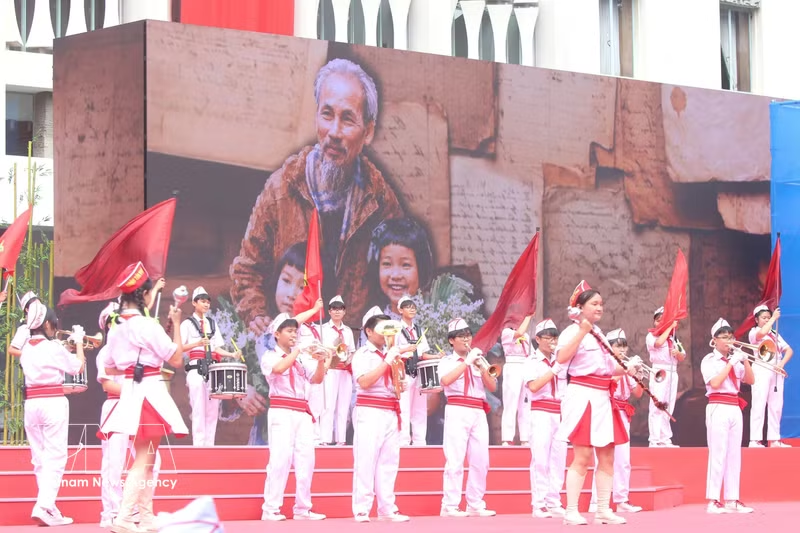
Ho Chi Minh City Celebrates 50 Years Since Renaming
Ho Chi Minh City commemorated the 50th anniversary of its renaming after President Ho Chi Minh on July 2. The city, formerly Saigon-Gia Dinh, celebrated with a ceremony attended by the State President, highlighting its development.
Ho Chi Minh City on July 2 held a grand ceremony to mark the 50th anniversary of Saigon-Gia Dinh city being officially named after President Ho Chi Minh. Party General Secretary and State President To Lam attended and delivered a speech at the event. He lauded the city's remarkable development over the past half-century and President Ho Chi Minh's enduring contributions to the nation's founding and development. To celebrate this milestone, Ho Chi Minh City organized special events, including a debut "water fireworks" display illuminating the night sky and a 3D mapping art show recounting the city's 50-year history. These spectacles served to honor the city's past and signify its aspirations for the future. The renaming of Saigon-Gia Dinh city to bear President Ho Chi Minh's name officially occurred in 1976, following the end of the Vietnam War. This act symbolized Vietnam's reunification and the establishment of its socialist system. Since then, Ho Chi Minh City has grown into Vietnam's economic powerhouse, experiencing rapid development. It has actively attracted foreign investment, fostering growth in manufacturing, services, and technology sectors, alongside rapid urbanization. Following the transition from a centrally planned economy to a market economy under the Doi Moi policy, the city has strengthened its role as an economic hub, benefiting significantly from open-door policies. While its economic ties with China are substantial, its geopolitical importance is growing, with Vietnam strategically balancing its relationships, enhancing ties with countries like the United States and Japan, partly due to regional issues such as the South China Sea. This 50th anniversary celebration serves not only as a reflection of the past but also as a symbol of Vietnam's economic growth and its rising stature in the international community. Citizens take pride in the city's history and future, anticipating further progress.
多角的分析
ホーチミン市の50周年記念は、ベトナム経済のダイナミズムを象徴しています。1976年の改称以降、特にドイモイ政策(1986年〜)による市場経済導入以降、同市は外国直接投資(FDI)の主要な受け皿となり、製造業、サービス業、テクノロジー分野で顕著な成長を遂げました。GDPの約25%を占める同市の経済的貢献は、ベトナム全体の経済成長を牽引する原動力となっています。過去の計画経済から現在の開放的な市場経済への移行は、同市の経済構造を大きく変容させ、国際的なサプライチェーンにおけるその地位を確立しました。中国との経済的依存関係がある一方で、米国や日本との関係強化は、経済的リスク分散と技術移転の観点からも重要です。
ホーチミン市の50周年は、ベトナムへの投資機会の継続的な拡大を示唆しています。同市は、インフラ開発、都市化、そして成長する中間層による消費の増加により、投資家にとって魅力的な市場であり続けています。特に、製造業、不動産、テクノロジー分野への投資は、経済成長の恩恵を受ける可能性が高いです。しかし、投資家は、ベトナムの一党体制下での政策変更リスク、土地所有権や労働法などの規制、そして中国との地政学的な緊張がもたらす潜在的な影響も考慮する必要があります。過去の事例では、政府の経済特区政策やインセンティブが、外国投資を呼び込む上で重要な役割を果たしてきました。
ホーチミン市の改称50周年は、ベトナム国民、特に同市住民にとって、国家の統一と発展の歴史を振り返る機会です。しかし、急速な都市化と経済成長は、社会的な格差の拡大、交通渋滞、環境問題といった課題も生み出しています。例えば、都市部での生活費の上昇は、地方からの移住者や低所得者層にとって大きな負担となっています。また、過去の戦争の記憶と現在の経済発展との間の世代間の認識の違いも、社会的なダイナミクスに影響を与えています。今回の記念式典は、過去の偉業を称えるとともに、将来の社会課題への取り組みを促す機会ともなり得ます。
ホーチミン市は、サイゴン・ザーディン市から現在の名前に変わって50年になります。この間、市はベトナム経済の中心地として目覚ましい発展を遂げました。しかし、多くの市民は、急速な都市化と経済成長の恩恵を受ける一方で、交通渋滞の深刻化や物価の上昇といった生活上の困難にも直面しています。特に、若い世代は、より良い雇用機会を求めて都市部に流入していますが、競争の激化や生活コストの高さに悩む声も聞かれます。今回の記念行事は、市民に市の歴史への誇りを感じさせると同時に、将来の都市開発における生活の質向上への期待を高めるものでもあります。
背景・歴史的文脈
サイゴン・ザーディン市がホー・チ・ミン主席の名を冠するようになったのは、1976年、ベトナム戦争終結と南北統一後のことです。それ以前は、南ベトナムの首都サイゴンとして機能していました。この改称は、ベトナム社会主義共和国の成立と、統一国家としての新たな始まりを象徴する出来事でした。1986年に開始されたドイモイ(刷新)政策以降、ベトナムは市場経済化を進め、ホーチミン市はその経済改革の最前線として、外国からの投資を積極的に誘致し、急速な経済成長を遂げてきました。この都市は、ベトナム経済の牽引役として、国際的なサプライチェーンにおける重要性を増しています。
原文ソース
VietnamPlus English