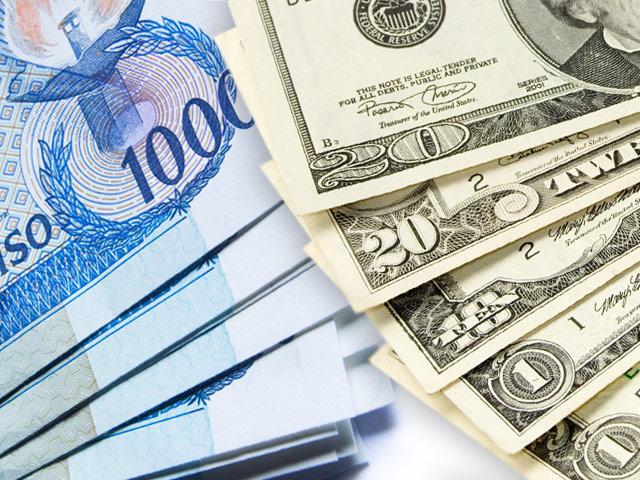
Philippine Peso Extends Recovery Against US Dollar
The Philippine peso continued its recovery for a second straight day, closing at P61.62 against the US dollar, buoyed by cooler-than-expected US inflation data that reduced expectations of a further Federal Reserve rate hike.
The Philippine peso continued its recovery against the US dollar for the second straight day on Thursday, as cooler-than-expected US inflation data reduced the odds of a further rate hike by the US Federal Reserve. The local currency gained 6.6 centavos to close at P61.62:$1 from Wednesday’s finish of P61.686:$1. "The US dollar versus major global currencies corrected slightly lower recently to near one-month lows or since June 18, 2026, after the better-than-expected inflation data that reduced the odds of a possible +0.25 Fed rate hike to December 2026," said Rizal Commercial Banking Corp. chief economist Michael Ricafort. The US Bureau of Labor Statistics reported that the consumer price index decreased by 0.4% in June, down from 0.5% in May. This slowdown in inflation has contributed to a relative weakening of the US dollar, benefiting emerging market currencies like the Philippine peso. "The US dollar-peso exchange rate again slightly lower, also after Brent crude oil price slightly lower at $84 per barrel levels (versus the previous trading day’s $86)," Ricafort said. The economist noted that the peso exchange rate was relatively stable versus the US dollar recently amid possible intervention by the Bangko Sentral ng Pilipinas (BSP) against market volatility at P61.60-P61.70 range highs recently. Also supporting the local unit was a possible future BSP rate hike, especially on the next rate-setting meeting on August 27, 2026, to help stabilize the peso exchange rate, importation costs, and, in turn, also better manage inflation and inflation expectations, according to Ricafort.
多角的分析
米国のインフレ鈍化は、フィリピン経済にとって輸入コストの抑制とインフレ圧力の緩和に直結する。特に、ペソ安は輸入品価格の上昇を通じて国内インフレを悪化させる要因となりうるため、今回のペソ回復はインフレ管理の上でプラスに働く。さらに、フィリピン中央銀行(BSP)による追加利上げの可能性が示唆されていることは、ペソの安定化と資本流出の抑制に寄与し、国内経済の安定化に一段と貢献すると考えられる。ただし、原油価格の動向も依然として輸入コストに影響を与えるため、注視が必要である。
米国のインフレ鈍化とそれに伴うFRBの利上げ観測後退は、新興国市場への投資リスクを低下させる要因となる。フィリピンペソの回復は、海外からの投資家にとって為替リスクの低減を意味し、フィリピン株式市場や債券市場への投資意欲を高める可能性がある。BSPによる利上げの可能性は、金利妙味を求める投資家にとっても魅力となりうる。しかし、世界経済の不確実性は依然として存在するため、投資家は引き続き慎重な姿勢を維持すると見られる。
ペソの安定化は、フィリピン国民の購買力維持に不可欠である。特に、輸入物価の上昇は生活必需品の価格高騰に直結し、家計を圧迫する。今回のペソ回復は、食料品や燃料などの価格安定に寄与し、特に低所得者層の生活改善につながる可能性がある。また、海外からの送金が多いフィリピンにおいて、ペソ高は送金受取人の実質的な購買力を高める効果もある。
今回のペソ回復は、マニラ首都圏の市民にとって、輸入品価格の安定化という形で直接的な恩恵をもたらす可能性がある。特に、食料品や燃料の価格が安定すれば、日々の生活費の負担が軽減される。しかし、インフレが完全に抑制されたわけではなく、また、世界経済の動向によっては再びペソが下落するリスクも残るため、市民は引き続き物価の動向に注意を払う必要がある。海外で働くフィリピン人(OFW)からの送金がペソ建てで受け取られる場合、ペソ高は彼らの家族にとって朗報となる。
背景・歴史的文脈
フィリピンペソの為替レートは、米国の金融政策、特に連邦準備制度理事会(FRB)の金利動向に大きく影響される。過去、FRBが利上げを行う局面では、新興国通貨からの資本流出が起こりやすく、ペソも下落圧力を受けてきた。逆に、FRBが緩和的な金融政策をとったり、インフレが鈍化したりすると、ペソは回復する傾向にある。また、フィリピン国内のインフレ率や、中央銀行(BSP)の金融政策スタンスもペソの安定に重要な役割を果たす。BSPは、インフレ抑制と経済成長のバランスを取りながら、必要に応じて利上げや為替介入を行うことで、ペソの急激な変動を抑えようとしている。
原文ソース
GMA Money Philippines