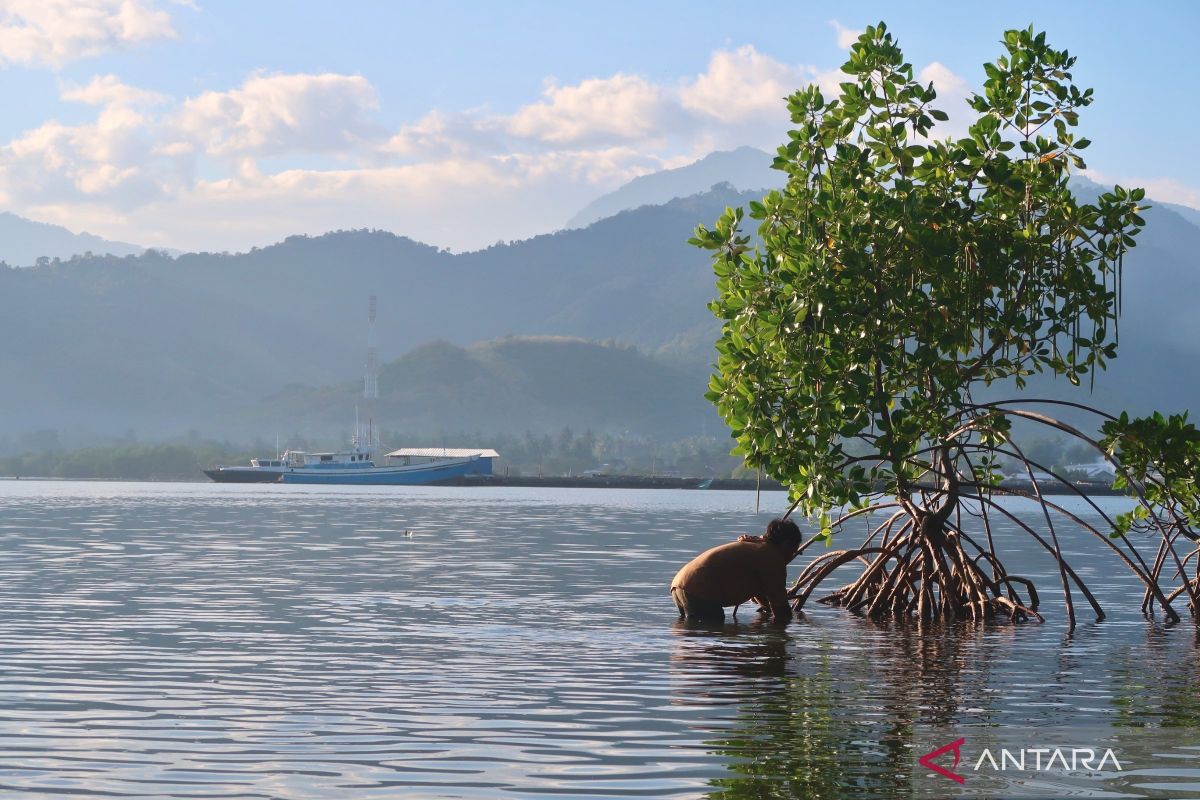
Indonesia Promotes Mangrove Restoration for Environmental Healing
Environment
2026年7月8日
3
Antara News (English)

Indonesia Promotes Mangrove Restoration for Environmental Healing

AI サマリー

Indonesia is actively promoting mangrove forest restoration to combat coastal erosion, conserve biodiversity, and improve local livelihoods, recognizing its significance in climate change mitigation efforts.

Indonesia is prioritizing the restoration of mangrove forests as a key national initiative aimed at environmental healing and climate change mitigation. This endeavor is expected to contribute multi-dimensionally to preventing coastal erosion, conserving biodiversity, and enhancing the livelihoods of local communities. Mangrove forests, with their dense root systems, act as natural breakwaters, stabilizing coastlines and mitigating damage from high waves and tsunamis. They also serve as habitats for a diverse range of marine life, playing a crucial role in maintaining fishery resources. Furthermore, mangroves are known to absorb carbon dioxide at rates several times higher than other forests, making them significant carbon sinks in the fight against global warming. While Indonesia possesses one of the world's most extensive mangrove cover, its area has significantly declined over the past decades due to conversion for oil palm plantations, shrimp farms, and excessive logging. In response, the government is striving to restore lost mangrove areas through initiatives such as supporting tree-planting activities, public awareness campaigns, and the adoption of sustainable mangrove management practices. Environmental organizations, international agencies, and local communities are actively participating in these restoration projects, fostering a collaborative approach between the public and private sectors. Local residents are showing increased willingness to engage in the projects, anticipating new employment opportunities and increased income from the recovery of fishery resources. Mangrove restoration is increasingly recognized as a vital strategy for addressing Indonesia's environmental challenges and as a concrete action towards achieving the Sustainable Development Goals (SDGs). Source: Antara News (English)

多角的分析

経済的影響

インドネシアにおけるマングローブ再生は、沿岸漁業の回復や、エコツーリズムの潜在的な発展を通じて、地域経済に直接的な恩恵をもたらす可能性がある。また、炭素クレジット市場への参入も視野に入れれば、新たな収益源となり得る。しかし、大規模な植林やその維持管理には相当な初期投資と継続的な資金が必要であり、その財源確保が課題となる。過去の事例では、植林プロジェクトが資金不足や管理体制の不備により頓挫したケースもあり、持続可能な経済モデルの構築が不可欠である。

投資家心理

マングローブ再生プロジェクトは、ESG投資の観点から注目を集める可能性がある。特に、気候変動対策や生物多様性保全に貢献するプロジェクトは、環境意識の高い投資家にとって魅力的な投資機会となり得る。しかし、短期的な収益性が低い場合が多く、投資回収には長期的な視点が必要となる。また、プロジェクトの透明性やガバナンストラブルが投資リスクとなる可能性も否定できない。カーボンクレジットの取引市場の動向も、投資判断に影響を与える要因となるだろう。

社会的影響

マングローブ林の減少は、沿岸部のコミュニティ、特に漁業に依存する人々の生活基盤を脅かしてきた。再生プロジェクトは、失われた漁場を回復させ、新たな雇用機会を創出することで、これらのコミュニティの生計向上に貢献する。一方で、土地利用を巡る住民間の利害対立や、再生活動への参加意欲の格差が生じる可能性もある。例えば、アブラヤシ農園など、より収益性の高い土地利用への転換を望む住民と、伝統的な漁業や自然環境の保全を重視する住民との間で、意見の相違が生じることが予想される。

市民の声

沿岸部の住民、特に漁師や地域コミュニティにとって、マングローブ再生は生活の安定に直結する問題である。マングローブの減少は、漁獲量の減少や、高波による住居への被害増加といった形で、直接的な影響を与えてきた。再生プロジェクトが成功すれば、漁業資源の回復や、自然災害からの保護強化が期待できる。また、植樹活動への参加は、地域住民の環境意識を高め、コミュニティの連帯感を醸成する機会ともなり得る。しかし、プロジェクトの恩恵が地域全体に均等に行き渡るか、また、土地利用に関する過去の紛争が再燃しないかといった点も、市民生活における重要な関心事となるだろう。

背景・歴史的文脈

インドネシアにおけるマングローブ林は、その広大な海岸線に沿って古くから存在し、地域社会の生活と深く結びついてきた。しかし、1970年代以降、経済開発の加速とともに、アブラヤシやパーム油生産のための農地転換、エビ養殖池の建設、木材・紙パルプ産業のための過剰伐採などが原因で、マングローブ林は急速に減少した。この減少は、沿岸浸食の激化、漁業資源の枯渇、そして沿岸コミュニティの脆弱化といった深刻な環境・社会問題を引き起こした。2000年代に入り、気候変動への意識の高まりとともに、マングローブの持つ炭素隔離能力や沿岸保護機能が再評価され、政府および関連団体による再生への取り組みが本格化した。

原文ソース

Antara News (English)

原文を読む