Shark Liver Oil Business: A New Revenue Stream in Indonesian Fishing Villages
Economy
2026年6月30日
5
Mongabay Indonesia

Shark Liver Oil Business: A New Revenue Stream in Indonesian Fishing Villages

AI サマリー

In the fishing village of Tanjung Luar, East Lombok, Indonesia, a business centered on health products derived from shark liver oil is expanding. Fishermen are securing a new source of income by harvesting liver oil from shark catches and processing it for sale.

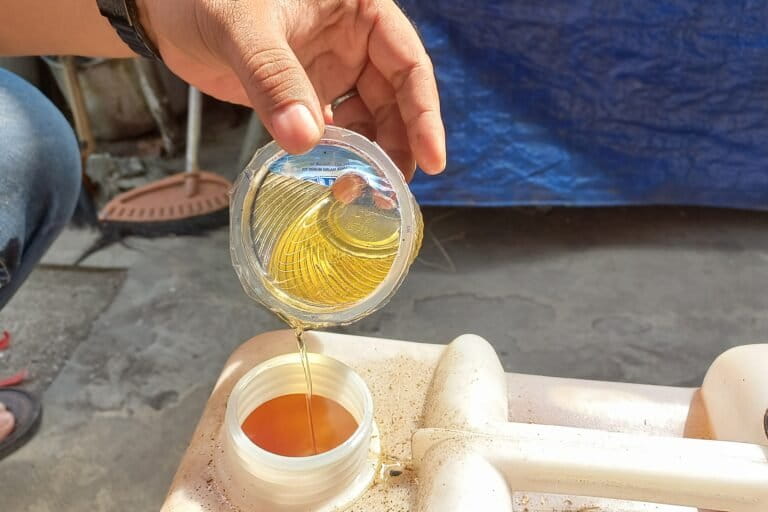
In the fishing village of Tanjung Luar, East Lombok, Indonesia, a business centered on health products derived from shark liver oil is quietly expanding. Shark fishing has a long history in this region, and in recent years, products processed from its liver oil have gained attention as a new source of income. A man using the pseudonym "Sul" markets health products primarily made from shark liver oil through social media platforms and online marketplaces. A 100ml liquid product is offered at Rp112,500, with a 60-capsule pack priced the same. Smaller and larger packages are also available, with diverse price points catering to consumer needs. Sul sources his raw materials directly from fishermen in Tanjung Luar. He then repackages the crude oil into bottles under his own brand. The capsule production is done manually using a press machine supported by the government. He purchases capsule shells and packaging bottles online. Sul consumes 4-5 liters of raw material monthly, easily obtainable from shark fishermen. Tanjung Luar is one of the main landing sites for shark fishermen. Fisherman "Abdulgus," who has been involved in shark fishing since 1999, sets sail primarily during the east wind season from October to April. He ventures out with two crew members on a fishing boat of approximately 5 GT, hunting sharks in the waters off Lombok, bordering the Indian Ocean, about 20 nautical miles from the coast. They employ bottom longlining with 400 hooks. The expansion of this business brings new vitality to the local economy, but it also raises questions about the sustainable use and protection of sharks. The impact on the environment and ecosystem of Tanjung Luar village also warrants future attention.

多角的分析

経済的影響

サメの肝油ビジネスは、タンジュン・ルアール漁村における新たな経済活動として、地域経済に貢献している。漁師はサメ漁の副産物である肝油を販売することで、従来の漁業収入に加えて収入源を多様化させている。加工・販売業者も、SNSやオンラインマーケットプレイスを活用し、低コストで広範な顧客層にリーチできるため、比較的低い初期投資で事業を展開できる可能性がある。これは、地方経済の活性化と雇用創ちの機会を生み出す一方で、原料となるサメの資源管理が不十分な場合、乱獲につながるリスクも内包している。

投資家心理

サメの肝油製品市場は、健康志向の高まりを背景に、潜在的な成長が見込まれるニッチ市場である。しかし、現時点では小規模な事業者が中心であり、サプライチェーンの透明性や品質管理体制が確立されていない可能性がある。投資家にとっては、現地の規制、サメの持続可能な漁業慣行、そして消費者の健康製品に対する信頼性といったリスク要因を慎重に評価する必要がある。将来的な市場拡大には、標準化された品質基準の導入や、環境認証の取得などが鍵となるだろう。

社会的影響

タンジュン・ルアール漁村におけるサメの肝油ビジネスは、地域住民に新たな収入機会を提供している。しかし、サメ漁の増加は、伝統的な漁業コミュニティの生活様式や、地域社会におけるサメの生態系への影響に対する懸念も生じさせている。特に、サメの保護や持続可能な漁業慣行に関する教育や啓発活動が地域社会に浸透しているかは不明であり、将来的な資源枯渇のリスクも伴う。また、SNSを通じた販売は、若年層の起業を促進する一方で、製品の安全性や効果に関する情報が正確に伝達されているかどうかも重要な課題である。

市民の声

タンジュン・ルアール漁村の市民にとって、サメの肝油ビジネスは、収入源の多様化という点で歓迎すべき動きである。特に、伝統的な漁業だけでは十分な収入が得られない状況下では、新たなビジネスチャンスは生活の改善に繋がる可能性がある。しかし、サメ漁の増加が海洋生態系に与える影響や、採取されるサメの種類、漁獲量などが地域住民の生活にどのような長期的な影響を与えるかについては、まだ十分な情報がない。もしサメが減少し、漁獲量が低下すれば、この新たな収入源も失われるリスクがある。

背景・歴史的文脈

インドネシア、特にロモク島東部のタンジュン・ルアール漁村では、伝統的にサメ漁が行われてきた。サメは食用や、その部位(ヒレ、歯など)が様々な用途で利用されてきた。近年、健康志向の高まりとともに、サメの肝油に含まれるスクアレンなどの有効成分が注目され、健康食品や化粧品原料としての需要が増加している。これにより、これまで副産物とみなされていた肝油が、新たな商品価値を持つようになり、漁師たちの収入源として、また新たなビジネスチャンスとして地域に根付き始めている。しかし、サメ漁の増加は、地域生態系への影響や、種の持続可能性に関する懸念も同時に引き起こしている。

原文ソース

Mongabay Indonesia

原文を読む