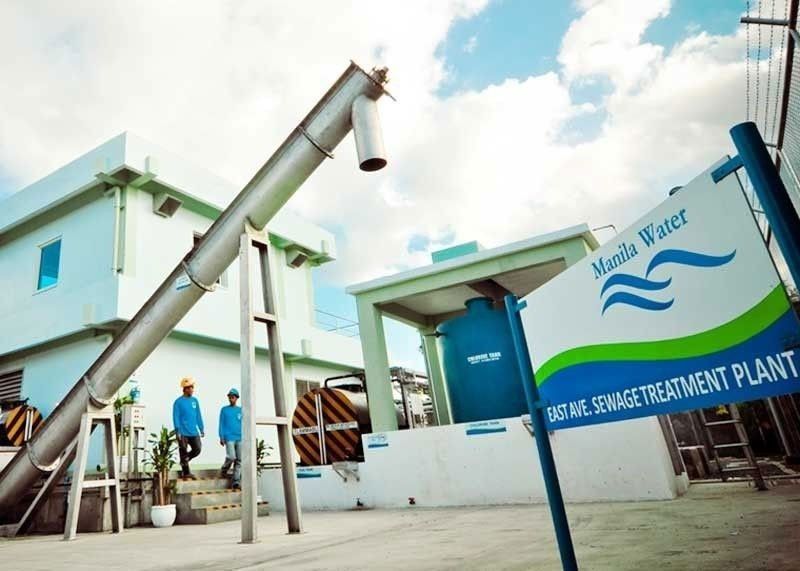
Manila Water to Open Two New Treatment Plants Amid Declining Angat Dam Levels
Manila Water is set to inaugurate two new treatment plants by year-end to reduce reliance on Angat Dam, amidst concerns of declining rainfall due to El Niño. These facilities are expected to significantly boost water supply capacity.
MANILA, Philippines — Amid the declining levels of Angat Dam, Manila Water Co. Inc. is banking on the opening of two treatment plants this year to augment its water supply. Manila Water chief operating officer Arnold Mortera said the company would have additional water sources by the end of the year to lessen its reliance on Angat Dam ahead of the approaching El Niño. He told reporters yesterday that the company might see “a little bit of reduction of allocation from Angat… but we have supplementary sources and activation of two water treatment plants in the last quarter this year.” The water concessionaire is set to complete phase two of its East Bay treatment plant by September, bringing an additional 200 million liters per day (MLD). The treatment plant extracts water from Laguna de Bay and is expected to service about two million residents in Pasig, Pateros and Taguig, as it sources water from the Upper Wawa Dam. The Kaysakat treatment plant, set for opening by October, will bring an additional 220 MLD of water to residents in Antipolo and other neighboring areas in Rizal province. The supplemental water supply will contribute to about 40 percent of demand from the east zone. Mortera assured Manila Water customers that there will be no interruptions of water supply for its concession area, despite the threat of lower-than-average rainfall due to El Niño. “The worst could be just lower pressure in some areas. It’s just weaker, but intentionally that should be off-peak hours, from 10 p.m. to 4 a.m.,” he said. The water in Angat Dam, Metro Manila’s major water source, has fallen below critical level, prompting a reduction of water allocation to 48 cubic meters per second from 52 CMS by the National Water Resources Board. Manila Water services Makati, Mandaluyong, Pasig, San Juan, Taguig, Marikina, Pateros and parts of Quezon City as well as towns in the province of Rizal.
多角的分析
エルニーニョによる水不足懸念は、農業や産業活動に影響を与える可能性がある。特に、水供給の不安定化は、製造業やサービス業における生産コストの上昇や、事業継続計画の見直しを迫る要因となりうる。マニラ・ウォーターによる新たな浄水場の稼働は、短期的な供給不安を緩和するものの、長期的な水資源管理とインフラ投資の必要性を示唆している。フィリピン経済全体としては、水インフラへの投資が、将来的な経済成長のボトルネック解消に不可欠である。
今回の発表は、インフラ関連企業、特に水道事業への投資家にとって、短期的なリスク低減要因となる。マニラ・ウォーターの供給能力強化は、同社の収益安定化に寄与する可能性が高い。しかし、エルニーニョの長期化や、他の地域での水不足が深刻化した場合、インフラ投資の必要性が増大し、政府や民間セクターへの資金調達圧力が強まることも考えられる。国際的なインフラファンドや開発金融機関の関心を引きつける可能性もある。
水不足は、特に低所得者層の生活に直接的な影響を与える。水価格の上昇や、断水による衛生問題は、公衆衛生上のリスクを高める。マニラ・ウォーターがサービスを提供する地域では、パテロスやリサール州の農村部など、脆弱なコミュニティが水供給の不安定化に最も影響を受けやすい。今回の対策は、これらの住民の生活水準維持に貢献するが、根本的な水資源の持続可能な利用と公平な分配が、長期的な社会課題として残る。
エルニーニョによる水不足の懸念は、マニラ首都圏の住民にとって、日常生活への直接的な影響を意味する。水圧の低下や、場合によっては断水が発生する可能性は、家事や衛生管理に支障をきたす。マニラ・ウォーターがサービスを提供する地域では、特に水の使用量が多い家庭や、水供給インフラが老朽化している地域で不安が高まる。新しい浄水場の稼働は、こうした不安を和らげる一助となるが、今後も継続的な水資源の確保と効率的な利用が住民にとって重要な関心事となる。
背景・歴史的文脈
フィリピン、特にメトロ・マニラ地域は、長年にわたり水不足のリスクに直面してきた。主要水源であるアンガットダムの水位は、降雨量に大きく依存しており、エルニーニョ現象による干ばつは、過去にも深刻な水供給の危機を引き起こしてきた。2019年には、大規模な断水が発生し、市民生活や経済活動に大きな影響を与えた。この経験から、フィリピン政府および水道事業者は、アンガットダムへの依存度を減らし、ラグナ・デ・ベイやワワダムなどの代替水源の活用、および水処理能力の強化を進める必要性に迫られている。今回の新浄水場の稼働は、こうした過去の教訓と、将来の気候変動リスクへの備えの一環である。
原文ソース
Philstar Nation