Cambodia's Dental Sector Navigates AI Era, Emphasizing Human Touch
Technology
2026年7月4日
7
CPP Cambodia

Cambodia's Dental Sector Navigates AI Era, Emphasizing Human Touch

AI サマリー

At Cambodia's annual dental conference organized by TYDA, Dr. Petch Chandmony stressed that despite advancements in AI and digital technology, the core values of dentists lie in building patient trust, listening, and ensuring safety. She emphasized technology as an aid, with ultimate responsibility resting on the clinician.

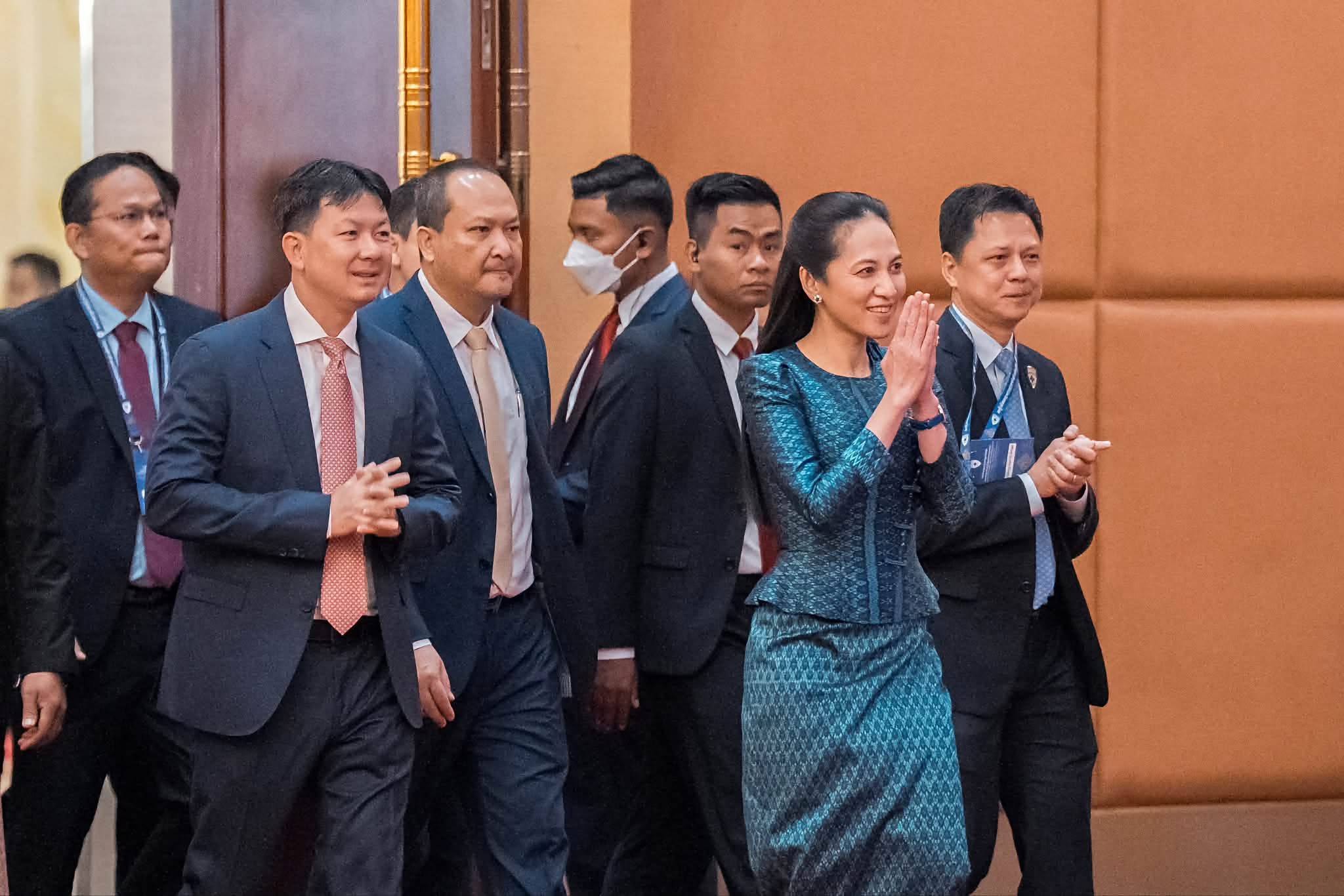
The annual dental conference organized by the Samdech Techo Hun Sen Young Doctors Volunteer Association (TYDA) was held in Phnom Penh, Cambodia. The conference, themed 'Promoting Advanced Dental Techniques,' took place on July 4, 2026, at the Sokha Phnom Penh Hotel. At the event, Dr. Petch Chandmony, Vice President of the TYDA Board of Directors, emphasized that even with the rapid advancements in technology, the core values of dentists lie in building patient trust, listening, and prioritizing patient safety. She stated, "Patients come to doctors, not to machines." Dr. Chandmony acknowledged the significant role digital technology and AI are playing in healthcare, offering more sophisticated and efficient services. However, she cautioned that these technologies are merely assistive tools and cannot replace the ultimate responsibility of the clinician. She clarified that in case of any errors made by AI, it is the doctor, not the AI, who bears legal responsibility. Cambodia's dental sector has seen remarkable progress, with advancements in modern equipment and techniques such as dental implants. Dr. Chandmony noted that this progress demands greater accountability from dentists and necessitates clear explanations of treatment options to patients. Furthermore, she stressed the imperative for all dentists to continuously enhance their skills and knowledge to keep pace with AI and informed patients. She highlighted that true treatment quality is measured not just by advanced equipment but by a dentist's competence, clear communication about the treatment process, and a high degree of ethics and responsibility – a departure from the practices of some past practitioners who provided treatment without adequate explanation, causing patient apprehension. Dr. Chandmony further encouraged the use of AI in diagnosing and treating dental and other general health conditions, provided it is coupled with professional ethics, morality, and compassionate care for patients. She presented five key points to the conference attendees: 1. Treat this conference as a genuine learning platform. 2. Continue sharing knowledge with colleagues and future generations. 3. Develop skills in line with technology, but do not lose professional ethics or etiquette. 4. Place the patient at the center of the profession, respecting them, explaining clearly, and taking high responsibility. 5. Continue to uphold TYDA's spirit of volunteerism and humanitarianism. Dr. Chandmony praised TYDA's dedicated efforts during the COVID-19 pandemic, natural disasters, and border conflicts. Beyond providing free medical services, TYDA plays a crucial role in enhancing knowledge, professionalism, and the quality of healthcare services in Cambodia through training and conferences that facilitate knowledge sharing across generations. TYDA, established in 2012, serves not only as a volunteer force for public health but also as a dynamic structure actively contributing to the advancement of Cambodia's medical knowledge, expertise, and service quality.

多角的分析

経済的影響

カンボジアの医療分野、特に専門性の高い歯科医療における技術投資は、国民の健康増進と医療サービスの質向上に直結する。AIやデジタル技術の導入は、医療従事者の効率化と診断精度の向上を促し、長期的に医療費の最適化に貢献する可能性がある。しかし、初期投資や技術習得のためのトレーニングコストは、特に地方の医療機関にとって大きな課題となりうる。TYDAのような組織による継続的な研修は、こうした格差是正に不可欠である。

投資家心理

カンボジアの医療・ヘルスケア分野は、経済成長と所得向上に伴い、投資対象として注目度を高めている。最新技術の導入は、高付加価値な医療サービスの提供につながり、国内外からの患者誘致や、医療ツーリズムの発展にも寄与する可能性がある。AIやデジタルヘルス関連企業にとって、TYDAのような先進的な医療団体との連携は、市場開拓の糸口となりうる。ただし、規制環境や技術標準の整備が今後の投資を左右する要素となるだろう。

社会的影響

AI技術の医療への導入は、診断の迅速化や個別化された治療計画の提供といった恩恵をもたらす一方、患者と医療従事者の間の人間的な繋がりや信頼関係の希薄化を招く懸念がある。ペッチ・チャンモニー博士が強調するように、患者は単なるデータではなく、感情や不安を抱えた人間である。医療従事者は、最新技術を駆使しつつも、共感、傾聴、丁寧な説明といった人間的なケアを維持・強化することが、患者の満足度と治療効果を高める上で極めて重要である。これは、技術進歩と人間的ケアのバランスをいかに取るかという、現代社会全体に共通する課題でもある。

市民の声

カンボジア市民、特に地方に住む人々にとって、最新の医療技術へのアクセスは依然として限られている。AIによる診断支援や高度な治療法は、都市部や裕福な層に恩恵が集中する可能性がある。ペッチ・チャンモニー博士が指摘した「患者は機械ではない」という言葉は、技術の進歩が医療の本質である人間的な関わりを損なってはならないという、市民の切実な願いを反映している。医療従事者が技術と人間性の両方を兼ね備え、公平なアクセスを確保することが、市民全体の健康と福祉の向上に不可欠である。

背景・歴史的文脈

カンボジアにおける医療サービスの質向上は、長年の課題である。特に、内戦による医療インフラの破壊と人材不足は、国民皆保険制度の確立や高度医療の提供を困難にしてきた。近年、政府は医療分野への投資を増やし、国際機関やNGOとの連携を強化している。TYDAのようなボランティア団体は、無料診療や医療従事者の研修を通じて、医療アクセスの改善と専門知識の普及に貢献してきた。AIやデジタル技術の導入は、こうした既存の取り組みを補完し、医療サービスの質を飛躍的に向上させる可能性を秘めているが、同時に技術格差や倫理的な課題も浮上している。

原文ソース

CPP Cambodia

原文を読む