Southern Vietnam's Hidden Coastal Gem Aims to Unlock Tourism Potential
Culture
2026年7月11日
5
VietnamPlus English

Southern Vietnam's Hidden Coastal Gem Aims to Unlock Tourism Potential

AI サマリー

Phuoc Hai commune, near Ho Chi Minh City, boasts pristine beaches, rich fishing traditions, and a tranquil atmosphere. With growing demand for sustainable, experience-based tourism, it is emerging as a promising new destination for domestic and international visitors.

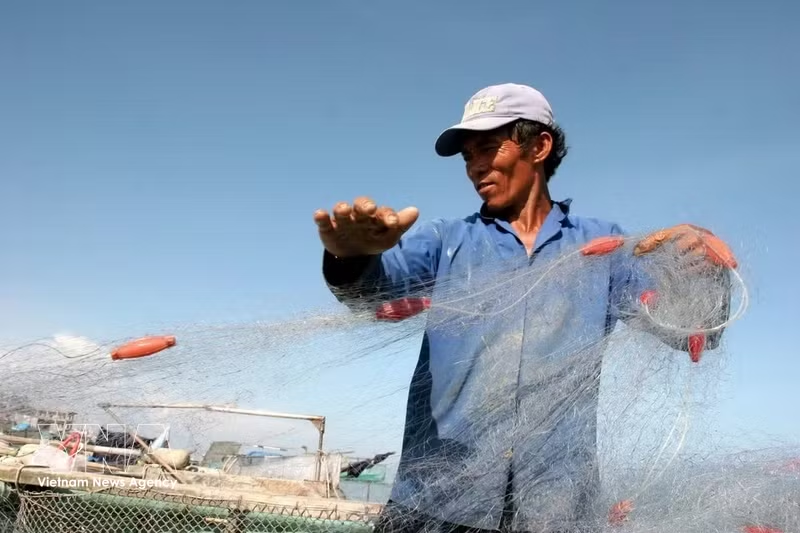
Nestled along the scenic coastline of southern Vietnam, Phuoc Hai commune, located near Ho Chi Minh City, is emerging as a hidden coastal gem. It boasts pristine beaches, a rich fishing tradition, and a tranquil atmosphere, positioning it as a promising new attraction for both domestic and international visitors amidst growing demand for sustainable and experience-based tourism. The commune offers a unique charm where beautiful natural landscapes merge with a vibrant fishing culture that has sustained the community for generations. The fresh seafood unloaded at the local port in the early morning is a testament to the region's culinary heritage, offering visitors an authentic taste of local life. Its quiet and serene beaches provide an ideal escape for those looking to unwind away from the urban hustle. The Vietnamese government has identified tourism promotion as a national priority, with a particular emphasis on identifying and nurturing the potential of untapped tourist destinations in various regions. Communes like Phuoc Hai are envisioned as potential models for "slow tourism," characterized by its focus on community integration and environmental preservation, differentiating itself from large-scale, mass-tourism developments. This strategy seeks to achieve a dual objective: stimulating local economic growth and enhancing tourists' appreciation for regional cultures. Within Vietnam's one-party political structure, government-led initiatives are instrumental in driving tourism sector growth. The advancement of regional economies and the enhancement of citizens' quality of life are vital for the Communist Party's continued legitimacy, thus making the expansion of the tourism industry a significant avenue for job creation and foreign currency acquisition. While Vietnam maintains substantial economic connections with China, a strategic diversification of its tourism markets is being pursued to mitigate potential economic vulnerabilities. To fully realize the potential of Phuoc Hai commune, critical steps will include enhancing infrastructure, investing in human capital development through training programs, and establishing a robust framework for sustainable tourism practices. A concerted effort involving local residents and administrative bodies, dedicated to safeguarding the natural environment and preserving cultural assets, will be paramount for ensuring the commune's long-term success as a tourist destination.

多角的分析

経済的影響

フオックハイ町の観光ポテンシャル開花は、ベトナム経済の多様化と地方経済活性化の試金石となる。特に、ホーチミン市近郊という地理的優位性は、国内観光客の誘致だけでなく、国際線ハブであるホーチミン市からのアクセス向上を通じて、国際観光客の取り込みにも寄与する。政府が推進する「スローツーリズム」や持続可能な観光は、地域社会の負担を軽減しつつ、長期的な経済効果を生み出す可能性を秘めている。過去の事例では、過度な開発が環境破壊や地域文化の変容を招いたケースもあり、フオックハイ町がこれらの課題を克服できるかが、ベトナムの地方観光開発モデルの成功を左右する。

投資家心理

フオックハイ町への投資は、初期段階ではリスクを伴うものの、潜在的なリターンは大きいと考えられる。政府の観光振興策と、国内消費の拡大、そして国際観光客の回復傾向を考慮すると、小規模なブティックホテル、エコ・リゾート、体験型アクティビティを提供する事業者にとっては魅力的な市場となる可能性がある。ただし、インフラ整備の遅れや、地域住民との関係構築、そして現地の法規制への理解が不可欠となる。過去のベトナムにおける観光開発では、一部地域で投機的な不動産開発が進み、地域経済に歪みを生じさせた例もあり、慎重なデューデリジェンスが求められる。

社会的影響

フオックハイ町の観光開発は、地域住民の生活に直接的な影響を与える。伝統的な漁業に依存するコミュニティが、観光客の増加によってどのように変化するかが注目される。雇用機会の創出や収入向上が期待される一方で、生活環境の変化、物価上昇、そして地域文化の商業化といった課題も生じうる。特に、フオックハイ町では、地域住民が主体となった持続可能な観光モデルの構築が求められており、観光客と地域住民との間の摩擦を最小限に抑え、相互理解を深めるための取り組みが重要となる。例えば、地元の漁師がガイドを務める体験ツアーや、伝統料理教室などが、地域文化の継承と観光客の満足度向上に貢献する可能性がある。

市民の声

フオックハイ町のような地方の観光地開発は、地域住民の生活水準向上に直結する可能性を秘めている。これまで都市部への人口流出が課題となっていた地域において、新たな雇用機会が生まれ、若者が地元で定着するきっかけとなることが期待される。しかし、観光客の増加に伴うインフラへの負荷、例えば交通渋滞やゴミ問題、そして水資源への影響などが懸念される。また、観光収入が一部の事業者や地主に集中し、地域全体に恩恵が及ばない格差の拡大も、公共の課題として注視されるべき点である。フオックハイ町に住む人々は、自分たちの美しい海岸と文化が守られつつ、経済的な恩恵を享受できるバランスの取れた開発を望んでいるだろう。

背景・歴史的文脈

ベトナムは、1986年の「ドイモイ(刷新)」政策以降、市場経済化を進め、観光産業を重要な外貨獲得源および雇用創出源として育成してきた。特に近年、政府は地方の未開発地域に焦点を当て、持続可能で環境に配慮した観光開発を推進している。フオックハイ町のような海岸地域は、その美しい自然景観と伝統文化を活かせるポテンシャルを持つ。ベトナムの一党体制は、観光開発計画の実行において強力な推進力を発揮する一方、環境保護や地域住民への配慮といった課題に対しては、政府のリーダーシップが問われる。

原文ソース

VietnamPlus English

原文を読む