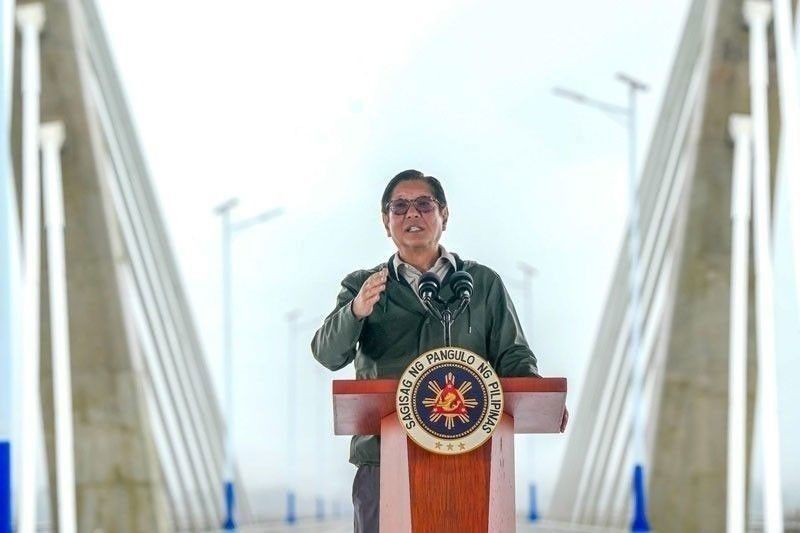
Marcos to Boost Economic, Security Ties in Singapore Visit
Philippine President Marcos begins a three-day working visit to Singapore, focusing on strengthening bilateral ties in trade, investment, and regional stability. The visit aims to attract investments and bolster ASEAN's centrality, occurring amidst an impeachment trial of the Vice President.
This article requires PRO
This article is outside the free access window or is a special report. PRO unlocks it and the full archive.
Related articles
- Marcos, Singapore PM Wong Meet to Boost Trade, AI, Investment Ties
Philippine President Ferdinand Marcos Jr. met with Singapore Prime Minister Lawrence Wong to discuss strengthening bilateral ties. Key topics included expanding trade, AI collaboration, attracting investments, and enhancing cooperation in health and social development. Both leaders also reaffirmed commitment to ASEAN's peace and stability.
- Marcos Departs for Singapore Official Visit to Bolster Economic Ties and Regional Cooperation
President Ferdinand Marcos Jr. departed for Singapore on Tuesday afternoon for an official visit. The two nations are set to discuss strengthening bilateral cooperation in trade, investment, healthcare, and the environment, as well as regional developments.
- Marcos Jr. visits Singapore to bolster cooperation, affirm regional stability
President Marcos embarks on a three-day working visit to Singapore to strengthen bilateral cooperation and reaffirm commitment to ASEAN's regional stability, with engagements planned with investors and business leaders.
- Marcos to Strengthen Ties in Singapore Visit
President Ferdinand R. Marcos, Jr. will visit Singapore from July 14-16 to bolster bilateral ties, particularly ahead of Singapore's upcoming ASEAN chairmanship. Discussions are expected to cover expanded cooperation in trade, investment, environment, health, and regional development.