General articles are free for 24 hours after publish.
Philippines Eyes Higher Broken Rice Imports Amid Global Demand Surge
The Philippines is set to increase imports of higher-percentage broken rice, balancing a policy to protect local farmers with rising global demand and prices. Increased demand from China and other importers is tightening global supply.
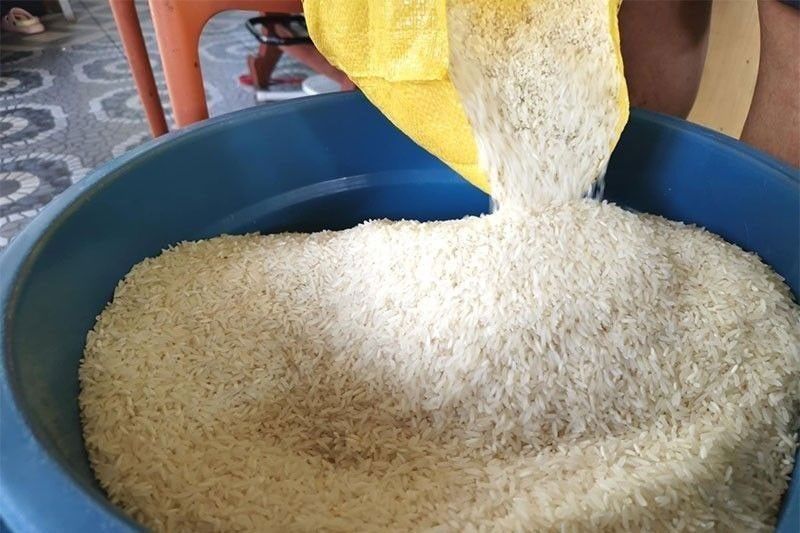
MANILA, Philippines — The Philippines may face stiffer competition for broken rice imports, as higher demand from China and other importers are causing global supply to tighten. In a report, the US Department of Agriculture (USDA) said local rice importers may turn to higher-percentage broken rice amid a government policy barring the entry of five percent imported rice. This comes as rising demand from major rice importers and exporters has caused an uptick in broken rice prices. “These exporters are likely to adjust to the higher inclusion of broken rice in shipments to the Philippines,” the USDA added. Rice imports are estimated to reach 5.5 million metric tons this year, according to the international agency. The country has banned the entry of five percent broken rice shipments to allow farmers to sell their recent harvest by keeping premium imports out of the market. However, the Philippines continues to allow imports of rice with higher broken percentages, positioning itself to rely more on these varieties as global demand drives up prices. The USDA said that Vietnam remains a key supplier for rice, though the country has diversified its grain sources, including Cambodia, Thailand and Pakistan. “With stronger demand for broken rice imports in China and the Philippines, core broken rice markets in West Africa are beginning to feel the impact,” the international agency said. On the other hand, it noted that China is expected to accelerate its purchase of broken rice, causing total shipments to reach 4.1 million MT. The USDA added that in the first seven months of the year, China imported nearly 1.4 million MT of broken rice. Demand is typically driven by China’s feed sector and the continued competitiveness of broken rice relative to other feed grains. “Although broken rice accounts for a small portion of overall feed and residual use, buyers are expected to increase purchases because of competitive prices,” the USDA said. Broken rice is produced as a by-product of the milling process, with rice trade typically based on the amount of broken rice content. Shipments with higher broken content are priced far below whole kernels, with 100?percent broken rice typically the cheapest option in the market.
Original source
Philstar Business