General articles are free for 24 hours after publish.
PM Hun Sen Shares Thai Professor's Article on Thai-Cambodian Border Dispute
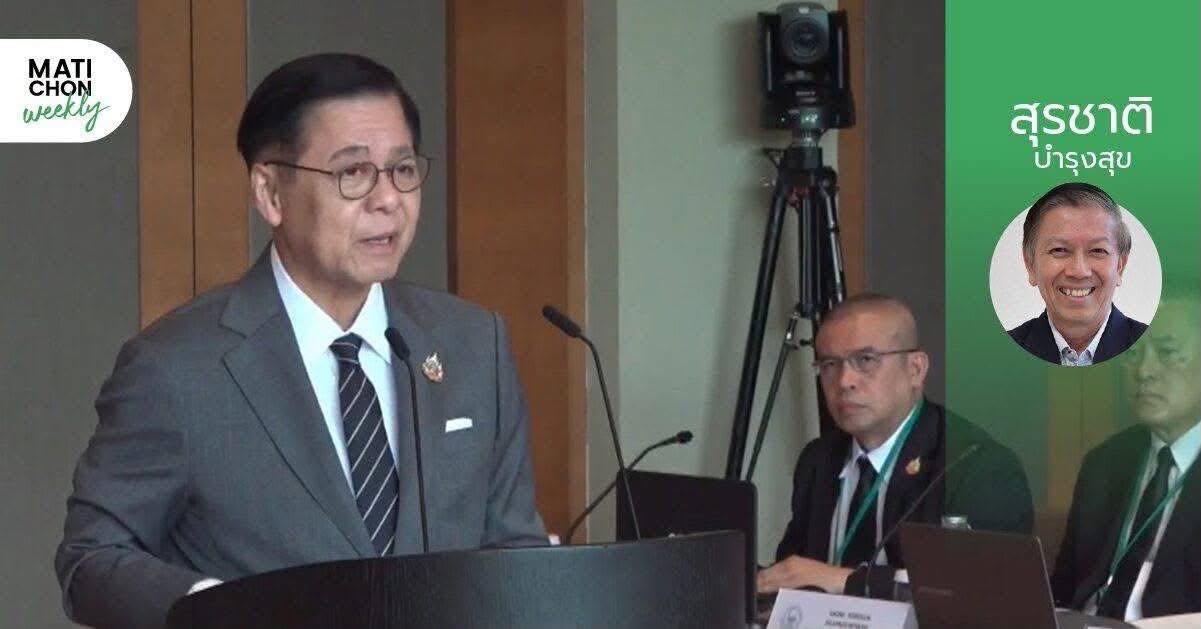
Cambodian Prime Minister Hun Sen has shared an article by a Thai professor published in a weekly newspaper concerning the maritime border dispute between Thailand and Cambodia. The Prime Minister refrained from commenting on the article, urging both nations' citizens to reflect. The article focuses on remarks made by Thailand's Foreign Minister at an international conference in Singapore, questioning Thai nationalism and the effectiveness of its pronouncements on the global stage.
Cambodian Prime Minister Hun Sen has shared an article penned by Thai professor Surachart Bamrunsuk in the weekly newspaper "Matichon Weekly," addressing the long-standing maritime border dispute between Thailand and Cambodia. The Prime Minister disseminated the article via his social media channels, refraining from adding personal commentary and urging citizens of both nations to reflect on its content. The article specifically focuses on the first meeting of the "UNCLOS Thailand-Cambodia" Joint Conciliation Commission (Compulsory Conciliation) held in Singapore from September 14-16, 2026. The author posits that this meeting holds significant implications for ASEAN and criticizes what is described as aggressive language allegedly used by Thailand's Foreign Minister during the proceedings. The piece suggests that a nationalistic approach within Thailand may not yield constructive outcomes on the international diplomatic stage. It argues that the alleged tactic of "insult" employed by the Thai Foreign Minister could be counterproductive in gaining international trust and might significantly diminish Thailand's diplomatic image in comparison to Cambodia. The author warns that such strategies could inadvertently portray Thailand as the "aggressor" and Cambodia as the "victim" in the eyes of the international community. Furthermore, the article implies that Thai politicians are clinging to the nationalism prevalent in 2025, potentially exploiting the conflict for political gain in 2026. However, the author contends that this "war with Cambodia" does not offer strategic benefits to Thailand and is, in fact, severely impacting its domestic economy. It also criticizes Thai media for adhering to nationalistic trends, failing to question whether the Thai Foreign Minister's statements contribute to building international relations or are merely self-serving within domestic politics. By sharing this article without his own interpretation, Prime Minister Hun Sen appears to be providing material for reflection by the citizens of both countries on this complex issue. This approach can be seen as cautious, taking into account the delicate bilateral relationship. Source: AKP Khmer
Original source
AKP Khmer