Bandung Padel Facility Fined Rp100 Million for Illegal Tree Felling, Must Plant 1,000 Trees
Environment
2026年8月9日
3
Detik

General articles are free for 24 hours after publish.

Bandung Padel Facility Fined Rp100 Million for Illegal Tree Felling, Must Plant 1,000 Trees

Share
AI Summary

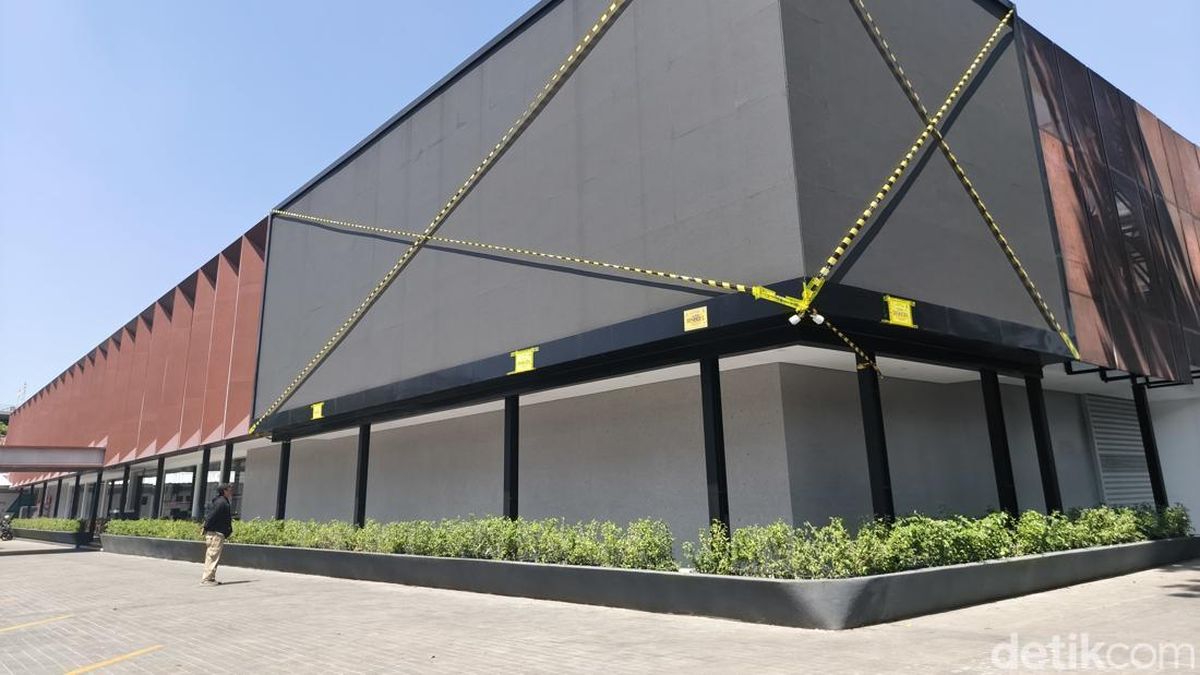
Indonesia's Ministry of Environment has fined a padel facility in Bandung, "SixNine Padel," Rp100 million and ordered the planting of 1,000 trees for illegally felling 10 trees to install a videotron.

Indonesia's Ministry of Environment (KLH) has officially sanctioned a padel facility in Bandung, identified as "SixNine Padel," with a fine of Rp100 million and a requirement to plant 1,000 trees. This action stems from the facility's illegal felling of 10 trees to facilitate the installation of a videotron. Minister of Environment Jumhur Hidayat confirmed that KLH environmental supervisors, in collaboration with the Bandung City Government, had summoned, conducted on-site verification, and held clarifications with the owner of the padel business regarding the unauthorized tree removal. "The owner of the padel business has admitted to felling 10 trees in front of the videotron and has paid a fine of Rp100 million, and has agreed to plant 1,000 trees as well as replant protective trees measuring 5 meters at the felling site," Jumhur told reporters on Sunday (9/8/2026). The videotron in question has also been sealed by the Bandung City Government, with KLH present during the process, due to a lack of advertising permits. Beyond the tree felling and permit issues, the KLH's environmental protection and management investigators uncovered further violations by the padel company, operating under PT FPI. These include the non-existence of a Wastewater Treatment Plant (IPAL), an inability to explain the source of raw water and water balance, and the blocking of a public drainage channel located at the rear of the building. "For these violations, government coercive administrative sanctions will be imposed by KLH," Jumhur added. This incident underscores the critical need for adherence to environmental regulations in urban development projects across Indonesia, particularly in densely populated areas where development pressures can conflict with ecological preservation.

0

Original source

Detik

原文を読む