Vietnam Eyes Stronger Export Growth in H2 Amid Shifting Challenges
Business
2026年7月10日
7
VietnamPlus English

Vietnam Eyes Stronger Export Growth in H2 Amid Shifting Challenges

AI サマリー

Vietnam aims to accelerate export growth in the second half of the year, facing challenges such as weak demand in textiles and labor shortages in agriculture. FDI remains strong, with economic growth forecasts revised upward. Sustainable development and digitalization are key.

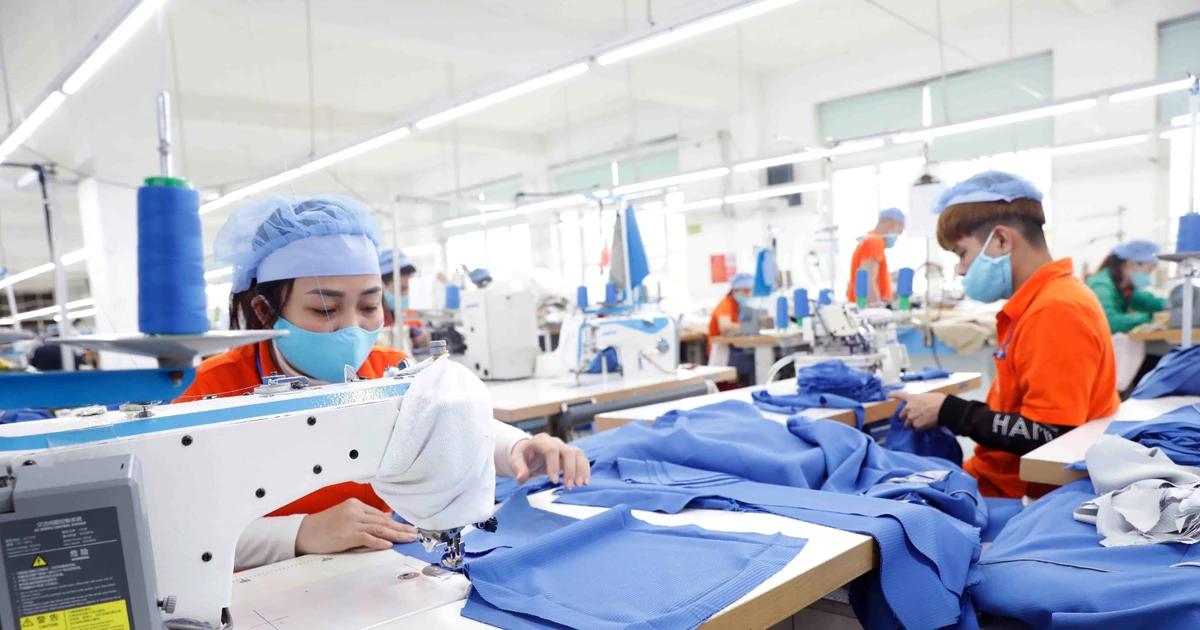
Vietnam is actively pursuing strategies to accelerate export growth in the second half of 2024, though challenges persist in some key sectors, necessitating structural adjustments for sustained economic development. The textile and garment industry experienced a 0.4% decline in garment exports in June, attributed to weak consumer demand in major markets. However, exports of fibres, fabrics, accessories, and nonwoven materials showed robust growth ranging from 5.6% to 10.6%, indicating sector-specific variations. For the agro-forestry-fishery sector, safeguarding key production areas, expanding deep processing, promoting green production, and enhancing climate resilience are deemed crucial for sustaining export growth and increasing global market share. Yet, securing sufficient labor to meet recovering export demand has emerged as a new constraint for some exporters. Foreign direct investment (FDI) continues to be a key driver of Vietnam's economy. According to the Ho Chi Minh City Export Processing and Industrial Zones Authority (HEPZA), FDI reached nearly US$1.6 billion in the first half of the year, with strong contributions from new and expanded projects. This aligns with Vietnam's initiative to standardize information and provide transparent connections with investors worldwide through a digital ecosystem. Economic growth prospects remain bright. United Overseas Bank (UOB) in Singapore has raised its forecast for Vietnam's 2026 GDP growth to 8.5%, citing stronger-than-expected first-half economic performance driven by manufacturing, investment, and FDI. The Asian Development Bank (ADB) also maintains its growth forecasts of 7.2% for 2026 and 7.0% for 2027, projecting Vietnam to remain the fastest-growing economy in Southeast Asia. Vietnam has achieved significant milestones in its maritime industry, advancing the development of smart, green ports and sustainable logistics. Plans are in place to increase OCOP (One Commune One Product) products to approximately 25,000 by 2030, with a greater emphasis on improving quality and adding value. Under its one-party system, economic growth is a top priority for Vietnam, with the government focusing on export promotion and FDI attraction. Notably, the strategy emphasizes building a foreign-invested sector closely integrated with the domestic sector to create new growth drivers, a strategic approach aimed at facilitating technology transfer and upgrading domestic industries beyond mere capital inflow.

多角的分析

経済的影響

ベトナム経済は、輸出主導型成長モデルを維持しつつ、グローバルな需要変動と国内の労働力不足という二重の課題に直面している。FDIの堅調さは、製造業におけるベトナムの競争力を示唆するが、繊維・アパレル産業における需要低迷は、グローバルサプライチェーンの再編や、消費国におけるインフレ、金利上昇の影響を反映していると考えられる。農産物分野での労働力不足は、地方における若年層の都市部への流出や、農業従事者の高齢化といった構造的な問題を浮き彫りにしている。これらの課題に対し、政府は深加工、グリーン生産、デジタル化といった付加価値向上策を推進しており、これは単なる輸出量の拡大から、より質的な成長への転換を目指す動きと捉えられる。UOBやADBによる成長率予測の上方修正は、これらの政策の効果と、ベトナムの経済回復力への期待感を示している。

投資家心理

ベトナムへの投資環境は、依然として魅力的な成長ポテンシャルを持つと見られている。特に、FDIの流入が堅調であることは、製造業におけるサプライチェーンのハブとしての地位確立への期待を示唆している。しかし、輸出産業、特に繊維・アパレル分野における需要の不確実性は、短期的な収益性に対するリスク要因となりうる。投資家は、労働力不足やインフラの制約といった国内要因に加え、世界経済の動向、特に主要消費国における景気後退リスクを注視する必要がある。一方で、グリーンポートや持続可能な物流への投資は、ESG(環境・社会・ガバナンス)を重視する投資家にとって新たな機会を提供する可能性がある。デジタルエコシステムへの移行は、投資プロセスの透明性と効率性を向上させ、海外からの投資をさらに呼び込む触媒となることが期待される。

社会的影響

ベトナムにおける輸出産業の回復は、労働者、特に地方出身の若年層の雇用機会に直接影響を与える。繊維・アパレル産業における需要低迷は、これらの労働者の収入や生活水準に不安定さをもたらす可能性がある。一方、農産物分野での労働力不足は、地方経済の活性化という観点からは、農村部からの若年層の流出という社会構造の変化を示唆している。OCOP製品の品質向上への注力は、地方の特産品をブランド化し、地域経済の活性化と雇用創ちにつなげる可能性を秘めている。また、スマートでグリーンな港湾開発は、物流効率の向上だけでなく、地域社会の環境負荷軽減にも貢献することが期待される。ベトナムの都市部では、インフラ開発や経済成長に伴う生活コストの上昇が、市民生活に影響を与えている可能性があり、政府はこれらの課題への対応も求められる。

市民の声

ベトナム国民、特に農村部からの若者たちは、都市部での雇用機会を求めて移動する傾向が続いています。農産物輸出の労働力不足は、彼らが故郷に残るか、あるいは都市部で新たな職を見つけるかの選択を迫られる状況を示唆しています。繊維産業での輸出低迷は、都市部で働く労働者の雇用安定性に影響を与える可能性があります。一方で、OCOP製品の品質向上は、地方に住む人々に新たな収入源や起業の機会をもたらすかもしれません。スマート港湾の開発は、物流コストの低下を通じて、消費者にとっての商品の価格に間接的な影響を与える可能性があります。ベトナム国民は、経済成長の恩恵を受ける一方で、労働市場の変動や生活コストの上昇といった課題にも直面しています。

背景・歴史的文脈

ベトナムはドイモイ政策(刷新)以降、輸出主導型の経済成長モデルを推進してきた。特に、製造業、繊維・アパレル、農水産物の輸出は、同国の経済成長の主要な牽引役となっている。しかし、グローバル経済の変動、特に主要消費国における需要の増減は、ベトナムの輸出に直接的な影響を与える。近年では、米中貿易摩擦やCOVID-19パンデミックの影響を受け、サプライチェーンの再編が進み、ベトナムへの投資が加速する一方で、労働力不足やインフラの制約といった課題も顕在化している。政府は、これらの課題に対応するため、高付加価値産業の育成、デジタル経済への移行、グリーン成長の推進といった政策を打ち出している。

原文ソース

VietnamPlus English

原文を読む