General articles are free for 24 hours after publish.
Baco tops Oriental Mindoro in child stunting, nutrition interventions to be intensified
The municipality of Baco has been identified as having the highest child stunting incidence in Oriental Mindoro, prompting the National Nutrition Council (NNC) to implement targeted nutrition interventions. This highlights a significant aspect of chronic malnutrition challenges in the Philippines.
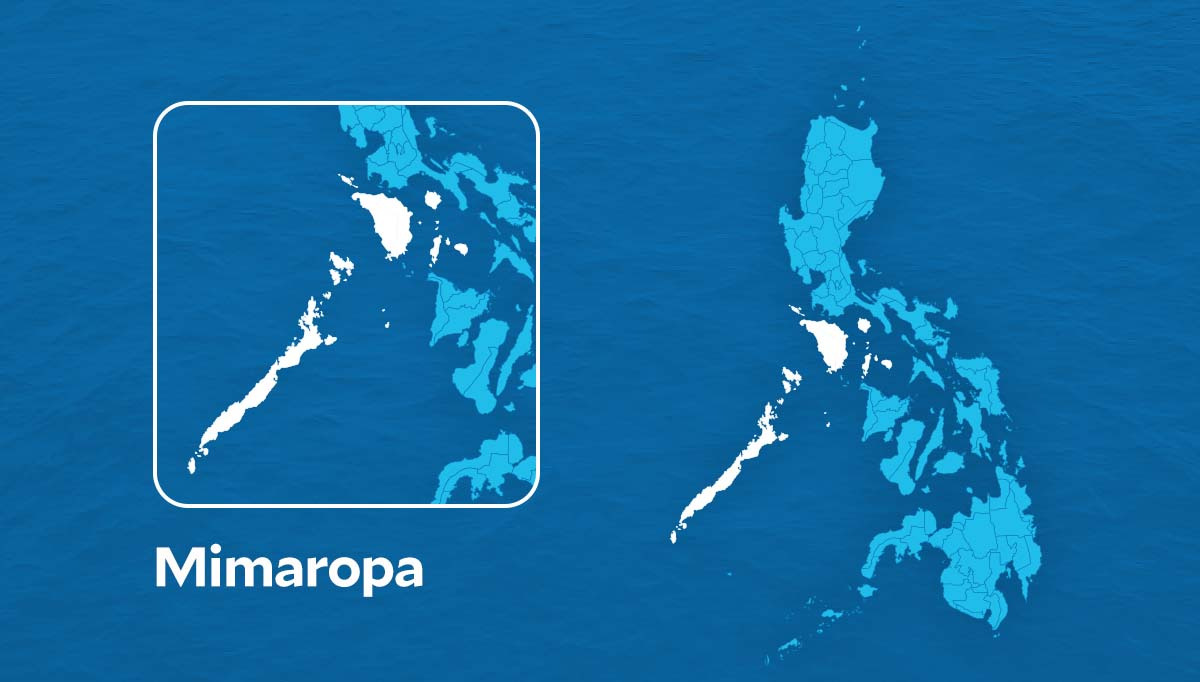
The National Nutrition Council (NNC) in Mimaropa (Mindoro Occidental, Oriental Mindoro, Marinduque, Romblon, and Palawan) has identified the municipality of Baco as having the highest prevalence of child stunting in Oriental Mindoro. In response to this critical situation, the council will implement targeted and extensive nutrition intervention programs in priority communities within Baco. Child stunting, caused by chronic malnutrition during infancy and early childhood, is a health issue that has long-term adverse effects on a child's physical and cognitive development. In the Philippines, this problem is exacerbated in various regions due to a complex interplay of factors including poverty, lack of access to food, and poor sanitation. Particularly in rural areas, access to healthcare and nutritional information is often limited, leading to delays in addressing the issue. This intervention by the NNC aims to improve the nutritional status in Baco, and is expected to include nutritional guidance for mothers, provision of food supplements for infants and young children, and promotion of nutrition education throughout the community. This initiative represents a significant step towards achieving the United Nations' Sustainable Development Goals (SDGs), particularly "End Hunger" and "Good Health and Well-being." While remittances from Overseas Filipino Workers (OFWs) support the economy, nutritional problems among the poor within the country remain a major challenge. The case in Baco highlights the regional disparities within the Philippines and the reality that the benefits of economic development do not necessarily reach all citizens. Source: Inquirer NewsInfo
Original source
Inquirer NewsInfo