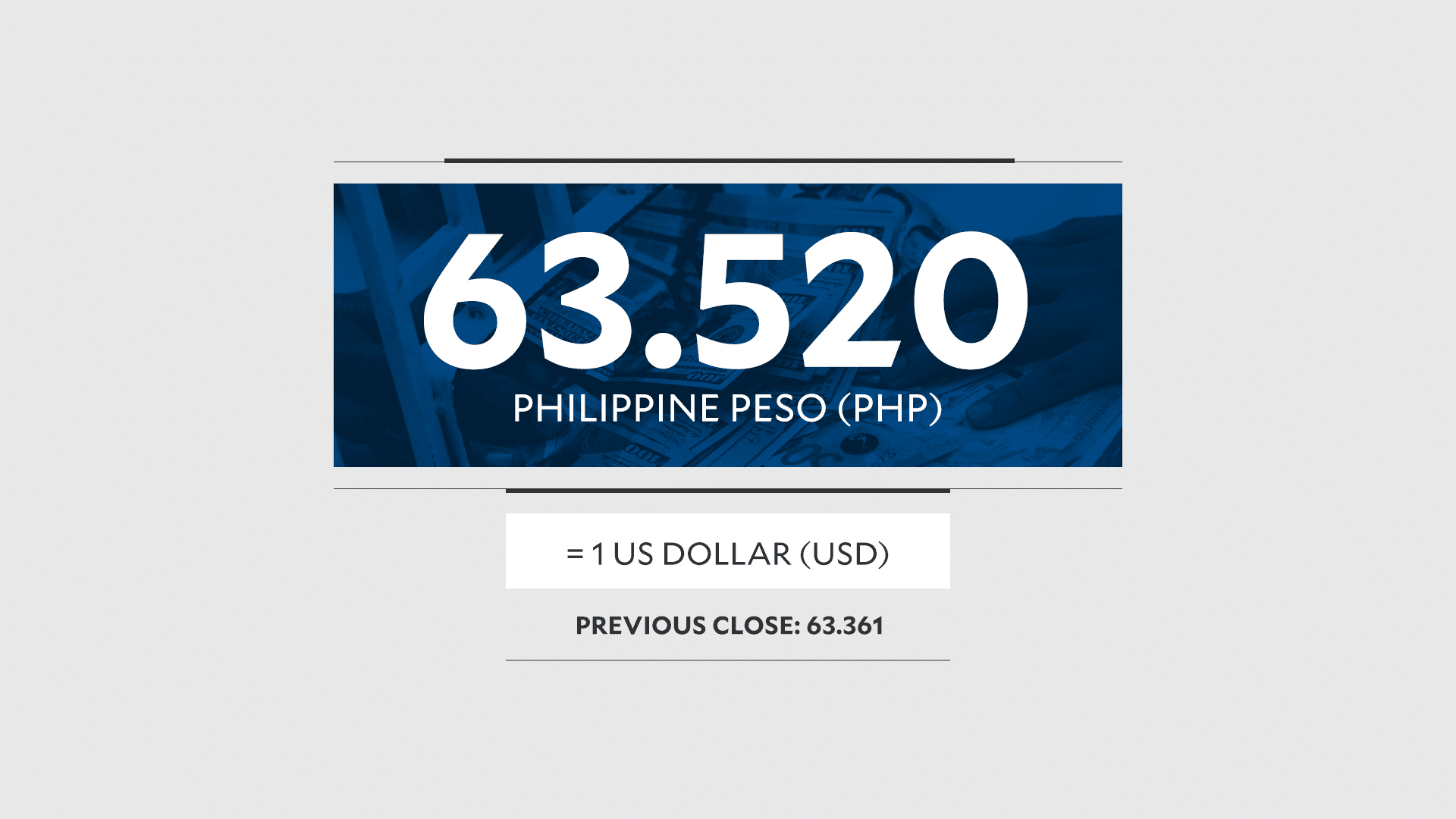
Philippine Peso Falls Past 63.5:$1 Amid Sustained Dollar Strength
The Philippine peso hit a new record low, closing at 63.52 per dollar despite a larger-than-expected interest rate hike by the Bangko Sentral ng Pilipinas. Sustained US dollar strength continues to weigh on the local currency, signaling potential inflationary pressures and increased import costs for the Philippines.
Read up to 3 eligible full articles per Japan day (JST) for free
Create a free account to open up to 3 eligible full articles per Japan calendar day (JST). Headlines and summaries remain available across ASEAN 7.
Related articles
- Philippines Announces Price Freeze on Basic Goods Until Year-End
The Philippines' Department of Trade and Industry (DTI) announced that manufacturers have agreed to a price freeze on basic goods until the end of the year. This move aims to alleviate consumer burden despite rising input costs due to elevated oil prices.
- Senate Bill Proposes Real Property Tax Exemption for Shared Residential Spaces
A Senate bill has been filed in the Philippines seeking to exempt common areas in residential subdivisions and condominiums from real property taxes (RPT). The move aims to alleviate the financial burden on middle-class homeowners.
- Senate, House Ponder Next Move on 2027 Budget After SC Ruling
Following the Supreme Court's ruling declaring key provisions of previous spending laws unconstitutional, the Philippine Senate and House of Representatives are deliberating on how to adjust the proposed P7.2-trillion national budget for 2027. The Department of Budget and Management (DBM) has been asked for recommendations on budget adjustments.
- Oil Price Uncertainty Influences Philippine Monetary Policy More Than Actual Hikes, Study Finds
Uncertainty surrounding oil prices, rather than actual price movements, has a greater influence on inflation expectations and the monetary policy response of the Bangko Sentual ng Pilipinas (BSP), a study from De La Salle University found. The BSP tends to react more strongly and for longer periods to oil price uncertainty.