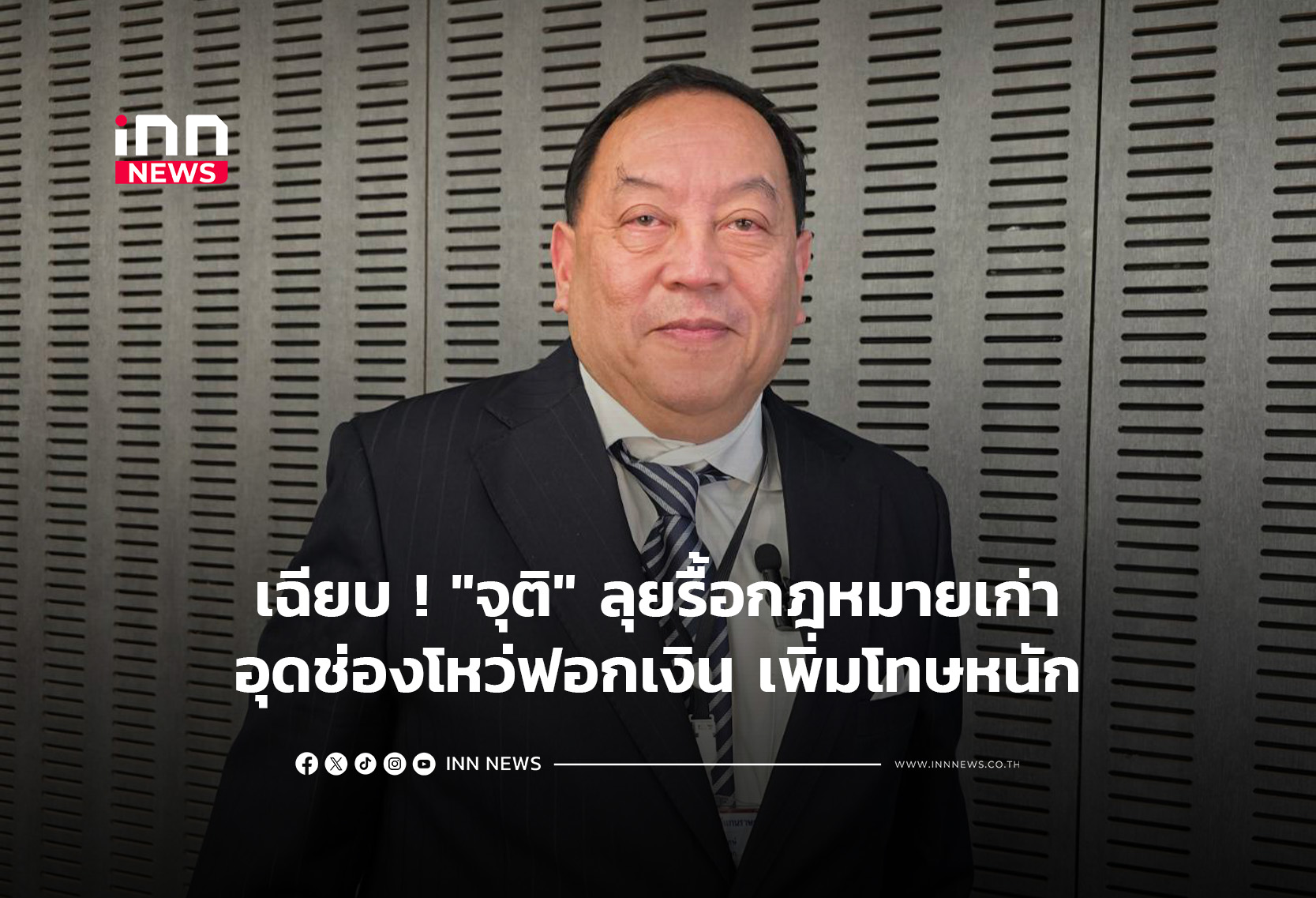
Thailand to Strengthen Anti-Money Laundering Laws, Close 1942 Legal Loopholes for OECD Membership
Thai House Committee Chairman Juti Krairiksh highlighted that outdated laws from 1942 are being exploited for money laundering and scams. Amendments and stricter penalties are planned to meet OECD anti-money laundering evaluation standards by June 2027, aiming to restore international trust.
Mr. Juti Krairiksh, Chairman of the House of Representatives Committee on Finance, Banking, Financial Institutions and Financial Markets, revealed progress on Forex fraud cases. He stated that a direct consultation opportunity was provided for complainants and relevant agencies such as the Bank of Thailand (BOT) and the Anti-Money Laundering Office (AMLO). This process uncovered legal loopholes exploited by criminals to defraud the public. The BOT confirmed that it has never issued licenses for Forex trading businesses to individuals in Thailand, with currency exchange being the sole exception. The police, the Department of Special Investigation (DSI), and AMLO will proceed with asset seizure. Mr. Juti further elaborated that Thailand's significant weaknesses lie in its penalty provisions and law enforcement. The current law regulating Forex transactions dates back to 1942 (B.E. 2485), imposing a mere 2,500 baht fine and a two-year prison sentence. This lenient punishment fails to deter offenders, who are willing to pay the fine and often expect a suspended sentence. Concurrently, the prison sentence under the Anti-Money Laundering Act is only one year, which is lower than the five-year prison sentence stipulated by the Personal Data Protection Act (PDPA), despite the severe impact of money laundering crimes on the nation's economic stability. "This is Thailand's weakness: the laws are good, but the enforcers are flawed. Criminals continue to evade investigation and arrest by state officials. From now on, we must demonstrate that offenders will face real imprisonment. The current government is committed to eradicating scammers and money laundering rings, sending a strong signal to foreign investors that Thailand will no longer be the capital of 'grey businesses.' The Thai capital market must be transparent and secure," Mr. Juti stated. To expedite the resolution of these issues, the committee will not wait for normal procedures. Members of Parliament will directly propose draft amendments to the law. This will proceed once the BOT provides its information and a summary of the 1942 law's weaknesses. Additionally, the special committee deliberating the draft Anti-Money Laundering Act has requested operational personnel to reduce the regulatory drafting period from the original 240 days to just 120 days. This urgency stems from Thailand's upcoming evaluation on anti-money laundering measures on June 30, 2027, which will assess both law enforcement and the enactment of new legislation to close loopholes for dishonest actors.
多角的分析
タイ政府は、OECDへの加盟に向け、マネーロンダリング対策の国際基準遵守を急務としています。特に、1942年制定の旧法は、現代の経済犯罪に対応するにはあまりにも緩い罰則規定であり、国際的な評価を著しく低下させる要因となっています。今回の法改正と罰則強化は、タイ経済の透明性を高め、外国からの直接投資を呼び込むための重要なステップです。OECD加盟は、国際金融市場におけるタイの信用度向上に直結し、長期的な経済成長に寄与すると考えられます。しかし、法改正だけでなく、その実効性のある執行体制の構築が、今後の課題となるでしょう。
今回の法改正の動きは、タイの金融市場におけるリスク低減と透明性向上への期待を高めるものです。特に、マネーロンダリングや詐欺行為に対する罰則強化は、投資家保護の観点から歓迎されるべきでしょう。OECDの評価をクリアすることは、タイへの投資環境の改善につながり、特に金融セクターへの信頼回復が期待されます。しかし、法改正のスピードと実効性、そして過去の事例における執行の遅れなどを考慮すると、投資判断においては慎重な見極めが必要であり、具体的な法執行の進捗を注視することが重要です。
1942年制定の旧法は、現代の経済犯罪、特に詐欺やマネーロンダリングの被害者にとって、十分な保護を提供できていませんでした。罰則の軽さは、犯罪者への抑止力とならず、多くの市民が金銭的被害に遭う一因となっていました。今回の法改正は、被害者の救済と、将来的な被害の防止に繋がる可能性があります。また、タイが国際社会から「グレービジネスの首都」と見なされることを払拭し、健全な経済活動を推進する姿勢を示すことは、国民の誇りや社会全体の信頼回復にも貢献すると考えられます。しかし、法改正が迅速に進んでも、その恩恵が社会全体に行き渡るまでには時間がかかる可能性も指摘されています。
今回の法改正は、市民、特に詐欺被害に遭った人々にとって、希望の光となる可能性があります。長年、軽すぎる罰則のために泣き寝入りを余儀なくされた被害者たちにとって、より厳しい罰則が科されることは、正義の実現に繋がります。また、タイが国際社会で信頼される国になることは、国民全体の利益となります。しかし、法改正のニュースが、実際に被害者の救済や、詐欺行為の減少にどれだけ早く、そして効果的に繋がるのか、市民は固唾を飲んで見守ることになるでしょう。特に、地方に住む人々や、情報にアクセスしにくい層への影響も注視が必要です。
背景・歴史的文脈
タイにおけるマネーロンダリング対策の遅れは、長年にわたる課題でした。特に、1942年制定の旧法は、現代の経済犯罪の複雑化・巧妙化に対応できず、罰則も極めて軽微でした。これにより、タイは国際的なマネーロンダリング対策の評価において、しばしば指摘を受けてきました。2027年6月30日に予定されているOECDによるマネーロンダリング対策の評価は、タイにとって重要な節目であり、この評価をクリアすることは、国際金融市場におけるタイの信頼性を回復し、経済成長を促進するために不可欠です。今回の法改正は、この国際的な評価基準を満たすための、タイ政府の喫緊の対応策と言えます。
原文ソース
INN News