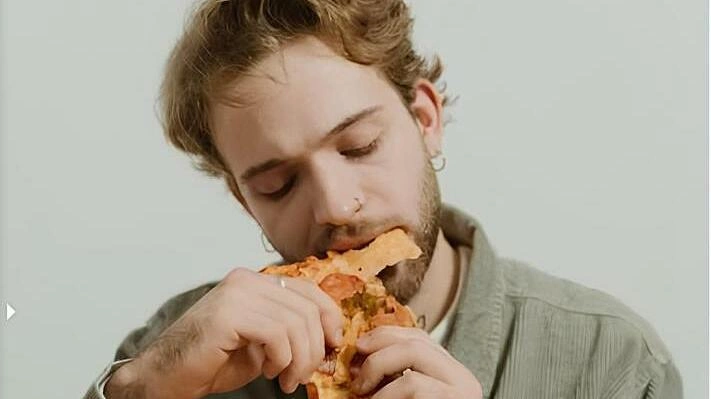
Eating Habits Reveal Personality: Study Findings Applicable in Vietnam
New research suggests a strong correlation between personality traits and food preferences. These findings could offer new perspectives on health consciousness and food culture understanding in Vietnam.
Recent research indicates a deeper connection between an individual's personality traits and their food preferences than previously thought. The words of French gastronome Jean Anthelme Brillat-Savarin, who wrote nearly 200 years ago, "Tell me what you eat, and I will tell you what you are," are increasingly being validated by modern science. A 2024 consolidated study by the Aristotle University of Thessaloniki and the University of Thessaly in Greece revealed that each of the five major personality traits in the widely used "Big Five" model—openness, conscientiousness, extraversion, agreeableness, and neuroticism—influences eating behavior. Conscientious Individuals Prefer Healthy Eating Conscientiousness, reflecting self-control, planning, and discipline, is associated with choosing healthy foods, maintaining a healthy weight, and sticking to beneficial habits. This suggests that in Vietnam, as health consciousness grows, the link between self-management and dietary habits will likely gain attention. Open Individuals Are Eager to Try New Flavors Openness, characterized by curiosity and a willingness to embrace new experiences, correlates with higher consumption of fruits and vegetables and balanced diets. This trait is particularly pronounced in middle-aged and older adults, who tend to be less hesitant to try novel foods. Within Vietnam's diverse culinary landscape, individuals with this trait are likely to actively enjoy various regional and international dishes. Agreeable People Tend to Consume Less Meat Agreeableness, reflecting empathy and altruism, showed that individuals with this trait tend to consume less meat compared to other personality groups. This finding may align with the increasing vegetarianism in Vietnam and the trend of reducing meat consumption for health and environmental reasons. Extroverts Are More Prone to Unhealthy Food Choices Extroverts, who are typically sociable, optimistic, and enjoy social interaction, tend to consume more sweets, salty foods, meat, and carbonated drinks. The researchers hypothesize that extroverts may have a more positive self-assessment of their health, leading to more lenient food choices and a greater willingness to engage in riskier behaviors. In Vietnam's vibrant social culture, the impact of eating habits in social gatherings among extroverts on health warrants consideration. Individuals with High Neuroticism Consume More Sugar Neuroticism, associated with lower ability to cope with stress, often leads to feelings of anxiety and insecurity. This group tends to eat fewer fruits and vegetables and consume more sugar and saturated fats as a coping mechanism for emotional distress. In Vietnamese society, individuals facing life stresses or economic pressures in urban areas might exhibit behaviors of seeking emotional regulation through food. These research findings indicate that an individual's eating habits are not merely a matter of taste but deeply reflect their inner self. In Vietnam, incorporating such psychological approaches could be effective in promoting national health and dietary education.
多角的分析
ベトナム経済は急速な成長を遂げ、都市部を中心に可処分所得が増加している。これにより、人々の食に対する選択肢が広がり、健康志向の高まりと同時に、ストレス解消や嗜好品としての甘味・高脂肪食品への消費も増加していると考えられる。特に、外向的な性格や神経症傾向を持つ人々によるこれらの食品への消費増加は、国内の食品産業、特に菓子類や加工食品市場の成長を後押しする要因となり得る。一方で、健康的な食品への関心の高まりは、オーガニック食品や健康食品市場の拡大にも繋がる可能性があり、食品メーカーは多様化する消費者のニーズに応じた製品開発が求められる。
この研究結果は、ベトナムの食品・飲料セクターへの投資機会を示唆している。健康志向の高まりは、オーガニック製品、低カロリー食品、機能性食品などの需要を喚起するだろう。一方、外向的で神経症傾向のある消費者の増加は、菓子、スナック、甘味飲料といったジャンクフード市場の継続的な成長を予測させる。投資家は、これらの異なる消費者セグメントのニーズを捉える企業に注目すべきである。特に、健康と利便性を両立させた製品や、心理的な満足感を提供する製品は、ベトナム市場で成功する可能性が高い。
ベトナム社会では、都市化と経済成長に伴い、人々のライフスタイルが変化し、食習慣にも多様性が生まれている。開放的な性格を持つ人々は、ベトナム各地や海外の新しい食文化を積極的に取り入れ、食の体験を豊かにしている。一方で、神経症傾向の高い人々がストレス解消のために甘いものを摂取する傾向は、生活習慣病のリスクを高める可能性があり、公衆衛生上の課題となり得る。また、協調性の高い人々が肉食を減らす傾向は、ベトナムの伝統的な食文化の一部である肉中心の食事からの変化を示唆しており、食の多様化と倫理的な消費への関心の高まりを反映していると言える。
ハノイのオフィスワーカーである彼は、仕事のストレスからついつい甘いコーヒーやスナックに手が伸びてしまう。外向的な性格もあって、友人との食事では新しいお店を開拓するのが好きだが、その際もカロリーの高い料理を選びがちだ。最近、健康診断で少し体重が増加したことを指摘され、食生活の見直しを考えている。しかし、仕事の忙しさとストレスから、健康的な食事を継続するのは難しいと感じている。週末に家族と出かける際は、開放的な性格から、家族みんなで新しい地方料理を試すのが楽しみだ。
背景・歴史的文脈
ベトナムにおける食文化は、地域や民族によって多様であり、歴史的に米を主食とし、野菜や魚介類を豊富に摂取する食生活が中心であった。しかし、20世紀後半以降の経済発展とグローバル化の進展に伴い、食生活は大きく変化している。特に都市部では、ファストフードや加工食品の普及、所得の増加による肉類消費の増加、そしてライフスタイルの変化によるストレスの増加などが、食習慣の多様化と健康問題の新たな側面を生み出している。今回の研究結果は、こうした社会経済的変化の中で、個人の内面が食の選択にどのように反映されているかを示唆しており、ベトナムにおける公衆衛生や食育のあり方を考える上で、重要な示唆を与えるものである。
原文ソース
VnExpress