Philippines Banks Moving Away from SMS OTPs for Enhanced Security
Business
2026年7月14日
4
Philstar Business
Relations
🇵🇭Philippines🇹🇭Thailand

Philippines Banks Moving Away from SMS OTPs for Enhanced Security

AI サマリー

Philippine banks and e-wallets are transitioning from SMS and email one-time passwords (OTPs) to more secure authentication methods like biometrics and in-app approvals. This shift, driven by sophisticated fraud tactics and regulatory guidance, necessitates increased user vigilance.

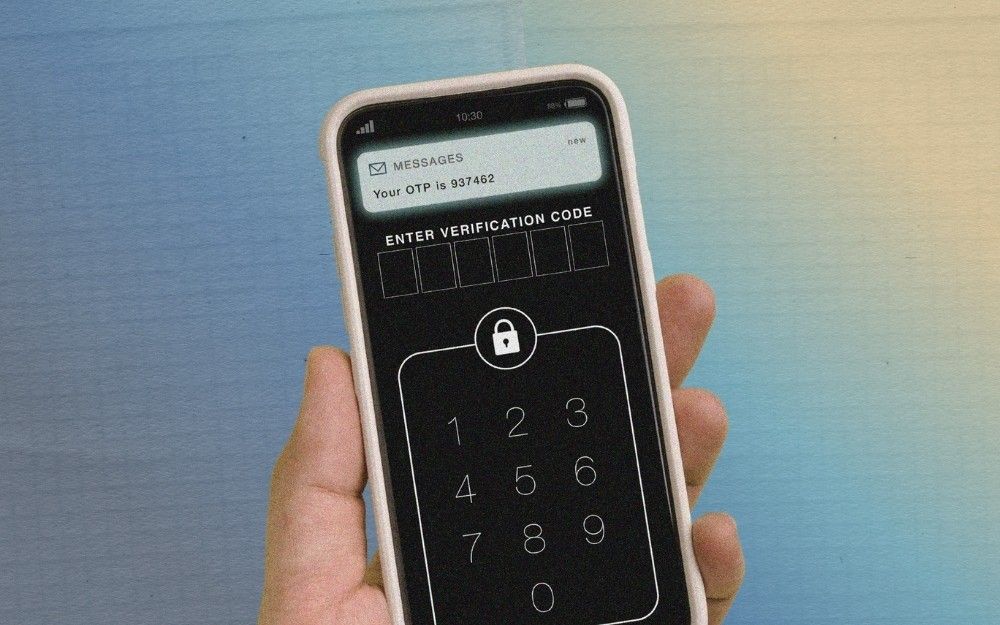
MANILA, Philippines — Banks and e-wallets are moving away from SMS and email one-time passwords, or OTPs, especially for high-risk transactions, as regulators push financial institutions toward harder-to-steal forms of authentication. The reason is simple: OTPs are easy for users, but also easy for scammers to target. "OTPs were built for a less complex threat environment," Sylvain Chaperon, general manager of 8x8 CPaaS, said in a report by The STAR. Fraudsters can exploit the system through SIM swapping, message interception and social engineering schemes that trick customers into giving away their codes. "In a mobile-first economy like the Philippines, where the smartphone is most people's primary gateway to banking and payments, that makes the authentication step a high-value target," Chaperon said. The shift follows Bangko Sentral ng Pilipinas Circular 1213, which discourages reliance on authentication methods that can be shared with or intercepted by third parties, such as SMS and email OTPs. Instead, banks and e-wallets are expected to use stronger methods such as biometrics, passkeys, in-app approvals, device checks and adaptive authentication based on a customer's location, device and behavior. In plain language, your bank may soon ask: Is this your usual phone? Is the transaction coming from your usual place? Has your SIM changed recently? Does the transfer look unusual for you? If the transaction looks normal, verification may happen quietly. If it looks risky, the bank may ask for another layer of approval. So what should users do to adapt to the change? You can keep banking apps updated, enabling app notifications and making sure their mobile number and device registered with their bank are current. Customers should also avoid sharing OTPs, passwords or approval prompts with anyone if they are clients to institutions that have no made the shift. Users should be suspicious of calls from those who claim to be from the bank asking for OTPs. Lost phones or suspicious SIM activity should also be reported to the bank. Some financial platforms have already announced or rolled out changes. Security experts have long warned that SMS-based verification is weaker because it relies on the phone network and the customer's ability to avoid scams. Newer methods are harder to phish because they bind approval to a trusted device, app or biometric check. Some verification can also happen silently in the background, leaving no code for a scammer to intercept or persuade a customer to share. OTPs may not vanish overnight. But for most sensitive transactions, the six-digit text code is slowly becoming an antiquated lock.

多角的分析

経済的影響

フィリピンにおける金融取引のセキュリティ強化は、デジタル経済の信頼性向上に不可欠である。SMS OTPからの移行は、フィンテック産業の成長を支える基盤となる一方、新たな認証技術への投資負担や、旧式端末利用者への対応といった課題も生む。金融機関は、セキュリティ強化と利便性のバランスを取りながら、全ての顧客層が安全にデジタル金融サービスを利用できる環境整備が求められる。

投資家心理

金融機関によるセキュリティ強化策の導入は、長期的には投資家にとってポジティブな要素となる。詐欺による損失リスクの低減は、収益の安定化に繋がり、フィンテック分野への信頼を高めるからだ。ただし、初期投資コストの増加や、移行期間中のシステム統合リスクは、短期的な懸念材料となり得る。

社会的影響

SMS OTPからの移行は、フィリピンの一般利用者の金融取引における安全性を高める一方で、新たな技術への適応を求める。特に、スマートフォンの操作に不慣れな高齢者や、旧式携帯電話を利用している層は、生体認証やアプリ内承認といった新しい認証方法へのアクセスや理解に課題を抱える可能性がある。これは、デジタルデバイドを広げる懸念もはらんでいる。

市民の声

フィリピン市民にとって、SMS OTPからの脱却は、オンライン詐欺から身を守るための重要な一歩となる。しかし、新しい認証方法への移行は、スマートフォンの操作に慣れていない人々や、古い端末を使っている人々にとっては、金融サービスへのアクセスを難しくする可能性も指摘されている。利用者は、銀行からの通知を注意深く確認し、自身の登録情報を最新に保つ必要がある。

背景・歴史的文脈

フィリピンでは、スマートフォンの普及率が非常に高く、オンラインバンキングや電子ウォレットの利用が急速に拡大している。これに伴い、SIMスワッピングやフィッシング詐欺といったサイバー犯罪も増加傾向にあった。特にSMS OTPは、手軽さゆえに詐欺師に悪用されやすく、被害が後を絶たなかった。こうした状況を受け、フィリピン中央銀行は、金融システムの安定と顧客保護の観点から、より強固な認証方法への移行を金融機関に促す方針を打ち出した。これは、国際的な金融規制の動向とも一致する動きである。

原文ソース

Philstar Business

原文を読む