Vietnam Unlocks Cultural Soft Power for National Development
Culture
2026年7月8日
5
VietnamPlus English
Relations
🇻🇳Vietnam🇨🇳China

Vietnam Unlocks Cultural Soft Power for National Development

AI サマリー

Vietnam is positioning culture as a strategic engine for national development by strengthening copyright enforcement, heritage protection, and the heritage economy. Leveraging digital technologies and international cooperation, the country aims to foster growth in culture, tourism, education, and creative industries.

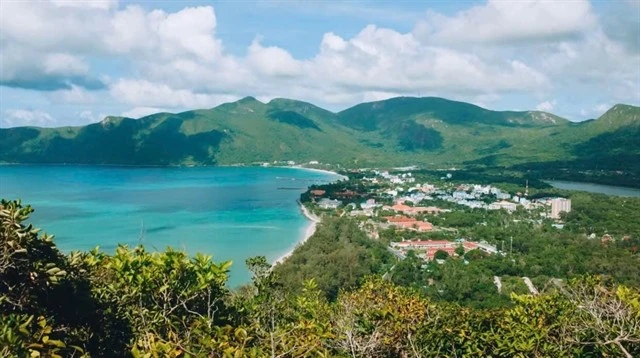
Vietnam is clearly positioning culture as a strategic pillar for national development through a simultaneous push on copyright enforcement, heritage protection, and the development of a "heritage economy." This initiative is part of the country's efforts to achieve the core goals of Resolution 80-NQ/TW from the Central Committee of the Communist Party of Vietnam, aiming to unlock cultural soft power and drive rapid, sustainable, and identity-rich national development in a new era. This strategic direction is evident in the diverse cultural events and initiatives unfolding across Vietnam. For instance, the "Quoc Tu Giam in Art" exhibition in Hanoi, which focuses on the Temple of Literature complex, reinterprets this historic site through contemporary art, appealing to a broad audience, including younger generations. The Da Nang Asian Film Festival (DANAFF) plays a crucial role in showcasing Vietnamese and Asian cinema internationally, promoting the deeper integration of Vietnam's film industry into the global market. Furthermore, Vietnam's rich cultural heritage holds significant potential for the tourism sector. Vogue magazine's listing of Con Dao Island (Con Son) as an ideal honeymoon destination for 2026 underscores the island district's potential to capture the high-end resort market. Beyond its natural beauty, efforts are being made to enhance the quality of life for residents on Con Dao, including the deployment of crucial healthcare services like haemodialysis. The utilization of digital technologies is also a key element in promoting cultural heritage. Experts believe that the nation's tens of thousands of historical and cultural resources can become a major driver for culture, tourism, education, and creative industries when integrated with digital technologies. Market-oriented development of souvenirs, coupled with stronger involvement from designers, businesses, and market-connecting organizations, is expected to serve as a bridge linking Vietnam with the world and contributing to the growth of cultural industries and the creative economy. Vietnam's cultural outreach on the international stage is also intensifying. The annual event jointly organized by the Vietnamese Embassy and community in Slovakia showcased Vietnam's rich cultural heritage, fostering people-to-people exchanges and strengthening bilateral friendship. In Belgium, "Viet Culture in Motion" presented a diverse portrait of Vietnam through films from Vietnamese communities worldwide, subtitled in French and Dutch, making stories accessible to audiences in Brussels. Under Vietnam's one-party system, state-led cultural policies are strongly promoted, positioning culture as a means for economic growth and national identity reinforcement. In its relations with China, there is a discernible effort to enhance soft power through cultural exchanges, aiming to bolster regional influence. These cultural promotion policies are seen as contributing to Vietnam's improved international image and playing a part in its economic diversification. Source: VietnamPlus English

多角的分析

経済的影響

ベトナム政府が文化を経済成長の新たなエンジンとして位置づける政策は、サービス業、特に観光、クリエイティブ産業、デジタルコンテンツ分野への投資を加速させるだろう。文化遺産のデジタル化や国際的なプロモーションは、海外からの直接投資(FDI)を誘致する新たな機会を生み出す可能性がある。しかし、遺産経済の持続可能性は、保護と商業化のバランス、そして地方経済への恩恵の公平な分配にかかっている。特に、地方の伝統工芸品や文化資源が、都市部のクリエイターや海外企業に搾取されるリスクも考慮する必要がある。

投資家心理

ベトナムの文化振興策は、特に観光、メディア、eスポーツ、デザイン関連分野への投資機会を示唆している。Vogueがコンダオ島をハネムーン先として挙げたことは、高級リゾート開発への関心を高めるだろう。また、文化遺産のデジタル化やクリエイティブ産業への支援は、テクノロジー関連企業やコンテンツ制作会社にとって魅力的である。ただし、ベトナムの法制度や知的財産権保護の現状を慎重に評価し、長期的な視点での投資戦略が求められる。

社会的影響

文化遺産の保護と活用は、ベトナム国民のアイデンティティと誇りを高める一方で、地域間格差や文化財の商業化に伴う問題も生じさせる可能性がある。例えば、ハノイの文廟のような歴史的建造物の保護と観光客誘致のバランス、あるいは地方の伝統工芸品が、都市部のデザイナーや海外市場の需要に応える形で大規模生産される際の、職人の生活や伝統技術への影響が懸念される。また、デジタル技術を活用した文化発信は、情報格差やデジタルデバイドを拡大させる可能性も否定できない。

市民の声

ベトナム国民は、自国の豊かな文化遺産が国際的に評価され、経済発展に貢献する機会が増えることに期待を寄せている。特に、コンダオ島のような観光地開発は、地域経済の活性化や雇用創出につながる可能性がある。しかし、文化遺産の保護と商業化のバランスが取れない場合、本来の文化的価値が失われることへの懸念や、観光客増加による生活環境への影響も無視できない。また、デジタル化の恩恵が一部の層に偏る可能性も指摘されている。

背景・歴史的文脈

ベトナムは、ドイモイ政策以降、経済成長を最優先課題としてきたが、近年、文化遺産の保護と活用、そして文化を経済成長の新たな駆動力とする戦略へとシフトしつつある。これは、国内外でのベトナムのソフトパワー向上、国家アイデンティティの強化、そして経済の多角化を目指す動きとして理解できる。特に、中国との関係において、独自の文化を前面に出すことで、地域における影響力を高めようとする意図も含まれていると考えられる。決議80-NQ/TWは、文化を国家発展の戦略的エンジンと位置づける政府の強い意志を示している。

原文ソース

VietnamPlus English

原文を読む