General articles are free for 24 hours after publish.
DICT Chief Backs Bill Requiring Legislative Franchise for Social Media Platforms
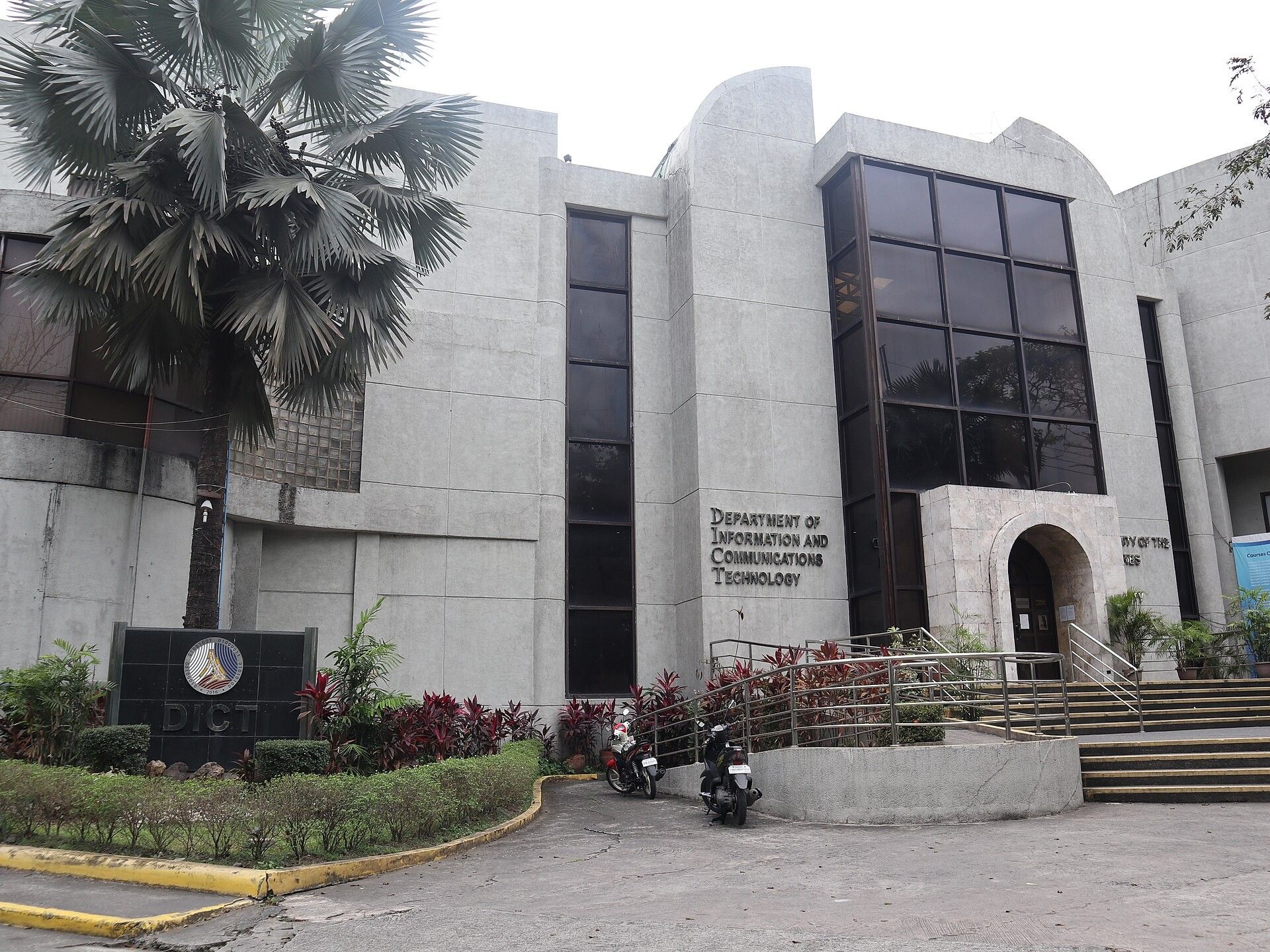
The Philippines' Department of Information and Communications Technology (DICT) chief has backed a proposed bill that would require social media platforms to secure a legislative franchise to operate, citing public safety and service, and aiming for equal standards with traditional broadcasters.
MANILA, Philippines — Information and Communications Technology Secretary Henry Aguda has expressed support for a proposed bill in the House of Representatives that would require social media sites and online platforms to secure a legislative franchise to operate in the Philippines. Aguda stated that the measure is crucial for public safety and public service, given the significant impact these digital platforms have on the general public. To justify his stance, the DICT chief drew a direct comparison between social media giants and traditional broadcasters. He pointed out that broadcasters are strictly required to obtain a legislative franchise, pay taxes, and follow specific guidelines on how they report. “It seems unfair not to require the same standards from others who actually make higher profits and have a wider reach, right?” Aguda said. The bill, House Bill No. 4786 filed by Rep. David Suarez (Quezon 2nd District), seeks to require major social media platforms to secure a congressional legislative franchise before they can operate in the Philippines. It aims to amend Commonwealth Act No. 146, or the Public Service Act, by inserting a provision that would classify covered social media platforms as "public services of significant public consequence." This would necessitate obtaining a congressional franchise, similar to broadcasting companies, telecommunications firms, and electric utilities. The proposed House Bill reads, “In light of their pervasive influence, essential nature, market dominance, and critical impact on national security and public discourse, social media platforms demonstrably embody the characteristics of a 'public service of public consequence' or even 'critical infrastructure.' Their capacity to affect national security through the rapid spread of misinformation and their crucial role in the socio-economic activities of the populace necessitate a robust regulatory framework.” The legislative proposal gained traction following the school shooting on September 18 at Banga National High School in South Cotabato. In that tragedy, a 16-year-old student fatally shot three individuals after interacting with online "nihilistic violent extremism" networks operating on platforms such as Discord and TikTok. Ronald Gustilo, the convenor of digital advocates Digital Pinoys, said that requiring platforms to secure a congressional franchise should be carefully studied first, pointing out the difficulty of obtaining one and noting that such a mandate would set a global precedent. “The most important thing is that the government comes up with a mechanism that ensures their compliance while encouraging their continued presence here in the Philippines,” Gustilo told Philstar.com. On Thursday, Aguda also announced the lifting of the ban on the online platform Discord. Digital advocates Digital Pinoys welcomed Discord's promises, saying that closer cooperation between tech platforms and Philippine authorities is essential to addressing cybercrime, cybersecurity, and online safety. "The establishment of clear channels for government coordination and a local point of contact can help facilitate faster and more effective responses to legitimate concerns raised by Philippine authorities," Digital Pinoys said. "Digital Pinoys looks forward to seeing these commitments translated into concrete mechanisms that will strengthen cooperation and help create a safer digital environment for Filipinos," the group added. Source: Philstar Nation
Original source
Philstar Nation