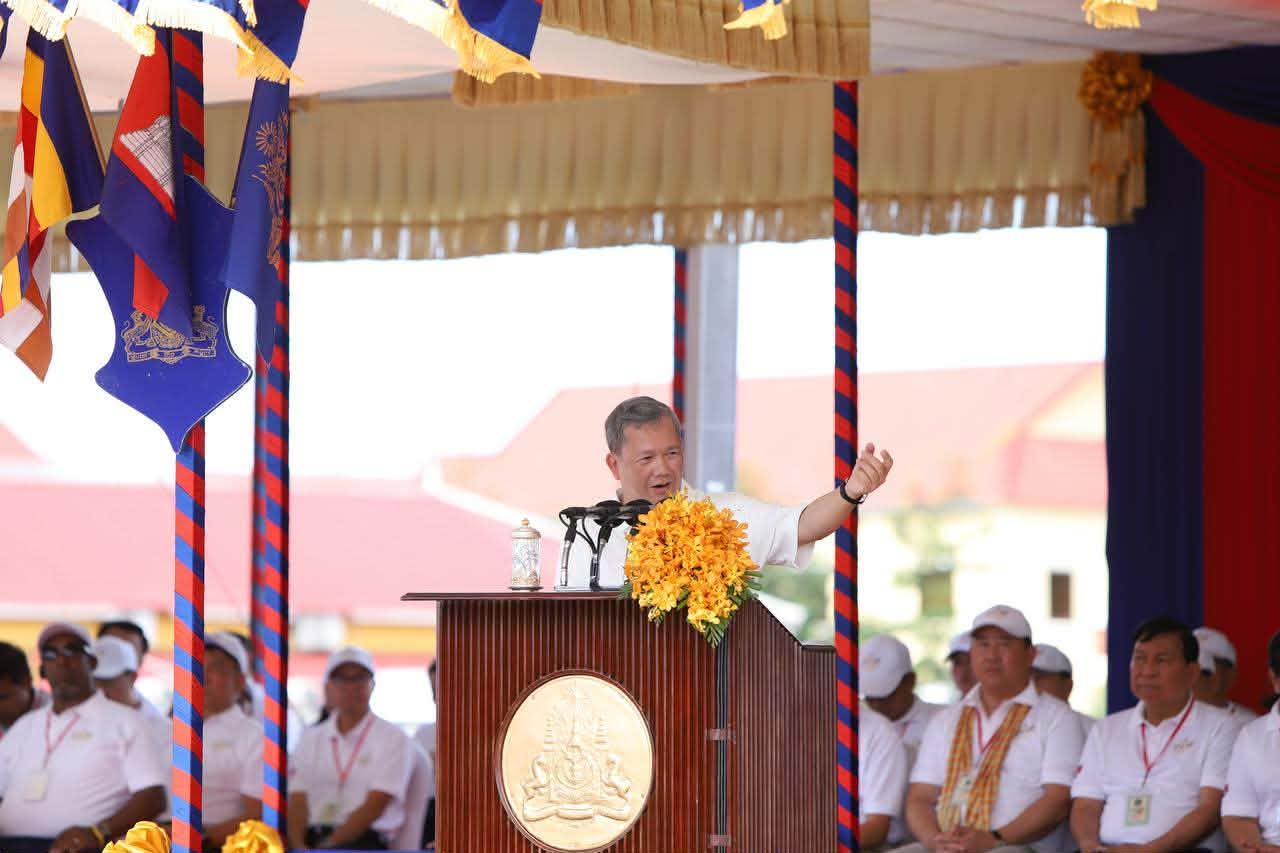
PM Hun Manet Expresses Concern Over Illegal River Fishing, Calls for Resource Protection
Cambodian Prime Minister Hun Manet expressed concern over illegal dragnet fishing in rivers, warning it could deplete fish stocks in the future. Speaking at the "Fisheries Day" ceremony in Svay Rieng province, he urged authorities and citizens to cooperate in protecting aquatic resources.
This article requires PRO
This article is outside the free access window or is a special report. PRO unlocks it and the full archive.
Related articles
- Cambodia Showcases Local Products at Green Season Coastal Tourism Event
Cambodian Minister of Tourism, Hout Hak, visited a local product exhibition during the closing ceremony of the 2026 Green Season Coastal Area Tourism Event in Kampot province. The event aimed to promote the region's culinary potential and coastal beauty, boosting local economic activity.
- UN Voices Concern Over Shrinking Civic Space and Freedoms in Cambodia
At the UN Human Rights Council, CIVICUS and the UN Special Rapporteur expressed concerns over shrinking freedoms and alleged repression of opponents in Cambodia. The Cambodian government countered that freedom of expression is constitutionally guaranteed.
- Takéo Governor Distributes Humanitarian Aid to 12 Flood-Affected Families
In Takéo Province, Governor Vey Samnang led the distribution of humanitarian aid, including rice, canned fish, and instant noodles, to 12 impoverished families affected by recent floods. The initiative, following directives from Bun Rany Hun Sen, aims to support the recovery of those impacted.
- Cambodia's Youth Project Fosters Patriotism and Social Contribution
Cambodia held the final selection for the 'Cambodia in My Heart' project, where youth are developing not only knowledge but also teamwork and problem-solving skills. Launched in 2024, the project aims to instill patriotism and a spirit of social contribution in young people.