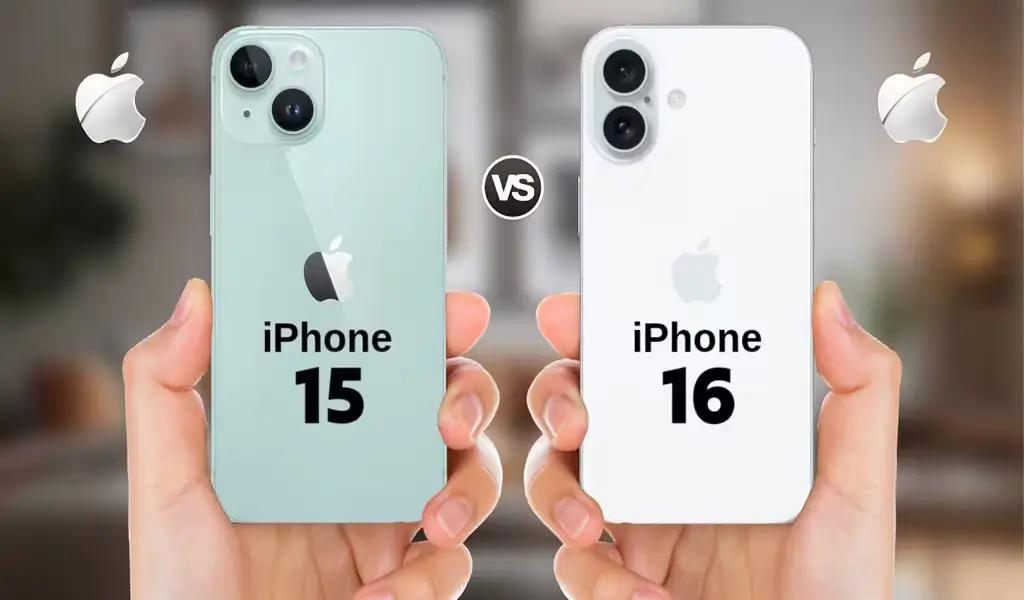
Thailand's iPhone Dilemma: 15 vs. 16 in 2026 - AI Features Drive Purchase Decisions
Technology
2026年7月29日
5
Chiang Rai Times

General articles are free for 24 hours after publish.

Thailand's iPhone Dilemma: 15 vs. 16 in 2026 - AI Features Drive Purchase Decisions

Share
AI Summary

In Thailand's 2026 market, a ~10,000 Baht price gap exists between the iPhone 15 and 16, with AI features becoming the key differentiator for buyers. The 'Apple Intelligence' compatibility is pushing consumers towards the iPhone 16 for long-term use and cutting-edge technology.

Home - Tech - iPhone 15 vs iPhone 16 in 2026: Which Apple Phone Actually Deserves Your Money? iPhone 15 vs iPhone 16: Shopping for a new iPhone in 2026 usually comes down to one tricky question. Should you save some cash and buy the iPhone 15, or spend more for the newer iPhone 16? Both phones still look sharp, feel premium, and handle daily tasks with ease. But the gap between them has grown wider than many buyers realise, especially now that Apple Intelligence is reshaping how people use their phones. This guide breaks down every major difference between the two models. We compare performance, cameras, battery life, software support, and price, based on details reported by CTN. By the end, you should know exactly which iPhone fits your budget and your habits. You might assume a 2023 phone would feel outdated by now. That is not really true here. Apple builds its hardware to last several years, and the iPhone 15 still performs like a modern flagship in 2026. What has changed is software. Apple Intelligence, the company’s suite of AI-powered features, only runs on the iPhone 16 and later models. That single fact has become the biggest reason buyers are rethinking their choice this year. If artificial intelligence features do not matter to you, the calculation looks very different. Many shoppers simply want a reliable phone with a great camera and long battery life, and both devices deliver that comfortably. Before diving into details, here is a snapshot of how these two phones stack up against each other. As the table shows, the two phones share a similar foundation. However, the iPhone 16 pulls ahead in almost every category that touches software, photography, and future-readiness. Chip speed rarely feels dramatic in everyday use, since both processors handle browsing, messaging, and streaming without any lag. Still, the difference becomes obvious the moment you look beyond basic tasks. The iPhone 15 runs on Apple’s A16 Bionic chip, first introduced back in 2022. It remains a capable processor, but it was never designed with on-device AI processing in mind. The iPhone 16, on the other hand, uses the newer A18 chip alongside an upgraded 16-core Neural Engine. This combination is what unlocks Apple Intelligence, giving the iPhone 16 far more headroom for demanding apps and future software updates. This is where the comparison gets serious. The iPhone 15 ships with iOS 18 and standard Siri, and it simply cannot run Apple Intelligence tools no matter how many updates arrive. The iPhone 16 comes with iOS 26 and an AI-powered Siri that understands context far better than before. According to details compiled by India CSR, this makes the iPhone 16 the clear choice for anyone who wants long-term software relevance. If you plan to keep your phone for four or five years, that gap matters more than it seems today. Newer AI features will likely expand each year, and only A18-and-later chips will support them. Both phones use a 48-megapixel main camera paired with a 12-megapixel Ultra Wide lens. On paper, that sounds nearly identical. In practice, the iPhone 16 offers noticeably more creative flexibility. The standout addition is Camera Control, a dedicated button that lets you launch the camera, adjust settings, and snap photos faster than tapping through the screen. The iPhone 15 has no equivalent feature at all. Content creators will likely appreciate these additions the most. Here is what the iPhone 16 brings that the iPhone 15 does not offer: These upgrades will matter most to people who film video regularly or share content on social platforms. Casual photographers taking family pictures may not notice much difference at all. Battery performance stays reliable across both models, though the iPhone 16 edges ahead in a few areas. Video playback stretches to 22 hours on the iPhone 16, compared with 20 hours on the iPhone 15. Audio playback remains identical at up to 80 hours on both phones. Wired fast charging also performs the same, reaching roughly 50 percent battery in about 30 minutes on either device. The real difference shows up with wireless charging. The iPhone 16 supports MagSafe charging up to 25W, nearly double the iPhone 15’s 15W cap. That means noticeably faster top-ups when using a compatible MagSafe charger. Connectivity also improves. The iPhone 16 includes Wi-Fi 7 support, while the iPhone 15 is limited to Wi-Fi 6. For most home networks, this difference is minor today, but it will matter more as routers upgrade over the next few years. Both phones share Apple’s familiar aluminum-and-glass design with a vibrant Super Retina XDR display. Side by side, most people would struggle to tell them apart at a glance. One physical change stands out immediately, though. The iPhone 15 uses a traditional Ring/Silent switch, while the iPhone 16 replaces it with a customizable Action button. This lets you assign shortcuts like launching the camera or toggling flashlight mode with a single press. Small details like this rarely make headlines, but they shape how the phone feels in daily use. If you already own an iPhone 15 Pro, the Action button will feel familiar since Apple brought that feature down to the standard lineup with the 16 series. For many buyers, price is the deciding factor above everything else. And here, the iPhone 15 holds a clear advantage. According to figures reported by India CSR, the 128GB iPhone 15 starts at Rs. 59,990, while the equivalent iPhone 16 begins at Rs. 69,900. That is a gap of roughly Rs. 10,000 right out of the gate. The price difference stays fairly consistent across every storage tier. Take a look at the comparison below. Financing options can also ease the upfront cost. Buyers using EMI plans through retail partners can split payments over several months, with the iPhone 15’s 128GB model starting around Rs. 4,992 per month and the iPhone 16 starting near Rs. 5,825 per month. That consistent Rs. 10,000 gap means your decision really comes down to whether Apple Intelligence and the camera upgrades feel worth the extra spend. The iPhone 15 remains a smart purchase for a large group of buyers heading into the rest of 2026. It suits people who want a genuinely premium phone without paying flagship-level prices. Consider the iPhone 15 if you: For everyday use, the iPhone 15 still holds up impressively well. Its camera captures excellent photos, its battery lasts a full day, and its A16 Bionic chip handles most apps without hesitation. The iPhone 16 makes more sense for buyers who plan to keep their phone for years and want it to age well. Its biggest selling point remains Apple Intelligence, a feature set that will likely keep expanding with future updates. Consider the iPhone 16 if you: Buyers who lean heavily on their phone for content creation, productivity, or hands-free AI assistance will likely find the iPhone 16 worth its higher price tag. There is no single right answer here, since the best choice de

0

Original source

Chiang Rai Times

原文を読む