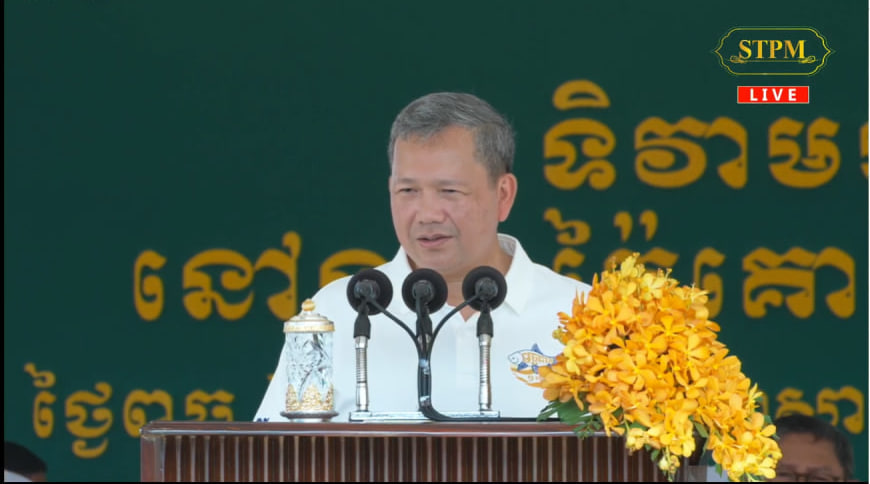
Cambodian PM Declares National Fish as Nation's 'Protein Production Machine'
Cambodian Prime Minister Hun Manet has emphasized the vital role of national fish resources as a key source of protein for the nation, stressing the importance of sustainable management and conservation. Speaking at the annual National Fish Day commemoration, the Prime Minister likened the agricultural sector to the nation's 'stomach' and highlighted that protecting aquatic resources is crucial for food security and livelihoods.
Prime Minister Hun Manet of Cambodia has declared national fish resources as the nation's "protein production machine," likening the agricultural sector to the country's "stomach" during the 21st National Fish Day commemoration held in Svay Rieng province. The Prime Minister emphasized that national fish are an inexhaustible source of protein, widely enjoyed by all segments of the population as a community food, and rich in micronutrients. He stated that the observance of National Fish Day aims to disseminate and inspire all relevant stakeholders, especially fishermen and citizens, to participate in the protection and conservation of aquatic resources to ensure sustainable management, conservation, and utilization for the people. Furthermore, the Prime Minister highlighted that the designation of a fishing ban period is intended to prevent all types and forms of fishing, allowing fish time to spawn, reproduce, and grow during the flood season, thereby securing a primary food source for the people and a crucial daily income for fishermen. Since 2003, National Fish Day on July 1st has been organized annually with the objective of disseminating and inspiring citizens across the country to participate in the sustainable conservation and development of aquatic resources, aiming to increase national fish stocks, meet daily basic food needs, ensure food security, and support the livelihoods of the people. During this year's commemoration in Svay Rieng province, approximately 1.5 million aquatic animals of over 20 species, including broodstock, fry, and other aquatic creatures, were released into the natural waters of the Vei Ko River.
多角的分析
水産資源の保護と持続可能な利用は、カンボジア経済において重要な役割を担っています。特に、沿岸部や河川沿いの地域経済は漁業に大きく依存しており、国民の食料安全保障にも直結します。首相の発言は、水産資源を単なる食料源としてだけでなく、経済的価値を持つ「生産機械」と捉え、その効率的な活用と保全を通じて経済成長を目指す姿勢を示唆しています。これは、近年のカンボジアが推進する農業・水産業の近代化・高付加価値化戦略とも整合しており、輸出競争力の強化や国内消費の安定化に寄与する可能性があります。
水産資源の持続可能な管理は、長期的な投資環境において重要な要素です。首相の発言は、政府が水産資源の保全に力を入れ、長期的な生産能力の維持を目指していることを示唆しています。これにより、関連産業、例えば水産加工業や養殖業への投資リスクが低減される可能性があります。しかし、具体的な投資インセンティブや規制緩和策が伴うかどうかが、国内外からの投資をさらに引きつける鍵となるでしょう。特に、持続可能な漁業認証制度の導入などは、国際市場での競争力向上に繋がる可能性があります。
首相による水産資源の「タンパク質製造機」という表現は、国民の食生活と健康への配慮を示しています。水産物はカンボジアの伝統的な食文化に深く根ざしており、多くの国民にとって安価で栄養価の高いタンパク質源です。禁漁期間の設定や資源保護の呼びかけは、漁師の生計に短期的な影響を与える可能性がありますが、長期的には漁獲量の安定化と漁業コミュニティの持続可能性を高めることを目的としています。この取り組みが、地域社会の食料アクセスと経済的安定にどのように貢献するかが注目されます。
水産資源を「国民のタンパク質製造機」と位置づける首相の発言は、多くのカンボジア市民、特に沿岸部や河川沿いに住む人々にとって、食料としての魚の重要性を再認識させるものとなるでしょう。しかし、禁漁期間の設定は、一部の漁師にとって一時的な収入減につながる懸念もあります。政府が、資源保護と並行して、漁師への代替収入支援や、より効率的で持続可能な漁業技術の普及にどのように取り組むかが、市民生活への影響を左右する重要な点となります。また、放流された稚魚が実際に成長し、将来の食卓に並ぶまでの道のりも、市民の関心事となるでしょう。
背景・歴史的文脈
カンボジアでは、メコン川水系やトンレサップ湖、そして沿岸部を中心に豊かな水産資源があり、古くから国民の主要な食料源および収入源となってきました。1970年代後半のクメール・ルージュ政権下での食料生産の壊滅的な打撃を経て、食料安全保障はカンボジアにとって常に重要な課題です。1990年代以降、持続可能な漁業管理の必要性が認識され始め、国際機関やNGOの支援も受けながら、禁漁期間の設定や違法漁業の取り締まりなどの取り組みが進められてきました。2003年から毎年開催されている「国家水産の日」は、国民の意識向上と資源保護への参加を促すための象徴的なイベントとなっています。フン・マネット首相による今回の発言は、こうした歴史的背景を踏まえ、水産資源の戦略的価値を改めて強調し、その保護と持続可能な活用への決意を示すものと言えます。
原文ソース
Kampuchea Thmey Local