Hanoi: 28 Dog and Cat Meat Slaughterhouses and Businesses Cease Operations, Transitioning
Business
2026年7月24日
5
Nhan Dan

General articles are free for 24 hours after publish.

Hanoi: 28 Dog and Cat Meat Slaughterhouses and Businesses Cease Operations, Transitioning

Share
AI Summary

In Hanoi, 28 establishments involved in the slaughter and sale of dog and cat meat have ceased operations, with 25 others applying to convert their business models. This initiative is part of a project aimed at rabies prevention and sustainable livelihood development, facilitating residents' transition to stable occupations through vocational training and support.

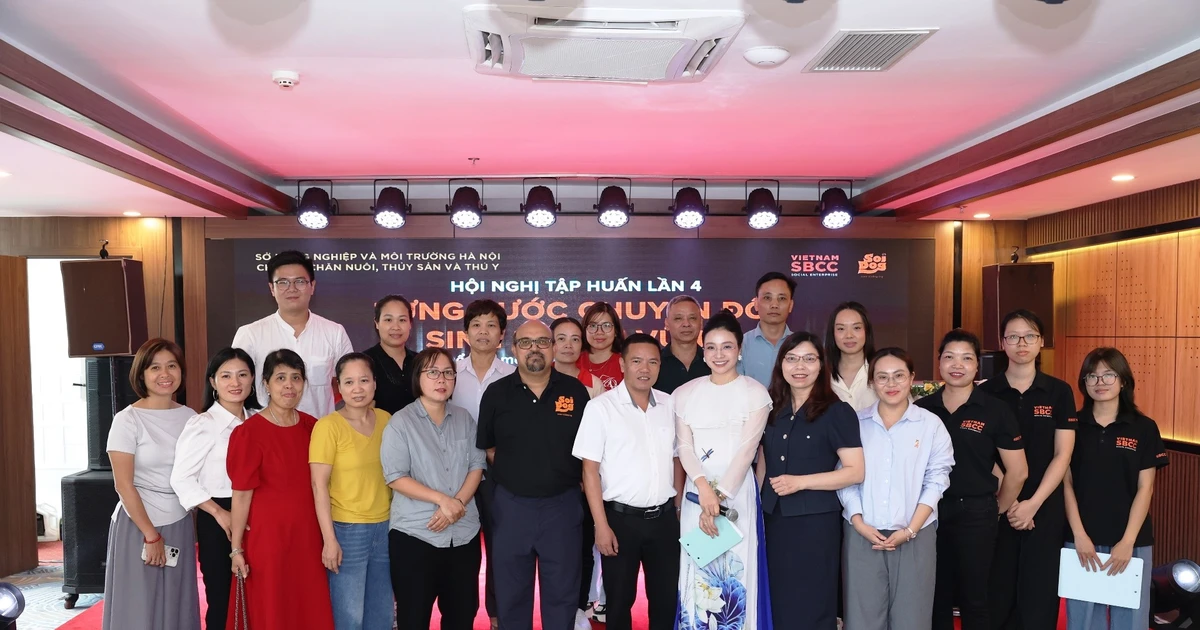
Hanoi is making progress in its initiative to gradually phase out dog and cat meat slaughterhouses and businesses, encouraging them to transition to new models. As of July, 28 establishments have ceased operations, and 25 have applied to convert their business models, according to recent findings. This effort is spearheaded by the Department of Livestock, Fisheries, and Veterinary Affairs of Hanoi's Department of Agriculture and Rural Development, in collaboration with the Soi Dog Foundation and SBCC Vietnam (Social Enterprise for Behavior Change Communication and Sustainable Development). A series of workshops focused on "Sustainable Livelihood Transition" have been organized for operators in 14 pilot districts, marking the fourth such session. The workshops highlight practical vocational training programs in areas like food processing and beverage preparation, aiming to create diverse employment opportunities aligned with market demands. This empowers business owners with a broader range of choices for career change. Notably, Giảng Võ ward has become the first in the project's pilot areas to record zero active dog and cat meat businesses, based on local reviews. This achievement is attributed to a comprehensive approach combining enhanced public awareness campaigns, livelihood transition support, improved state management of veterinary services, food safety, and food traceability, alongside rabies prevention efforts and community consensus. Prior to the project's implementation, Cửa Nam ward was also surveyed as having no such businesses. However, Giảng Võ's success in achieving this status after project intervention demonstrates the initial effectiveness of a model integrating state management, behavior change communication, and livelihood support. Mr. Nguyễn Đình Đảng, Director of the Department of Livestock, Fisheries, and Veterinary Affairs, emphasized, "The initial results of the project show that the combination of strengthening state management and supporting livelihood transitions is the right direction, contributing to changing perceptions and creating conditions for people to transition to stable and sustainable occupations." He further stated that the department will continue to collaborate with localities, organizations, and businesses to expand support activities, enhancing rabies prevention, ensuring food safety, controlling animal diseases, and promoting sustainable and civilized livestock development. Representatives from the Soi Dog Foundation and SBCC Vietnam lauded the project's initial outcomes and affirmed their continued partnership with city agencies in vocational training, startup support, market connection, and accompanying residents through their livelihood transitions. Beyond Giảng Võ ward, other areas like Từ Liêm and Tây Mỗ, which previously had a significant number of dog and cat meat businesses, have also seen positive transformations, with many establishments ceasing operations or gradually shifting their business models. The gradual reduction in dog and cat meat slaughter and trade not only facilitates sustainable livelihood transitions for residents but also contributes to more effective state management of veterinary services and food safety, enhanced rabies prevention, improved food traceability, reduced risks of zoonotic disease transmission, and the development of a civilized urban environment. Source: Nhan Dan

0

Original source

Nhan Dan

原文を読む